
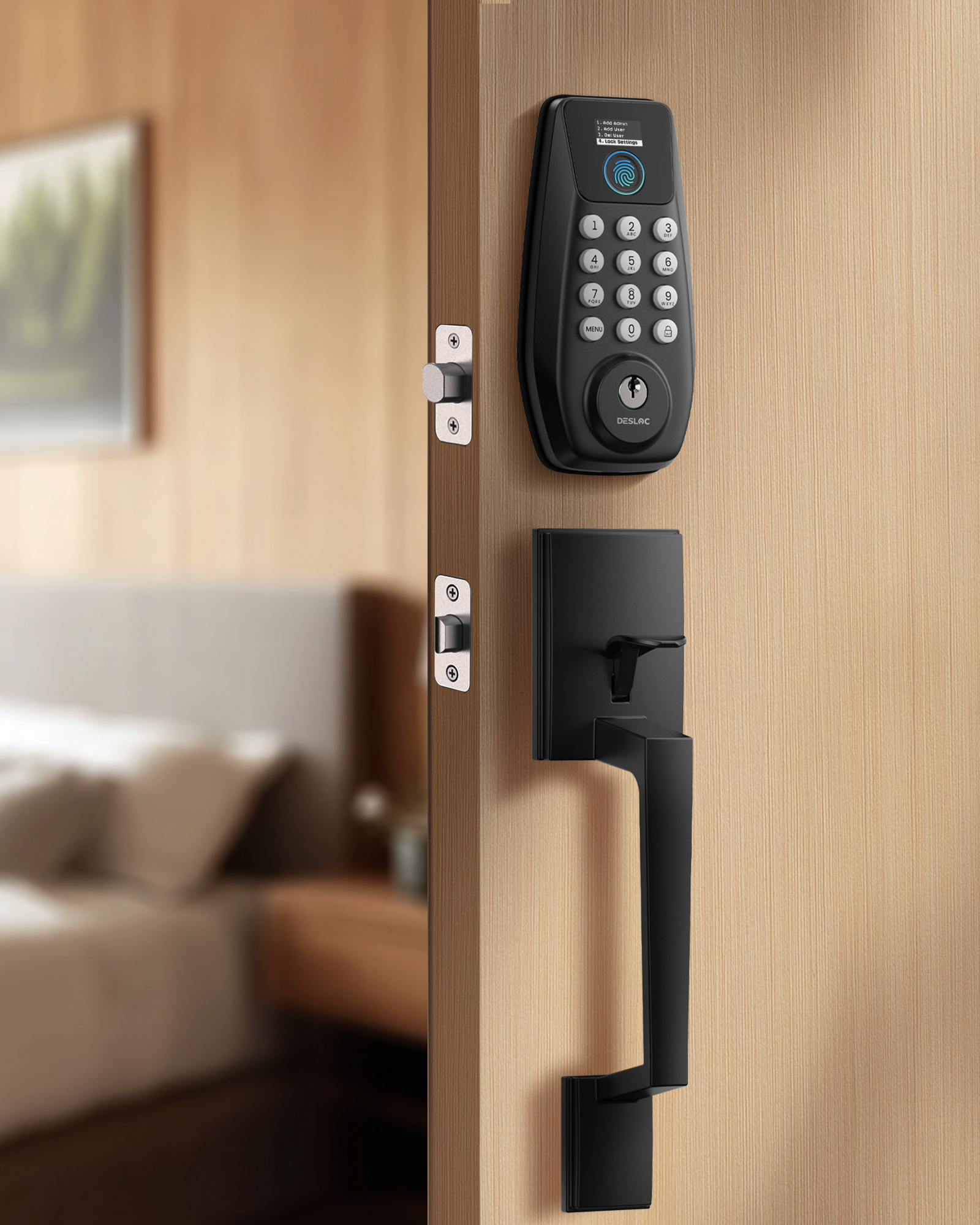
A Boston Morning, a Frozen Key, and a Better Plan
Ever watched your neighbor jiggle a key in a frozen lock at 6 a.m., coffee in one hand, breath fogging like a steam train? The best smart locks for home promise to make mornings like that a memory. In Boston, where winter laughs at metal, the numbers tell a sharper story: most home entries happen at the front door, and too many of those rely on keys that fail when life gets messy. So here’s the question that counts: what turns a lock into peace of mind?

I’ve lived the scramble—door jammed, meeting in ten, kid’s backpack missing (classic). A smart lock can help, but not all of them. Some drain batteries fast. Some lag when the app hangs. Some skip basic failsafes. And yes, your Wi‑Fi going out should not lock you out. The trick is knowing what matters, and what’s fluff. We’re not here to chase buzzwords. We’re here to match the house, the habits, and the hardware. Let’s break it down—clean, simple, and wicked practical—so you pick a system that works when it’s sleeting sideways. On to the real issues behind the click.
The Quiet Friction Behind Every Click
What actually goes wrong?
A modern secure door lock should solve more pain than it adds. Yet small frictions pile up. Battery life dips in cold weather. Bluetooth handshakes stall at the worst time. The app updates, and suddenly the keypad lags. Traditional locks fail loud, but smart locks fail quiet—through latency, dead cells, or confusing alerts. Look, it’s simpler than you think: the weakest links are power, signal, and the human routine. If you share access with family or a dog walker, you need clean permission control and a clear log. If you rent, you need durable hardware that shrugs off wear. And if you live in a triple-decker with thick doors, you need a motor that doesn’t grind under load.
Under the hood, the details matter. AES-256 encryption protects codes, but sloppy setup can still expose you. Z‑Wave radios tend to sip battery, while constant Wi‑Fi polling burns it. OTA firmware is great, unless it breaks offline fallback. A biometric sensor is fast, unless gloves or rain mess with it—funny how that works, right? Even the TLS handshake between app and cloud can add delay if your network toggles. The point: a secure door lock earns trust by handling edge cases, not by stacking features. And yes, a good design still lets you use a key when power converters or batteries fail. Your routine is the real test—morning rush, late-night return, and the one time your phone dies on the T.
What’s Next: Principles That Make Smart Locks Actually Smart
Let’s look forward, not just around. The new wave of systems uses local-first logic, so the motor works even when the internet flakes. Think of it like tiny edge computing nodes inside your door: decisions made on-device, cloud used for history and backups. That reduces latency and keeps the lock responsive. Add smarter power profiles that learn your patterns and stretch battery life in the cold. Geofencing that doesn’t open too soon. Access codes that expire on schedule, not five minutes late. The goal is balance—privacy, speed, and control—without making you a part-time sysadmin. The best smart home lock will pair strong encryption with blunt reliability, and it won’t panic when your router takes a nap.

Here’s the comparative lens. Versus old-school metal, you gain audit trails and remote checks. Versus first-gen smart locks, you gain stable motors, better seals, and saner apps. The future adds adaptive power converters that preserve torque in cold snaps, plus clearer logs that normal people can read. Batteries last longer because radios wake less. Alerts get smarter—short, clear, and timely. And the install? It fits real doors, not just brochure doors. So, where does that leave you? With a few yardsticks that cut through the hype. Advisory close: use these three metrics when you choose. One: uptime and offline mode—does it work when the net and phone don’t? Two: security posture—AES-256 at rest, strong TLS in transit, and clean access roles. Three: endurance—battery life under winter load, tested cycles, and quiet torque. Do that, and your door stops being drama. Do that, and home feels like home—every day, every season. Learn more at DESLOC.