
An installer’s snapshot, hard numbers, and one sharp question
I will start plainly: storage pays when it is sized and steered with care. Residential energy storage systems sit at the centre of that claim. In my 17 years advising and retailing distributed energy gear across Austria (Grüß Gott from Vienna), I have watched families buy more capacity than they use, and others run a fine setup that hums for years. In 2023, Time-of-Use evening rates in parts of Upper Austria peaked near €0.31/kWh at 18:00–20:00, while midday dropped toward €0.12/kWh—an ideal spread for a residential battery energy storage system. So, the question is simple and polite: which approach actually wins in a typical home, not just on a brochure?

When I walked a two-storey house in Linz last winter, the owner showed me his smart meter log with pride—and a raised eyebrow. The data said his 5 kW hybrid inverter and 13.5 kWh LFP pack cut peak imports by 32% over 60 days. But it also showed shallow cycling on cloudy weeks, wasting spread. That is the tension I keep meeting. We want reliability and return, and we want them to coexist without fuss. I will compare the paths that get us there, and the ones that drift off-course.
The quiet frictions in traditional home storage
Where do common setups fall short?
Let me be technical for a moment. Many first-wave systems rely on fixed charge windows and blunt rules. The inverter and power converters follow a simple schedule, not live prices or weather now-casting. SoC drifts high by noon, PV curtailment kicks in, and round-trip efficiency takes a needless hit. I saw this on a Salzburg roof in April 2024: 9.9 kWp PV, a tidy cabinet, and a battery that idled full from 13:00 while spot rates were still low. Trust me, this bit is far less scary than it sounds—once you see the pattern, you cannot unsee it.
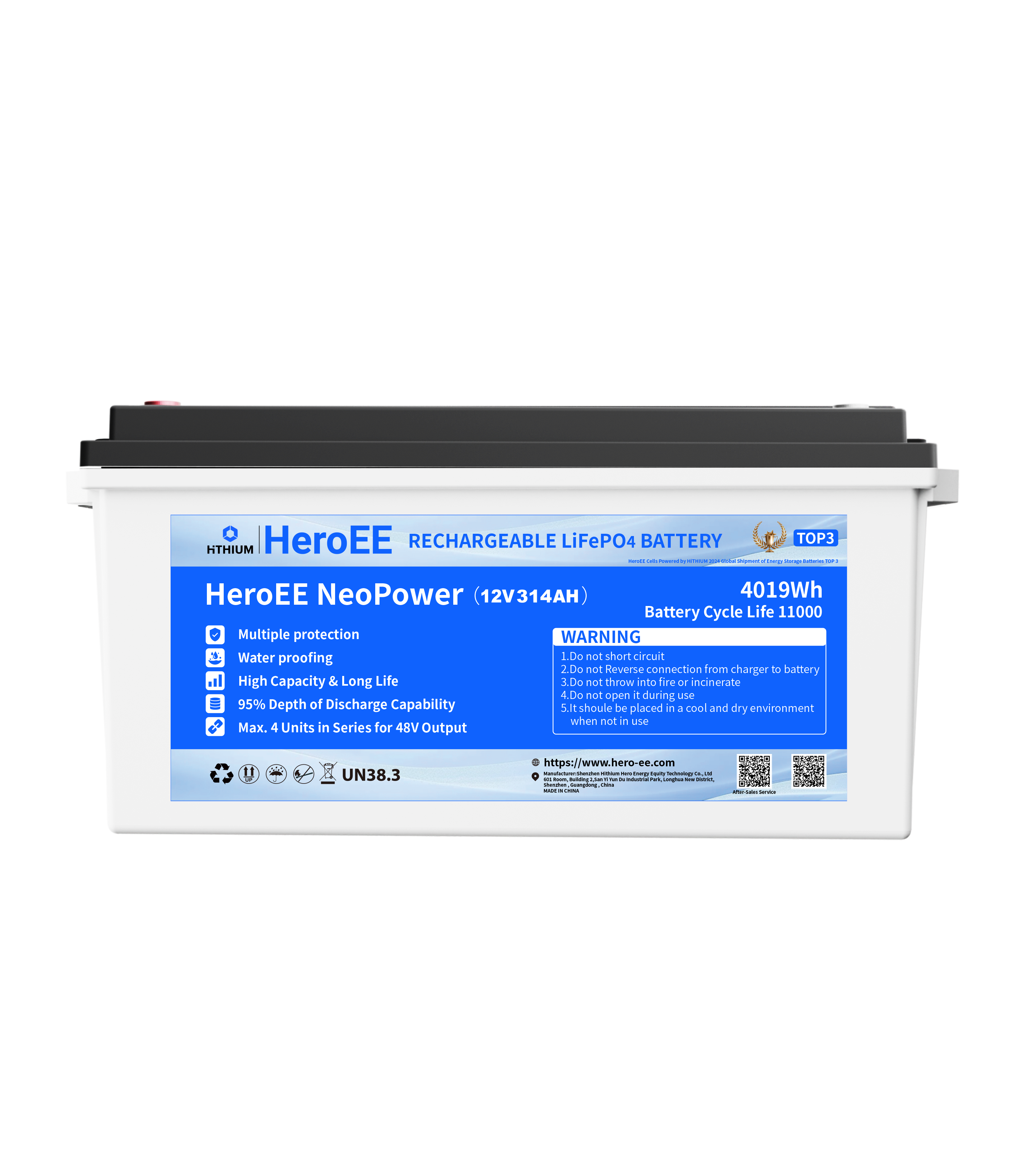
Hidden pain points pile up. Firmware throttles charge at 0–5 °C to protect cells, yet owners still expect full backup; the BMS behaves sensibly, the household calendar does not. Islanding tests get skipped, so backup works on paper, not in a storm. And demand peaks slip through because cooking, EV top-ups, and a heat pump align at 19:10. On that Linz job, a 4-minute spike at 6.9 kW erased a week of careful peak shaving. I was frustrated because the fix—staggering loads by 10 minutes—cost nothing. I prefer solutions that reduce these frictions, not mask them with more capacity.
Comparing what’s emerging with what you have
What’s Next
Now to the forward view, and I will be semi-formal. New control stacks do not only switch; they forecast. They ingest day-ahead tariffs, a local weather feed, and the home’s own profile, then shape charge/discharge accordingly. Instead of “full by noon,” they target an SoC band that hits the evening spike with reserve to spare—no drama, fewer losses. In two Vienna retrofits this spring, we replaced rigid timers with a price-aware algorithm and limited the inverter to 3.6 kW during likely clustering of loads. The result across 90 days: about 18–22% higher self-consumption and visibly calmer mains current—yes, on the same hardware. A residential battery energy storage system gains most when brains outrun brawn.
There is a clearer comparison I share with clients. Old way: static rules, “set-and-forget,” and oversizing to hide control gaps. New way: lean packs, tighter BMS-inverter handshakes, and soft limits on clashing loads. One Salzburg townhouse shifted 3.4 kWh/day from grid to store by letting the dishwasher delay to 21:00 and pre-heating the buffer tank at 16:30—small acts, steady payback. I still keep that smart meter screenshot—because it reminds me that discipline beats guesswork. If you want a tidy rule-of-thumb from me, consider three evaluation checks before you buy or refit: 1) measurable round-trip efficiency under your winter profile, not a lab sheet; 2) control capability for tariffs, PV forecast, and load staggering; 3) clear backup behaviour, tested quarterly, with an islanding drill that you actually run. With those in place, cost curves behave, and comfort does not suffer—quite the opposite. For further reading, see the engineering notes from HiTHIUM.