
Introduction: A Simple Claim with Big Stakes
I’ll say it plainly: light shapes how cows behave, and that affects milk. In a small Dutch barn I visited last winter, the shift from dim, old bulbs to purpose-made cow lighting meant an immediate uptick in activity and calmer evenings — the data showed about a 6–8% rise in yield over three months. Cow lighting is not a luxury; it’s an operational variable we can measure and manage (and yes, sometimes the simplest changes matter most). So what exactly should we watch for when we retrofit a barn, or choose a new system for a herd of 100 or more — and how do those choices translate to real on-farm gains? This piece will walk through what I’ve learned, the technical traps to avoid, and the practical metrics that matter next.
Why Traditional Solutions Let Farmers Down
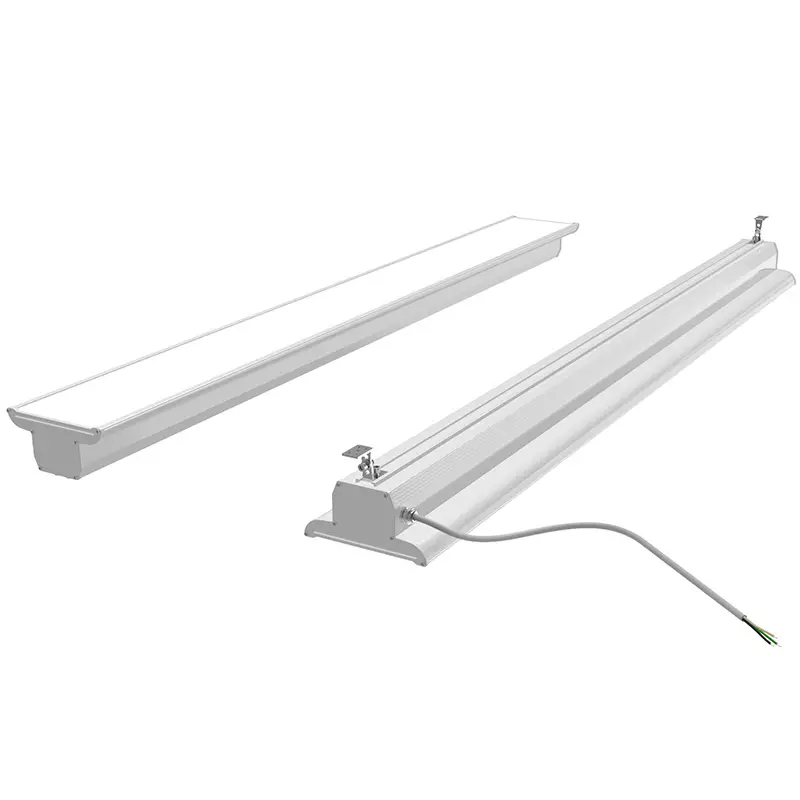
led lighting for dairy cows promises a lot. In practice, common installations still suffer from three recurring flaws: poor spectral control, mismatched lux levels, and unreliable power electronics. I’ve seen farms where LED fixtures were chosen for price alone, only to produce a harsh blue spike that upset circadian rhythm and increased agitation. That’s not theoretical — it’s measurable. When spectral composition skews too far toward short wavelengths, the animals show restless behavior during periods that should be calm. Drivers and power converters that aren’t spec’d for agricultural environments fail sooner. Look, it’s simpler than you think: light should be tuned to support photoperiod and comfort, not just save watts.
How do these flaws show up on the farm?
First, inconsistent lux across the barn creates hotspots. Cows clustered in brighter zones may feed more, but the rest of the herd lags. Second, poor thermal design in fixtures can lead to early driver failure — and that means flicker or dimming when you least expect it. Third, control systems that ignore the herd’s rhythm (or can’t be scheduled reliably) erase the benefits of spectral tuning and photoperiod management. We’ve tried systems that promised remote scheduling via edge computing nodes, but without rugged drivers, the remote control was useless. In short: mismatched components, poor spectral design, and flimsy controls are the usual culprits. — funny how that works, right?
Principles and The Path Forward: Technologies That Actually Help
Now let’s talk about what I’d choose next. The better systems start with three principles. One: spectral balance — design to a target curve that supports bovine photoreceptors and maintains healthy circadian rhythm. Two: consistent lux and even distribution — avoid hotspots with proper optics. Three: robust electronics — sealed drivers and quality power converters that tolerate farm dust and voltage swings. When these elements align, you get stable behavior, predictable feed intake, and less stress. I’ve been involved with pilots where targeted spectral adjustments reduced night-time agitation and smoothed daily milking yields.

What’s Next — new tech in action?
Manufacturers are building LED fixtures specifically for herds, with tuning for PAR values suitable for cattle and built-in control protocols that tie into farm management systems. Some units include edge computing nodes for local scheduling and analytics so you can log lux and spectral shifts without sending everything to the cloud. There’s progress, though not every product lives up to the spec sheet. I’m cautiously optimistic — and yes, I admit I was surprised by how quickly a proper retrofit can change daily patterns (— and yes, that caught me off guard).
When picking a system, here are the three evaluation metrics I recommend you use to compare options: 1) spectral fidelity (does the fixture match a vetted target curve for dairy cattle?), 2) delivered lux uniformity across the pen (not just peak lux at the installation point), and 3) durability of drivers and power converters under agricultural conditions. Measure these, and you’ll separate marketing from meaningful performance. For practical sourcing and tested products, I’ve found reliable partners who understand both the barn and the tech — see szAMB for a starting point.