
Introduction: A Shop Floor Dilemma, Some Numbers, and One Question
Have you ever been on the shop floor watching a part come off the table and felt a knot of worry about lead time, cost, and quality? Many of us have. In conversations with teams who work with DMG Mori, Mazak, Haas, Okuma, and Hurco, I hear the same themes: throughput pressure, tight tolerances, and mixed investment choices (small shops and large plants both wrestle with this). Industry surveys suggest over 60% of shops struggle to balance cycle time and accuracy on complex parts — so what do we actually prioritize when choosing a 5‑axis path forward?
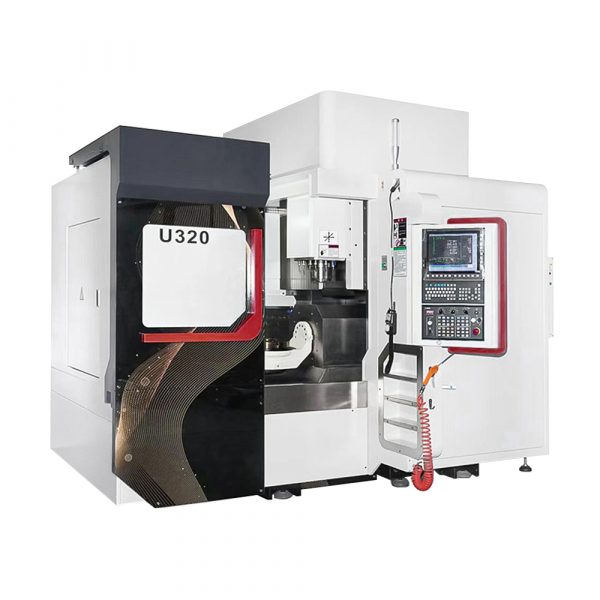
I’m writing from that HR-like place where I listen to operators, managers, and engineers and try to translate their needs into practical advice. I want to be direct but fair: decisions about machining centers affect careers and cash flow. This piece compares hard lessons across manufacturers and tries to help you choose wisely — next, we’ll dig into a less obvious pain point that I keep seeing.
Part 2 — Hidden Pain Points: Why Multi‑Tasking Machines Break the Flow
When shops add a multi spindle cnc machine to speed up throughput, they expect miracles. In reality, integration often creates friction: fixturing complexity, synchronized tool changes, and the need for precise axis interpolation become daily headaches. I’ve watched setups where spindle torque mismatches and poor toolpath handoffs doubled setup time. This isn’t about blaming suppliers — it’s about recognizing that the machine is only as good as the cell around it.
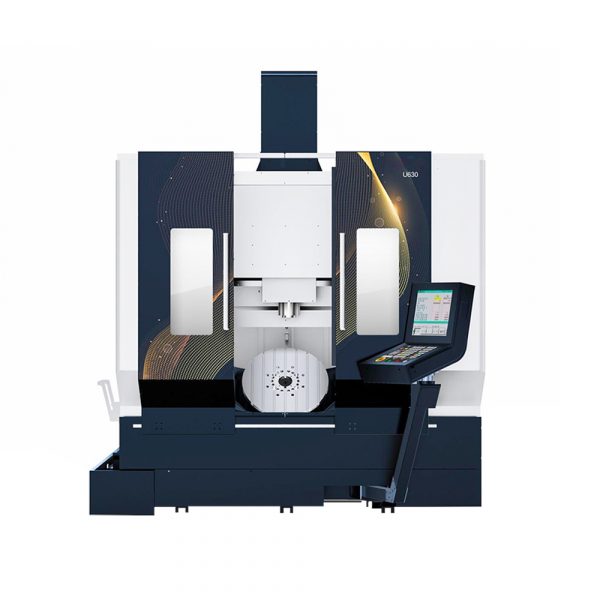
Technically speaking, a multi‑spindle cell introduces constraints on tool access and increases thermal load on spindle bearings. Servo drives must be tuned carefully; otherwise, chatter and tolerance drift show up later in the shift. Operators then spend time diagnosing problems instead of cutting metal — and that invisible labor adds cost. Look, it’s simpler than you think: even with high automation, human oversight remains the bottleneck if systems aren’t aligned.
Why does this keep happening?
In my experience, three root causes repeat: incomplete CAM toolpath validation before live runs, mismatched spindle specifications across stations, and undertrained staff on advanced setup routines. Those sound solvable, and they are, but only if leadership accepts incremental change and invests in training and standardized procedures. We fix machines; we forget to fix workflows. — funny how that works, right?
Part 3 — Looking Ahead: Case Example and Comparative Outlook
I want to shift gears and talk about where things improve quickly. A mid‑sized job shop I worked with swapped a legacy cell for a modern high speed machining center and rethought the cell layout. They treated the change as a systems upgrade: new fixtures, updated CAM templates, and a brief but intense training week. The result: cycle time dropped noticeably and scrap rates fell. It was not magic — it was coordinated work and better feedback loops between operators and engineers.
Comparatively, shops that buy machines and expect instant gains tend to underperform. The lesson is clear — technology helps, process wins. If you want to forecast ROI, model the whole cell: tool change times, coolant strategy, thermal growth, and human steps. Those factors predict real gains more reliably than advertised spindle speeds.
What’s Next for 5‑Axis Buyers?
Here are three practical evaluation metrics I now recommend when comparing options: 1) Effective cycle time under realistic fixturing (not vendor demo runs), 2) ease and speed of setup changeovers, and 3) available support for CAM post‑processing and tuning. I mean it — these three will separate good purchases from costly experiments. Also consider service networks and spare parts lead times; they matter more than glossy brochures.
In closing, I believe the right path mixes careful benchmarking, honest training, and vendor collaboration. Measure what matters, invest in people, and expect incremental wins. If you want to explore specific models or case studies, check out Leichman for options and real data. — I’ve seen this work, and I want you to see it work too.