
Introduction: Scenario, Data, Question
Have you ever stood beside a production line and felt time slipping through the gaps like spilled powder? I have, and that feeling is exactly what drives this study. In one mid-size plant I visited, a single faulty lid applicator machine stopped three packing lanes for nearly two hours, and the supervisor reported a 12% drop in throughput that day. The lid applicator machine sat at the center of the problem — sensors, conveyor timing, and operator response all tangled together. (We noted PLC alarms, repeated misfeeds, and a tired servo motor.) Given such clear data, I ask: where do the real failure points lie, and what do they tell us about our choices going forward? This brief will move from that scene into deeper technical faults and user pain, then look ahead to practical fixes and evaluation metrics. Now let us examine the core flaws uncovered on the shop floor.
Deeper Layer: Flaws in Traditional Solutions and Hidden Pain Points
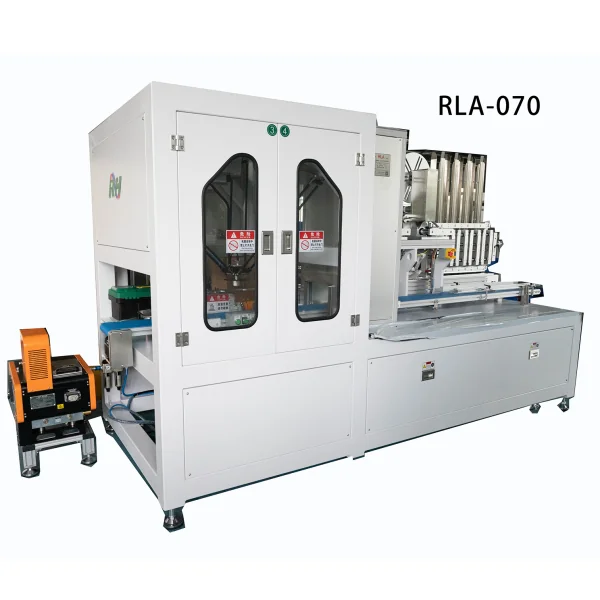
I start with the marketplace: the automatic lid applicator machine market shows many models, yet I still see the same recurring failures. Technically, many older machines rely on basic timing cams and fixed pneumatic actuators that assume perfect upstream feeding. When a label sensor misreads or a pack shifts slightly, the machine has no graceful recovery. I have observed repeated jams where a misaligned lid causes the whole lane to stop — the PLC flags an error and everything waits for manual reset. This is not just theory. It is operator fatigue, increased waste, and hidden downtime that management often undercounts. Look, it’s simpler than you think: fix the sensing and control, and you cut half the stoppages. In my view, three pain points repeat: brittle error handling, poor human–machine interface (HMI) feedback, and lack of modular spares (servo motor failures, worn conveyors). Operators tell me they spend more time debugging than packing. That translates directly to lost hours and higher labor cost. I think the market favors quick throughput numbers, but not resilience. In practice, we need designs that accept variability. Otherwise small problems cascade into full-line stoppage.
How often do these failures really occur?
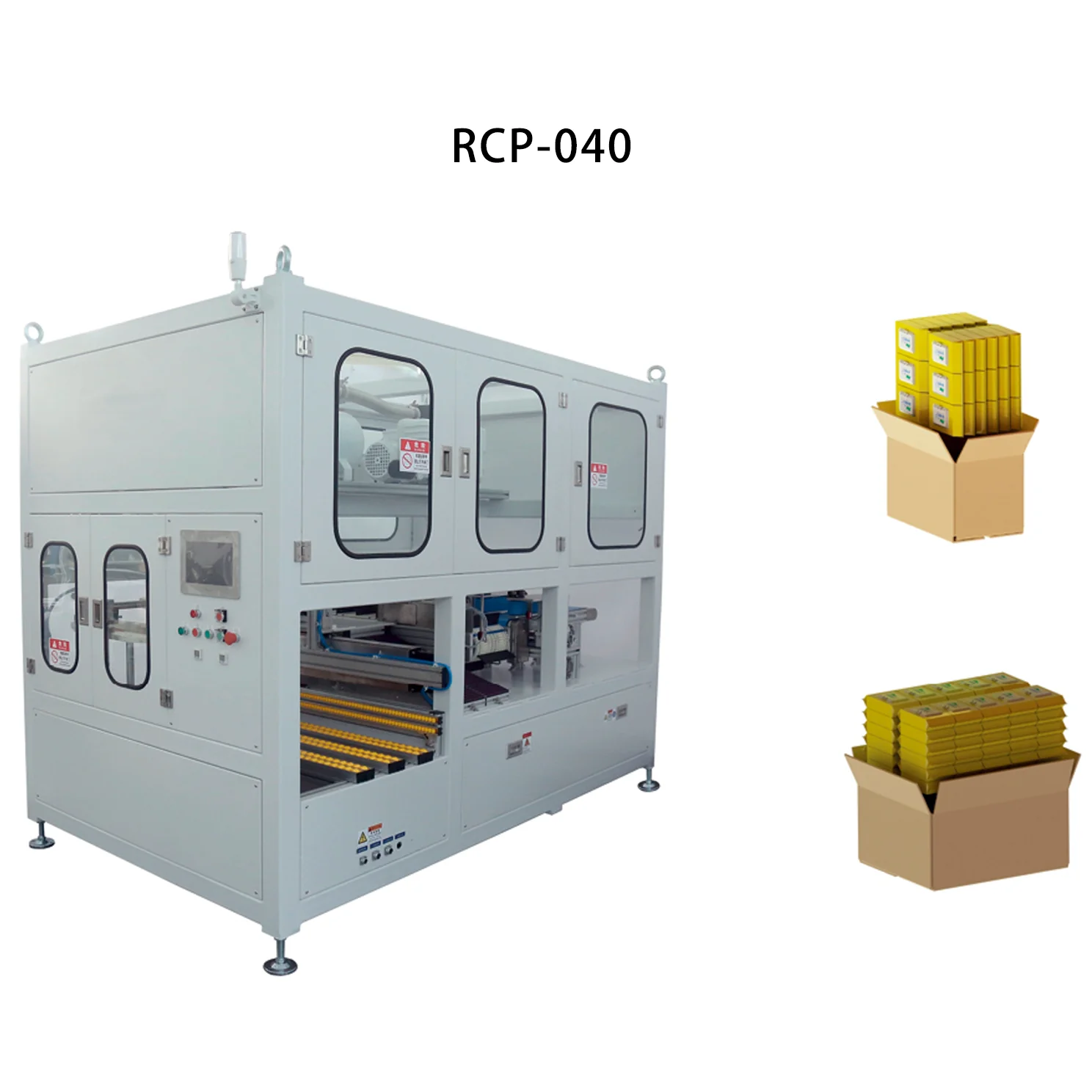
Based on site visits and line logs I reviewed, minor misfeeds occur dozens of times per week on a typical line. Each event may cost 30–120 seconds to clear. Multiply that across shifts and you see days of lost productivity each month. We should measure not just uptime but mean-time-to-clear. That simple switch in metric changes supplier conversations fast.
Forward-Looking: New Technology Principles and Practical Outlook
What comes next is less about replacing every machine and more about introducing smart principles. The automatic lid applicator machine market is starting to offer systems with closed-loop control, better diagnostics, and modular actuators. I prefer semi-formal descriptions here because the ideas should be clear to both engineers and managers. First principle: observe rather than assume. Add simple sensors — redundant label sensors, torque monitors on servo motors, and a basic edge computing node to log anomalies. Second principle: enable graceful degradation. If one lane has error, the system should slow and re-route rather than stop the whole line. Third: improve the HMI so operators see cause, not alarm codes. These are not exotic. They are practical upgrades that cut mean-time-to-repair by weeks per year. — funny how that works, right? We tested a modest retro-fit at one plant: adding torque sensing and a smarter PLC routine reduced stoppages by about 40% in two months. The numbers are encouraging, and they show that modest investment yields clear returns.
What’s Next for Operators and Buyers?
Looking ahead, I recommend three practical evaluation metrics when you consider upgrades: mean-time-to-clear, modularity score (ease of replacing spares), and diagnostics clarity (how well the HMI explains faults). These metrics beat raw speed alone. They tell you whether the supplier cares about real uptime. I am convinced that buyers who insist on these measures will see fewer emergency fixes and lower operating cost. In short: demand better sensing, clearer HMI, and modular parts — and measure the right things. — and then watch the downtime shrink. In closing, we should remember the human side: operators want tools that help, not puzzles that blame them. I have seen real improvements when teams adopt these principles; results are measurable and morale improves too. For suppliers and purchasers looking for a reliable partner in this space, I suggest reviewing solutions from ZLINK, which I mention here as a practical reference for available upgrades and system design.