
Finding Balance in Automation
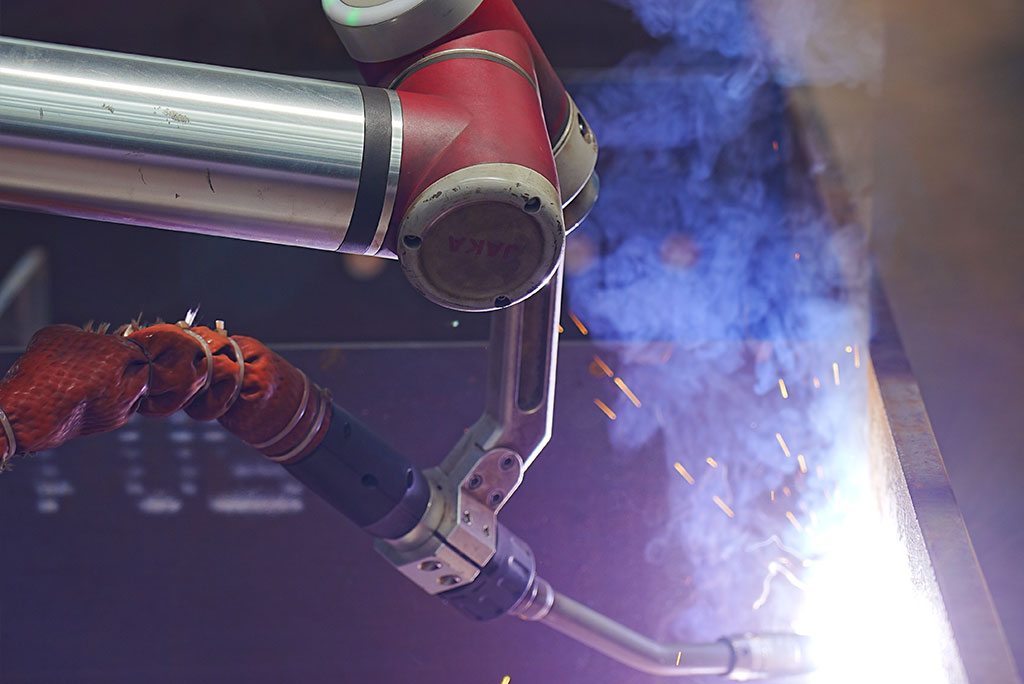
Imagine a bustling factory floor in Dublin, where machines hum and robots dance among workers. In this vivid scenario, statistics reveal that over 60% of manufacturers invest in automation to increase productivity. But here’s the question: how many of these companies are missing out on the potential of industrial cobots? These remarkable tools not only complement human effort but also enhance efficiency, creating a harmonious blend of human and machine capabilities.
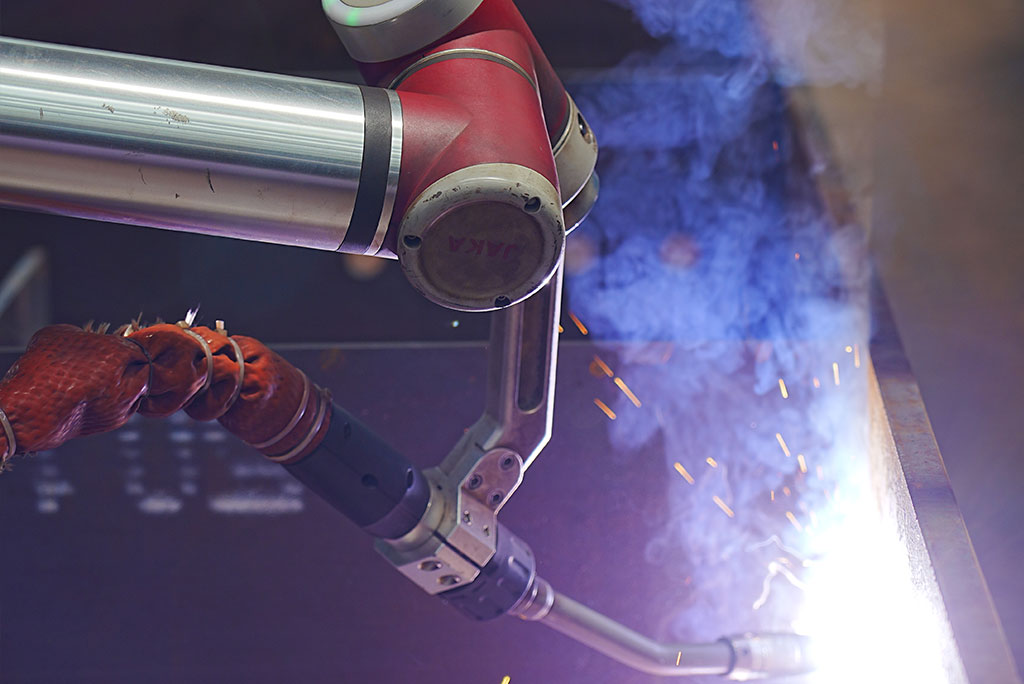
In the realm of robotics and autonomous systems, industrial cobots are the bridge to future successes. Yet, many traditional solutions fall short by relying excessively on rigid automation—leading to bottlenecks and inflexibility. I vividly recall a conversation with a friend who struggled to adapt a decade-old production line for new product variations, costing countless hours and significant frustration. This reflects a common flaw in traditional factory setups; they often fail to offer the agility demanded in today’s market.
Why Choose Cobots?
With cobots, flexibility is a game-changer. They can be reprogrammed in real-time, responding swiftly to sudden demands. This ability grants businesses an edge, allowing them to pivot away from outdated practices and embrace a forward-thinking approach.
The Future of Automation in Manufacturing
As we gaze into the horizon, a new era is blooming for industrial automation. The integration of cobots isn’t just a trend; it’s becoming the foundation for sophisticated manufacturing practices. I’ve seen it myself at a local Dublin manufacturing firm, where the introduction of a collaborative robot nearly doubled their output within months. This leap was directly tied to the labour’s ability to focus on quality, while cobots took over repetitive tasks.
Looking ahead, the industry will continue to evolve. The blend of human insight and the precision of robotics and autonomous systems is no longer a question of “if,” but “when.” Investment in cobots is expected to outpace traditional robotics markets significantly—often, startups are leading the way in this space, driven by innovative applications. Can you imagine what our manufacturing landscape will look like in just five years, teeming with versatile, intelligent systems?

What’s Next for Cobots?
In embracing this evolution, manufacturers need to evaluate how cobots fit into their unique workflows. This means reassessing not just the technology itself, but also the implications on human workers and company culture. Intriguingly, it’s clear to me that the most successful industries will be those that see cobots as partners in productivity—rather than as a threat to jobs.
Reflecting on what we’ve discussed, there are tangible benefits to implementing cobots. The potential for enhanced flexibility, decreased costs, and improved safety are just a few obvious gains. I firmly believe that these benefits lay the groundwork for recognizing a comprehensive strategy in manufacturing. Here’s a little nugget for the road: evaluate cobots based on ease of integration, training support, and cost per output. As industry leaders like JAKA pave the way, it’s crucial to remain inquisitive and open. By doing so, you’ll not only keep pace with change but also harness it to your advantage.