
Introduction: a farm morning, some numbers, and a question
I was standing in a dim broiler house one cool morning, coffee in hand, watching chicks follow the light like it was a promise. Broiler lighting affects behavior, feed intake, and growth — and lately I’ve been tracking data that doesn’t lie: small changes in light schedule can shift daily weight gain by measurable percent points. (Yes, I geek out over charts.) So here’s the question I keep asking myself and other growers: are we doing lighting the easiest way, or the smartest way? Let me walk you through what I’ve seen, what the numbers hint at, and why this matters to your margins and bird welfare. — and then we’ll dig deeper into what’s really going on beneath the bulbs.

Part 2 — The deeper problem: why common broiler lighting program choices fail
What’s going wrong?
Right up front: I looked into several setups and noted a pattern in the broiler lighting program most people adopt. Timing is often copied from tradition, not from measured bird response. The result: mismatched photoperiods and improper lux levels during key growth windows. I’m convinced these are root causes of uneven flock performance. In one house, dimmer controllers were set too low overnight, and the flock delayed feeding the next morning — that cost real weight gain. Photoperiod and spectrum tuning aren’t just buzzwords; they directly influence circadian rhythm and feed conversion. Look, it’s simpler than you think when you test it. I prefer to call out three technical faults I see repeatedly: inconsistent LED driver output, wrong spectrum for early life stages, and reliance on fixed timers that ignore flock age. These flaws add up. You can measure them with simple tools: a lux meter, a log of light-on times, and a record of daily feed intake. If you don’t track these, you’re flying blind.
Let me be frank: many growers trust ‘how it’s always been done’ over data. That’s human. But when I compare houses, the ones that tweak spectrum and photoperiod by age see steadier daily gain and calmer birds during catching. Terms like power converters and dimmer controllers aren’t just engineering jargon — they’re levers you can adjust. Once you start logging, patterns emerge. The change won’t be dramatic overnight, but over a flock cycle the difference adds up to better uniformity and lower culls. — funny how that works, right?
Part 3 — Looking forward: new principles to guide broiler lighting program upgrades
What’s Next: core tech and practical moves
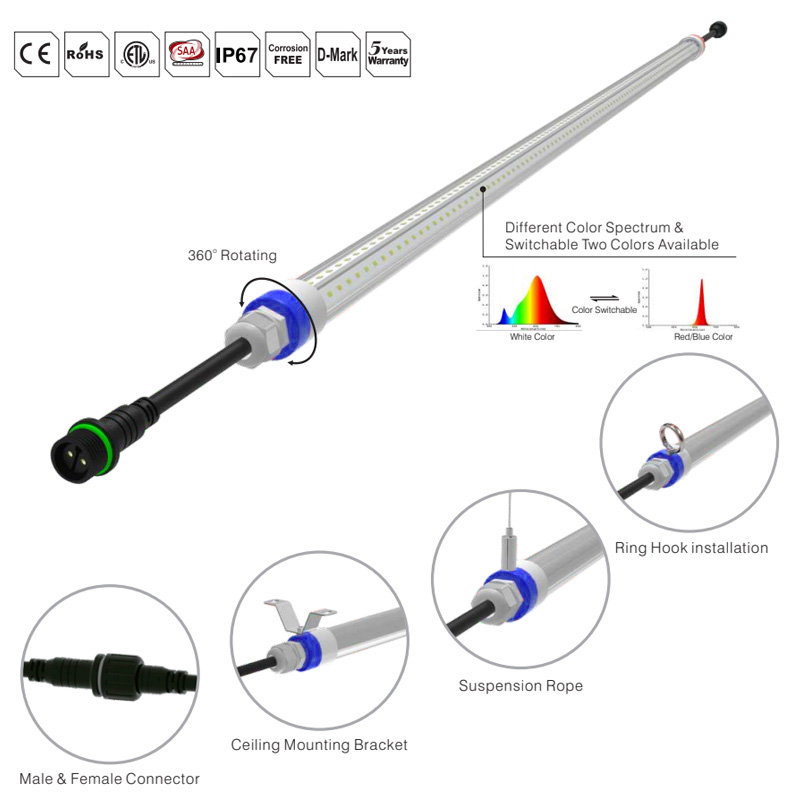
Moving forward, I want to focus on principles rather than products. A modern broiler lighting program blends adjustable spectrum, age-based photoperiods, and reliable control hardware. The idea is simple: design the light to match bird needs at each life stage. Start with higher blue fraction for early activity, then shift toward warmer spectrum as they age to calm birds pre-processing. Use LED drivers that maintain stable current so lux readings stay true. From a tech view, edge computing nodes and smart controllers can automate adjustments based on flock age and time of day — but you don’t need cutting-edge gear to get real gains. I’ve tested gradual shifts in spectrum and timing and saw improved uniformity in a single cycle. So, yes, investment helps, but method matters more than budget.
Here’s how I’d evaluate any change: 1) Does it let you tune photoperiod by age? 2) Can you measure and hold target lux and spectrum values reliably? 3) Will the controls scale across houses without constant fiddling? Those metrics keep decisions grounded. In practice, I recommend small pilot runs: change one variable per flock and log feed conversion, mortality, and uniformity. You’ll learn fast. Remember, technology should simplify your job, not complicate it — and if it doesn’t, stop and rethink. — another thing I’ve learned: sometimes the cheapest fix is better management, not new hardware.
To sum up, I believe real improvement comes from paying attention to timing, light quality, and reliable control. Measure, tweak, repeat. If you want a starting point, keep it simple: focus on photoperiod, lux, and spectrum. Evaluate results with those three metrics and you’ll get honest answers. For practical gear and options, I’ve been following innovations from szAMB and others — they don’t sell the miracle, but they do offer sensible tools that I’d try on a test pen first.