
Introduction: Defining the system and the stakes
I start by breaking down what a lighting system must do: provide the right intensity, spectrum, and schedule so birds grow predictably. A typical barn scenario shows wide swings in activity and welfare when lighting is inconsistent; broiler lighting can make the difference between steady gains and erratic performance. Recent data from mixed flocks show up to a 6–8% difference in feed conversion tied directly to lighting consistency — so I ask: how do we design programs that deliver day after day? (There are no magic fixes — only repeatable practices.) Below I map out problems that hide under the surface and then point to practical principles you can act on now; the next section digs into where common programs go wrong.
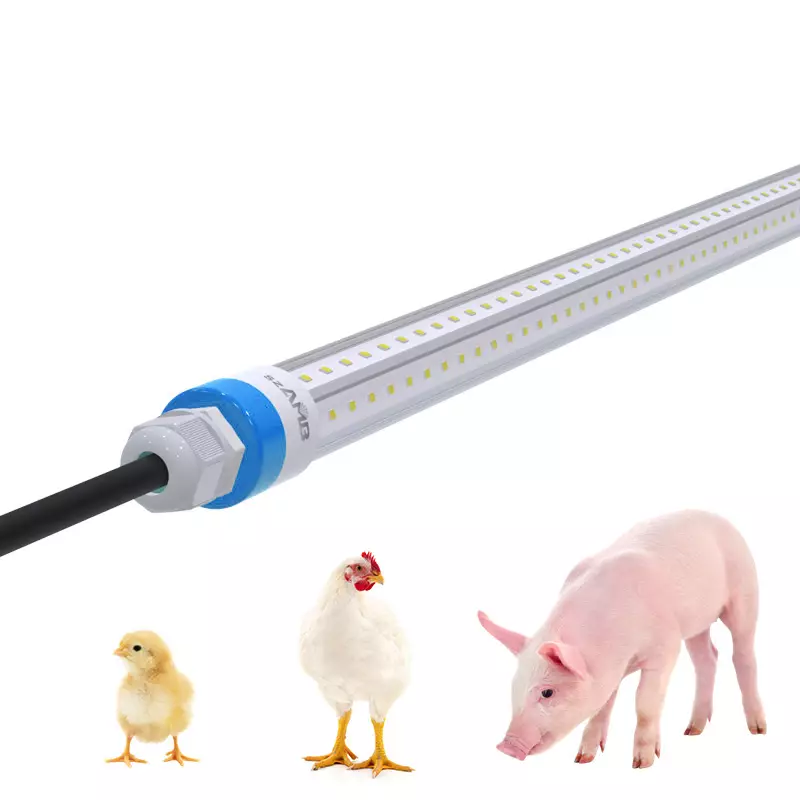
Why standard lighting programs for growing pullets break down
lighting programs for growing pullets are often written as schedules: intensity targets, photoperiods, and spectral notes. But the schedule alone does not account for real barn variables — faulty drivers, uneven lux levels, and human timing errors. I’ve seen farms follow a chart to the letter while birds still show stress signs because the lamps aged, flicker increased, or the dimming curve was non-linear. Look, it’s simpler than you think: the schedule is only as good as the hardware and the feedback loop supporting it. In my experience, the weakest links are LED drivers that drift, poor spectral distribution from mixed fixtures, and controls that lack local sensing — all of which push a solid plan off course. That leads to poor uniformity, increased mortality risk, and wasted energy.
What’s the core pain here?
Most producers tell me the same thing: “The program worked on paper but failed in the house.” They mean the system lacked redundancy and on-site diagnostics. Faults go unnoticed until birds show symptoms. We need systems that flag issues early — simple sensors, baseline power checks, and a routine test for flicker and lux. I recommend adding a step to your daily run sheet: a quick lamp scan with a lux meter and a visual check of driver heat. These small steps catch problems before they cost you growth or welfare.

Forward-looking principles: new tech that makes lighting dependable
Let’s talk about principles, not products. Good systems blend robust hardware, intelligent control logic, and simple field checks. Modern LED drivers with remote telemetry, consistent spectral distribution, and properly tuned dimming curves reduce drift. I favor designs that use local sensors to measure real lux at bird level and feed that data into the controller. That lets you turn a schedule into an adaptive program that corrects for fixture aging and ambient changes. Also — yes — power converters and surge protection matter. They protect the whole network and keep that schedule honest over months and years.
What’s Next?
Implementing these principles requires planning: select fixtures with spec sheets that include lumen maintenance, demand proper commissioning, and set up a simple telemetry routine. Start small. Test one house, compare outcomes, iterate. You’ll see measurable gains in uniformity and FCR — and fewer late-night troubleshooting runs. — funny how that works, right? I also urge teams to train daily operators on simple diagnostics. That human layer multiplies tech value. As you move forward, remember to keep the focus on consistency: spectral stability, reliable LED drivers, and clear communication protocols between controllers and field sensors. Oh, and keep spare parts on hand; it saves panic calls.
Closing: Three metrics I use when choosing a solution
I want to leave you with three clear metrics to evaluate any lighting upgrade. First, uniformity ratio at bird level (target >0.8 across pens). Second, lumen maintenance and spectral stability over time (ask for LM70 or similar projections). Third, mean time to detect and repair — simple: how fast will you know and fix a fault? Use these, and you’ll judge systems by real impact, not glossy specs. I’ve used these measures on farms that moved from reactive fixes to steady, predictable operations. We felt the relief — and the birds did too. For practical hardware and program options, check resources and solutions from lighting programs for growing pullets and consider working with installers who test in your barns. For tools and parts, I’ve found good support from szAMB.