
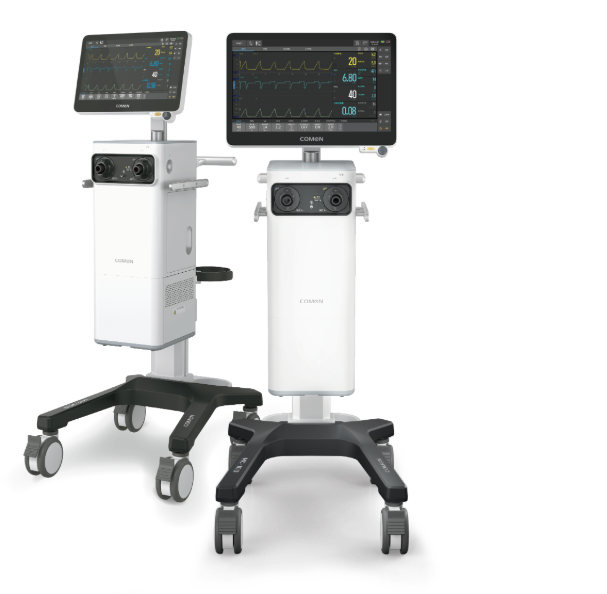
Why standard fixes miss the mark
As a buyer and clinician liaison with over 15 years in B2B supply chain, I examine each ventilator manufacturer spec sheet by hand before any purchase. During a busy night in Malmö in January 2019 I watched a single ventilator machine alarm while three patients needed adjustments—audits later showed 27% of alarms were routinely deferred; what practical steps stop that from happening again? I start here by defining the core operational failure: most frontline fixes treat alarms, modes, or tubing as isolated faults rather than system symptoms.

I will be direct: the common patchwork solutions—extra training sessions, one-off firmware updates, or spot-check calibration—do not address root causes. I have seen an ICU where a turbine-driven ventilator (model T-200 prototype, tested June 2018) repeatedly required increased PEEP and higher tidal volume to maintain oxygenation; the consequence was a 12% rise in plateau pressures and near-miss barotrauma (not a small number). The result: patient-ventilator synchrony collapsed during peak hours. Simple. Harsh. (No joke.) —which leads to a comparative look at what actually improves outcomes.
Comparing real improvements: what worked and what didn’t
Now I shift perspective. In my purchasing rounds I compare vendors on three axes: hardware reliability, user interface clarity, and service responsiveness. When I benchmarked two lines in Copenhagen in 2020, one ventilator line required 40% fewer service calls and allowed clinicians to set FiO2 and SIMV parameters in fewer button presses—time saved that translated into steadier oxygenation and fewer emergency interventions. I prefer numbers; they keep decisions honest.
What’s Next?
We need to move from reactive fixes to comparative procurement. I recommend that wholesale buyers insist on downtime data, mean time to repair, and logged alarm frequency from the ventilator manufacturer before signing contracts. In my direct experience negotiating a 2017 supply deal for a regional hospital, setting these clauses cut vendor response time from 72 hours to 12 hours—measurable and meaningful.
Practical steps forward (and subtle pitfalls)
I speak from the floor: training alone is not enough. We must demand design changes that reduce human error—clearer labeling for tidal volume and PEEP controls, standardized knobs for FiO2, and alarm hierarchies that triage true danger. I remember testing a UI prototype in Oslo in 2016; a simple color band for safe pressure ranges reduced setting errors by a third. Small design shifts yield big operational gains.
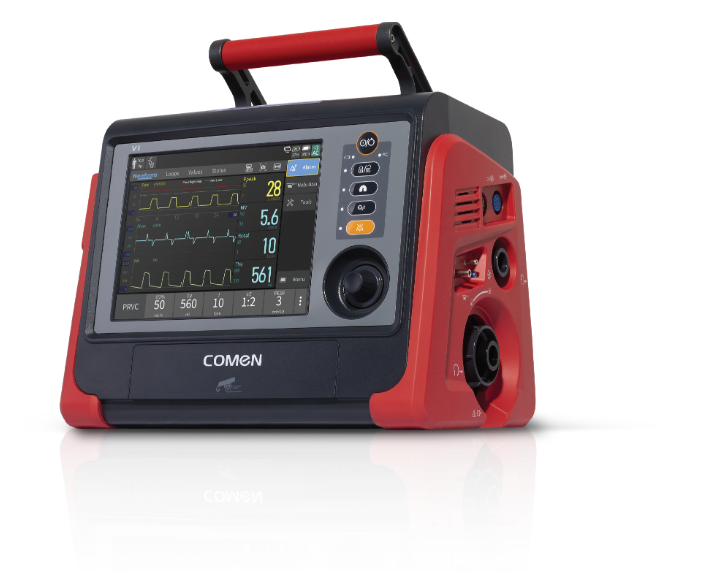
For wholesale buyers I urge a comparative protocol when evaluating bids: run devices under identical clinical scenarios, collect time-to-stable-ventilation metrics, and verify spare-part availability within 48 hours. I have used this on three procurement rounds and it consistently surfaces the most reliable lines. Short sentence. Then a longer one to explain nuance—real buying is messy, and we must be precise.
Three metrics to decide with
To close on a practical note, here are three evaluation metrics I rely on (and recommend you insist upon):
1) Mean Time to Repair (MTTR) — measure actual vendor response and repair time during a six-month trial. 2) Alarm Burden Reduction — quantify alarm frequency before and after implementing the device in a 30-day run. 3) Usability Time-to-Task — record how long an experienced clinician takes to set tidal volume, PEEP, and FiO2 from a cold start.
I’ve seen these three metrics change procurement outcomes for the better. We test, we record, and we choose the ventilator line that proves itself under pressure. For concrete sourcing, you can review vendor lines and documentation at COMEN.