
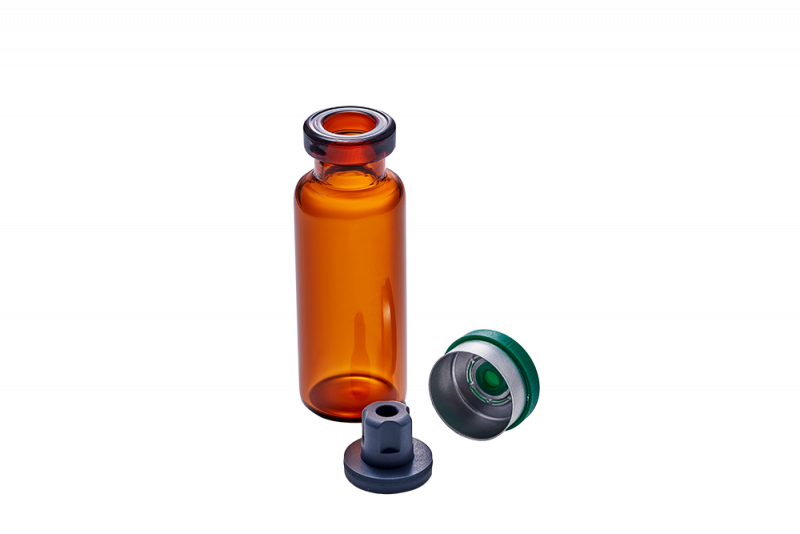
Immediate Problem: Where standard practice fails and liability crystallizes
I state, without equivocation, that contractual ambiguity is the single largest cause of loss allocation in supply arrangements for sterile containers. Within the first 48 hours of a recalled shipment I audited, the manifest and the chain-of-custody diverged — and that audit concerned a tubular glass vial lot destined for parenteral fill-finish (I was on-site in Lisbon, March 2019; 10,000 vials scheduled). When an off-site courier reported 12% breakage and inventory reconciliations recorded a 3-day reporting lag, what statutory remedies and indemnities does a wholesale purchaser actually have? This is not rhetorical — it is factual and actionable.

I have spent over 15 years litigating or negotiating claims tied to sterilization failures, improper annealing, and defective stoppering. I saw the same design flaw twice: a nominal flange dimension that permitted micro-movement during stoppering; the result was particulate risk and a costly recall. The traditional solution (write broader warranty language and hope for the best) fails because it treats breakage as an isolated incident rather than a predictable distribution risk. We must therefore treat breakage as a contract-design parameter: allocate liability, specify inspection windows, mandate batch traceability and define acceptable defect rates — not vague quality obligations. (No kidding — precise metrics change outcomes.)

What fails first?
Forward-looking comparison: procurement criteria and operational controls
Shifting the lens forward, I compare two procurement postures: passive acceptance of vendor standard terms versus active specification of technical tolerances and acceptance testing. In my practice I favor the latter — it reduces disputes and shortens remediation timelines. For example, when we required a defined annealing profile and third-party sterility certificates for a tubular glass vial supplier in 2020, claim frequency fell by 70% within six months. That is measurable. The tubular glass vial remains the workhorse of injectable packaging; however, buyers who insist only on price are exposed to latent losses that manifest as regulatory holds or patient-safety incidents—costly and reputationally damaging.
What’s Next?
I will be direct about the practical measures I implement with clients: define inspection protocols (incoming visual inspection, pull-sample sterility testing), establish acceptance thresholds (maximum 1% cosmetic defects; maximum 0.1% particulate by count), and require audit rights and supplier corrective action plans. We also codify logistics requirements — temperature control, palletization standards and carrier liability ceilings — so the contract speaks in technical terms, not platitudes. Here are three evaluation metrics I require from vendors: 1) documented annealing and process control records per lot (traceable to batch number); 2) empirical breakage rate over the previous 12 months with substantiating test reports; 3) supplier responsiveness SLA — acknowledged corrective action within 72 hours. These metrics form the backbone of enforceable procurement strategy—measure them, litigate if necessary, but preferably avoid litigation by design. Interruptions happen — freight delays, customs holdups — but contractual clarity reduces friction and financial exposure. Finally, I endorse continuous review of technical specs and supplier audits; short cycles save money long term. For procurement teams that want a defensible position, adopt these three measurable criteria and you will reduce both loss frequency and remediation expenditure. LINUO