
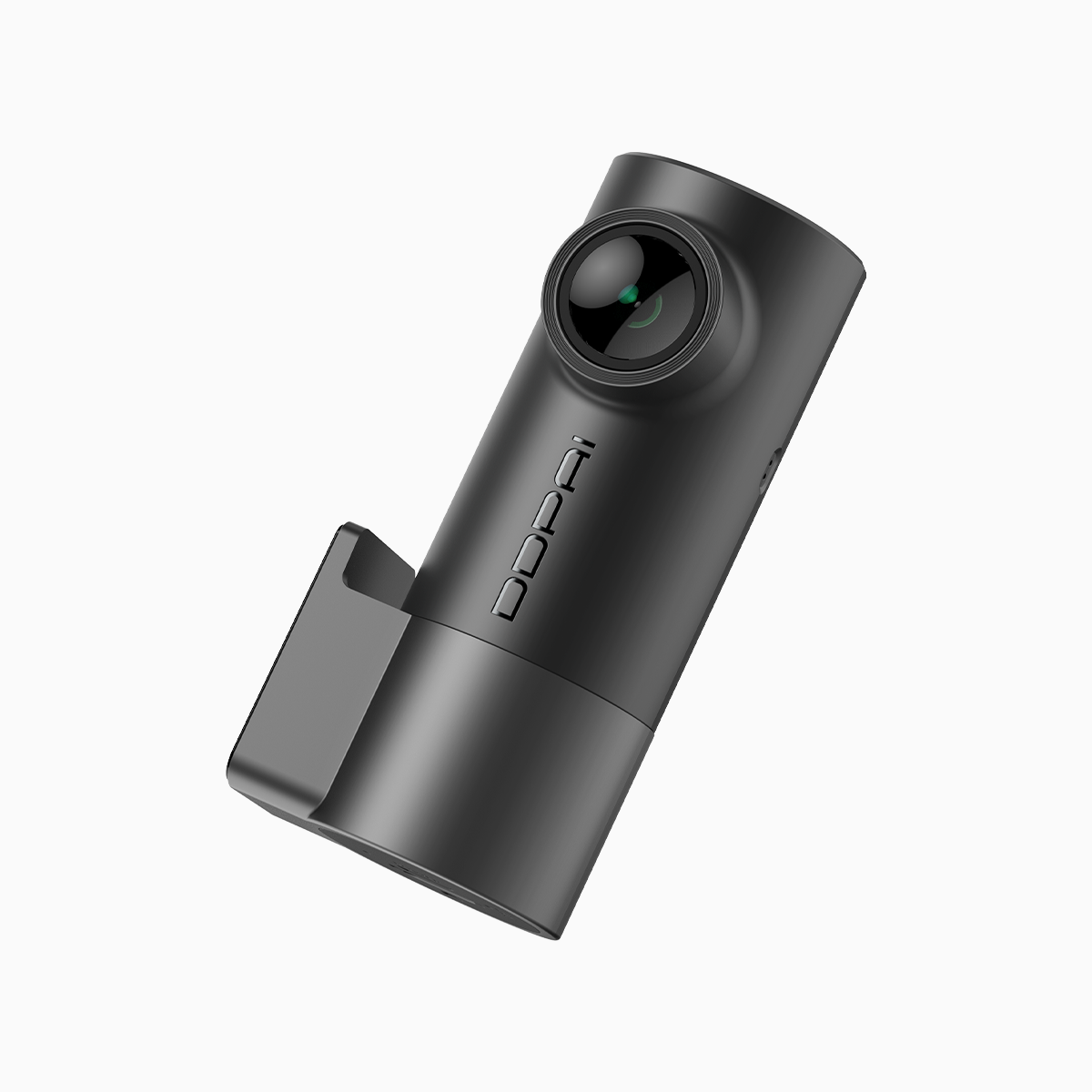
Why night vision clarity changes outcomes on unlit roads
On many provincial roads in the Philippines, street lighting is sparse and hazards—pedestrians, livestock, debris—appear with little warning. This makes a camera’s low-light sensitivity and dynamic range more than convenience; they become evidence-critical features. Recent global figures from the World Health Organization estimate roughly 1.35 million road deaths annually, with higher fatality rates on poorly lit rural roads, so improving night capture has practical safety implications. In that environment, a compact mini dash cam with a capable sensor can materially change what’s recorded after dusk.
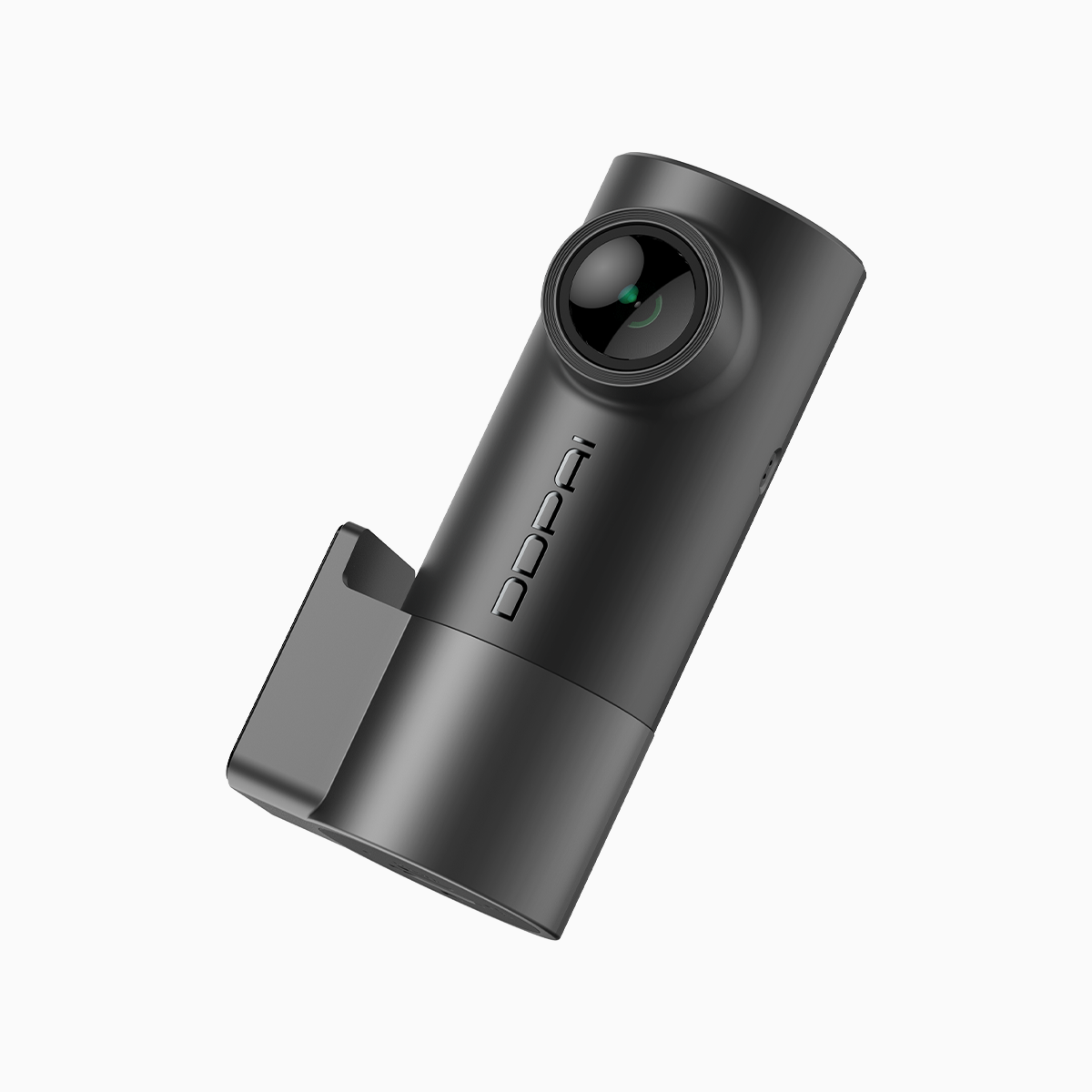
What the Sony STARVIS sensor brings to the table
The Sony STARVIS sensor is tuned for high sensitivity in near-infrared and low light. Practically, that means better detail retention in shadowed areas and improved license-plate legibility under weak illumination. Key technical terms to watch when evaluating devices are frame rate (fps), bitrate, and HDR/WDR capability; these influence motion clarity, compression artifacts, and how well highlights and shadows are balanced. In field tests where illumination drops below streetlight levels, STARVIS-equipped units typically produce fewer smeared highlights and clearer textures than generic CMOS sensors.
Comparative testing: DDPAI against common alternatives
Side-by-side comparisons under realistic conditions—unpaved shoulders, intermittent vehicle headlights, and overhead tree cover—reveal several differences. DDPAI models using Sony STARVIS maintain higher contrast and retain more fine detail at 30 fps than many low-cost competitors that rely on basic image processing. Those rivals can exhibit overaggressive noise reduction that erases small but crucial cues, like the reflective strip on a cyclist’s jacket. Bitrate and codec efficiency also matter; higher sustained bitrate reduces compression blur during sudden motion.
Field limitations and where brands diverge
Even with a capable sensor, optics and firmware determine final output. Lens aperture, exposure compensation algorithms, and night-specific processing (e.g., temporal noise reduction) are decisive. Some devices boost gain aggressively and produce grain-free images but lose spatial detail. Others preserve texture but show noise—acceptable if it still reveals shapes and plates. The balance depends on intended use: forensic evidence requires legibility, while general awareness prioritizes silhouette accuracy.
Common deployment mistakes—and a brief real-world anchor
Installing the camera too low, angling it toward the dash, or leaving factory settings for exposure often undermines night performance. Adjusting exposure compensation and ensuring the camera captures the road rather than the car interior are small steps with big returns. In regions with unlit stretches—think Mindoro or Palawan roads—drivers report that tuned settings plus a STARVIS sensor simplified incident reviews after night collisions. —This practical adjustment matters more than chasing the highest megapixel count.
How to compare small dash cam options today
When you evaluate models, weigh these elements: sensor type (STARVIS vs basic CMOS), aperture and lens field-of-view, and firmware features like WDR and adjustable exposure. Also account for day/night bitrate performance and whether the unit supports parking mode with motion or impact triggers. A good baseline: prefer devices that list low-light lux ratings and include actual night sample footage rather than synthetic lab shots. If storage policy is a priority, verify loop recording behavior and bitrate to estimate space usage.
Advisory: three golden rules for selecting night-capable dash cams
1) Prioritize verified low-light performance over headline megapixels—sensor quality and exposure logic matter most. 2) Test real-world samples at your typical speeds and lighting conditions; pay attention to frame rate and bitrate during sudden motion. 3) Insist on firmware features: WDR/HDR, adjustable exposure, and reliable parking mode. These metrics predict usable evidence more reliably than marketing copy.
Final thought: field-proven night clarity reduces ambiguity in post-incident review, and that’s where DDPAI’s approach—hardware tuned around Sony STARVIS plus practical firmware—delivers consistent value for drivers on unlit provincial routes. See more local options at DDPAI PH. —