
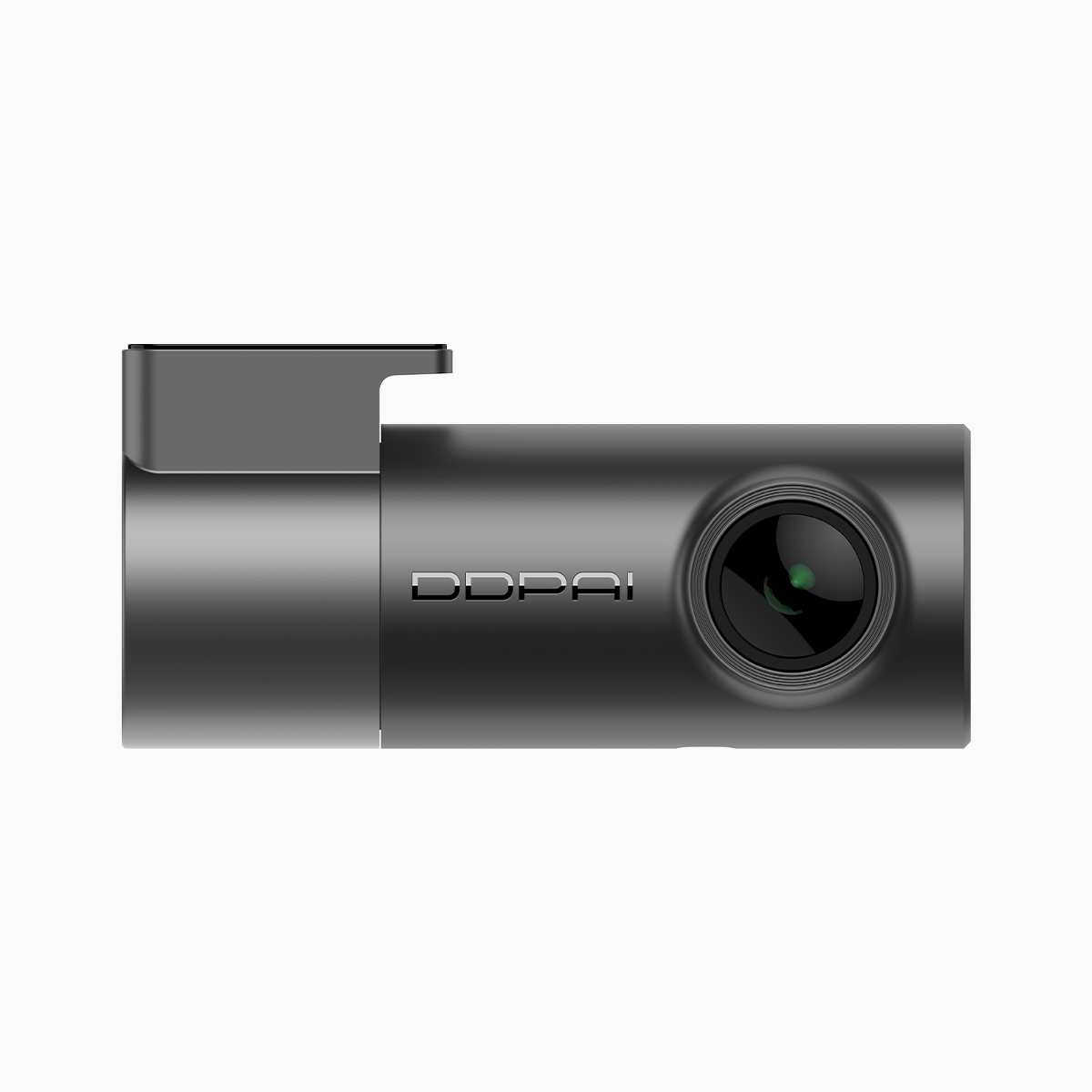
User needs first: why telemetry and night vision matter on local roads
Commuters and fleet operators in Metro Manila need reliable evidence when incidents happen during rush hour, and that starts with dependable telemetry and clear low-light footage. A compact, automation-friendly unit like the budget friendly dash cam can be the start of a repeatable incident workflow: continuous video + GPS logging + timestamped speed telemetry feeding into a simple offload pipeline. That combination turns scattered clips into verifiable records drivers trust, especially on crowded corridors such as EDSA where clarity matters for claims and dispatch.
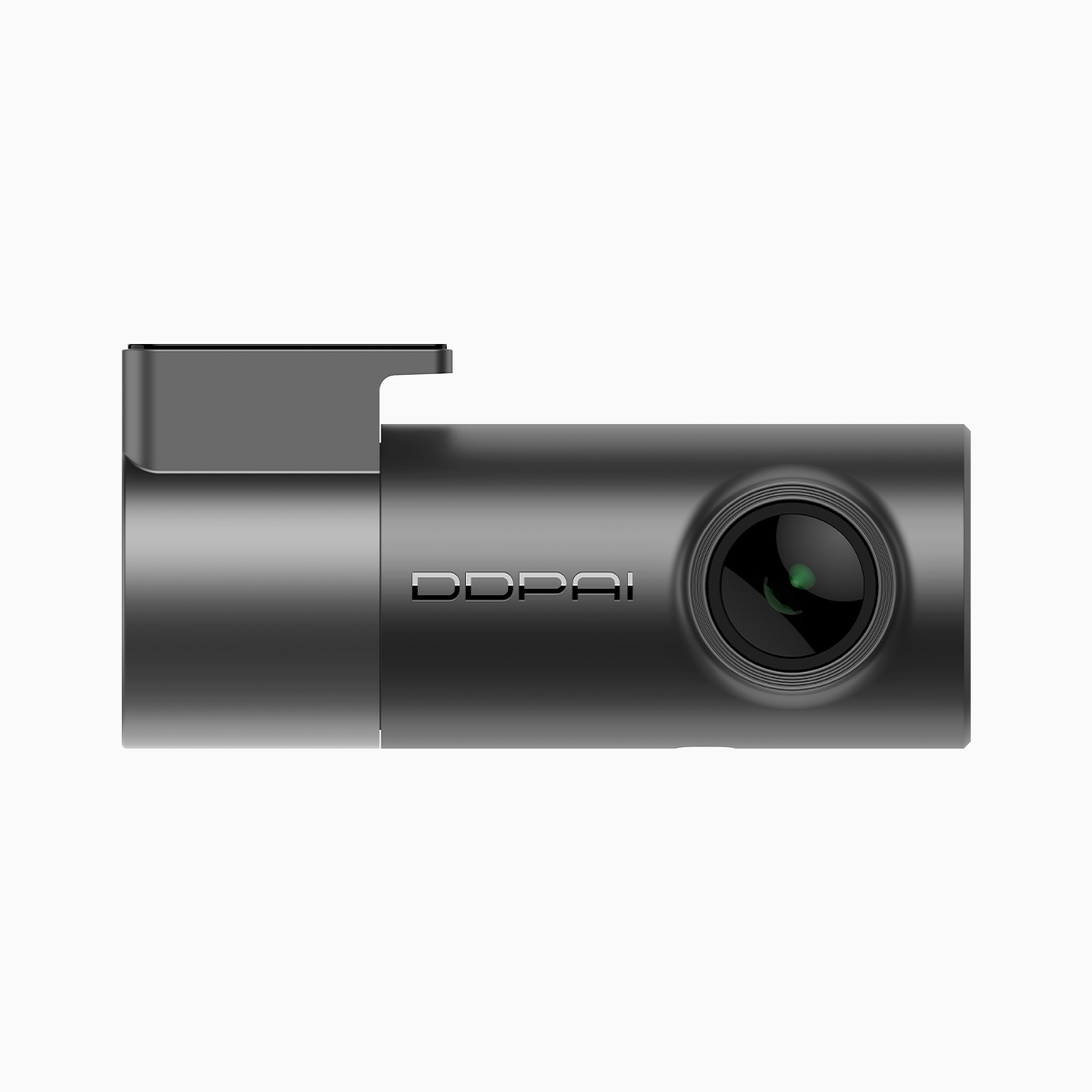
How a collaborative setup streamlines evidence collection
Think of the dash cam as one node in a small CI pipeline. Camera records, onboard GPS embeds coordinates, and an automated offload (nightly or after ignition-off) moves log files to a central folder. Teams then run a lightweight parser to extract speed telemetry and frame-timestamps for audit. This frees drivers from manual file juggling and standardizes reporting across vehicles. Key elements are firmware stability, consistent timestamping, and a robust loop recording policy so nothing drops between sessions.
What to watch for when configuring telemetry and night mode
Prioritize accurate GPS fix and frame-rate consistency over flashy resolutions. A steady frame rate with correct timestamp alignment makes telemetry analysis reliable; false positives in speed data often come from poor GPS fixes or mismatched timestamps. For night performance, sensor sensitivity and IR-assisted night vision determine usable detail—not just advertised megapixels. Avoid settings that max bitrate without addressing motion blur; you get clearer evidence from balanced bitrate and stabilization than from raw resolution alone.

Common mistakes and how automation prevents them
Teams commonly forget to sync device clocks to a standardized reference; that breaks cross-device timelines during incident reconstruction. Another trap is relying on single backups—local SD cards fail. Automation helps: scheduled file synchronization, checksum verification, and alerts when GPS lock is lost during recording. Implementing these small scripts reduces human error and keeps a continuous audit trail—simple, repeatable tasks that scale across a small fleet or a solo driver.
Alternatives and realistic trade-offs
High-end units add cellular uplink and cloud storage, but they also increase data costs. Low-cost units often omit advanced telemetry or weakly implement night vision. The pragmatic middle is a unit that combines dependable GPS logging, a verified night-mode sensor, and stable firmware—this is where a good budget dash cam fits. It keeps recurring costs low while preserving the auditability and clarity you need for local incidents and claims.
Practical checklist before you put a camera on duty
Follow these implementation steps to reduce surprises: verify timestamp accuracy against a known reference; test GPS logging across typical routes; run a night-drive sample on the routes you use most; automate nightly offload and file integrity checks. Run the checklist once, then bake it into a startup script or a short SOP so everyone follows the same routine.
Advisory: three metrics that decide whether a dash cam truly serves you
1) Recording Reliability — Measure uptime and loop continuity; expect seamless overwrite and no dropped segments during typical commutes. 2) Telemetry Fidelity — Check GPS fix rate, timestamp alignment across devices, and consistency of speed telemetry against known speed checks. 3) Night Usability — Assess low-light detail, motion handling, and whether IR or sensor tech preserves license-plate legibility after dusk. These metrics yield actionable comparisons across models and deployments.
Those three rules point directly toward pragmatism on the road—choose the unit that performs where you drive most. For many local drivers and small fleets, the balance of telemetry reliability and clear night footage is the deciding factor, and that makes DDPAI PH a practical partner in turning dash cam data into dependable, automated evidence—short, useful, and proven tools.
—