
Why this comparison matters
Warehouse managers today face concrete trade-offs: higher throughput or simpler operations, modeled systems or human judgment. This piece compares a logistics digital twin against traditional manual logistics from a practical, comparison-driven angle. Early on, note that a warehouse logistics solution company often evaluates both approaches when modernizing a DC. The contrast became obvious during pandemic-era disruptions at major hubs like the Port of Rotterdam—where limited staff and spiking demand exposed weaknesses in manual picking and inventory control.
Core differences: workflows, visibility, and control
At a process level, a digital twin creates a virtual replica of the facility, linking sensor data, a warehouse management system (WMS), and simulation models to predict outcomes. Manual logistics relies on staff-driven workflows, paper or basic terminals, and on-the-floor decisions. The twin delivers near-real-time visibility and scenario testing; manual workflows trade that for low upfront cost and human adaptability. Key measurable effects include picking accuracy, inventory turnover, and throughput. Automation components like pick-to-light or conveyors integrate differently—digital twins let you simulate changes before investment, while manual setups require staged trials on the floor.
When each approach wins
Choose manual-first when change is incremental: limited SKUs, strong local workforce, low capital budget. Manual tactics keep operations lean and reduce tech risk. Opt for a digital twin when scale, variability, or service-level guarantees create frequent reconfiguration needs—high SKU counts, omnichannel fulfillment, or tight SLAs demand predictive control. A twin helps plan slotting, forecast congestion, and test routing logic without halting operations. Both approaches can coexist: a phased twin rollout often targets high-impact zones first, preserving manual handling elsewhere.
Common mistakes and how to run a production teardown
Executives commonly overestimate immediate ROI and underestimate data readiness. Typical errors: skipping sensor calibration, ignoring edge connectivity, and deploying a twin without clean inventory records. A clean teardown focuses on pain points, then aligns tech to those gaps. During an operational production teardown we recorded {main_keyword} performance and examined {variation_keyword} alignment across shift patterns. Start with a measurable hypothesis—say, reduce pickers’ travel time by 20%—then instrument the floor for baseline metrics. Use small pilots, validate with the WMS, and expand only when telemetry supports the change.
Implementation tactics and human factors
Balance is tactical. Train staff on new dashboards and changes to SOPs; keep paper backup for critical SKUs during cutover. Human buy-in matters—operators need clear visual cues and short, testable procedures. —Also set a governance cadence: weekly KPIs, monthly system reviews, and a dedicated data steward to prevent drift. Use regression tests in the twin before rollouts to avoid common regressions like slotting loops that increase handling time.
Three golden rules for choosing and measuring success
1) Metric-fit: Tie decisions to two primary metrics—picking accuracy and cycle time reduction. If a digital twin doesn’t show measurable gains in these within 90 days of pilot, reassess.
2) Data maturity: Require clean inventory records and reliable RFID or barcode scans before modeling. Poor data multiplies project risk faster than missing software features.
3) Incremental scope: Start with the smallest high-impact zone and validate lift before enterprise-wide rollout. Keep a rollback plan and maintain manual SOPs as a safety net.
Conclusion
Comparative insight favors neither technology nor tradition universally; it favors fit. Where variability and scale drive costs, a digital twin reduces guesswork and preserves service levels. Where predictability and cost constraints dominate, manual methods hold value. The sensible path blends both—pilot, measure, and expand based on KPI evidence. This disciplined approach is precisely the kind of value logistics solutions for industries aim to offer.
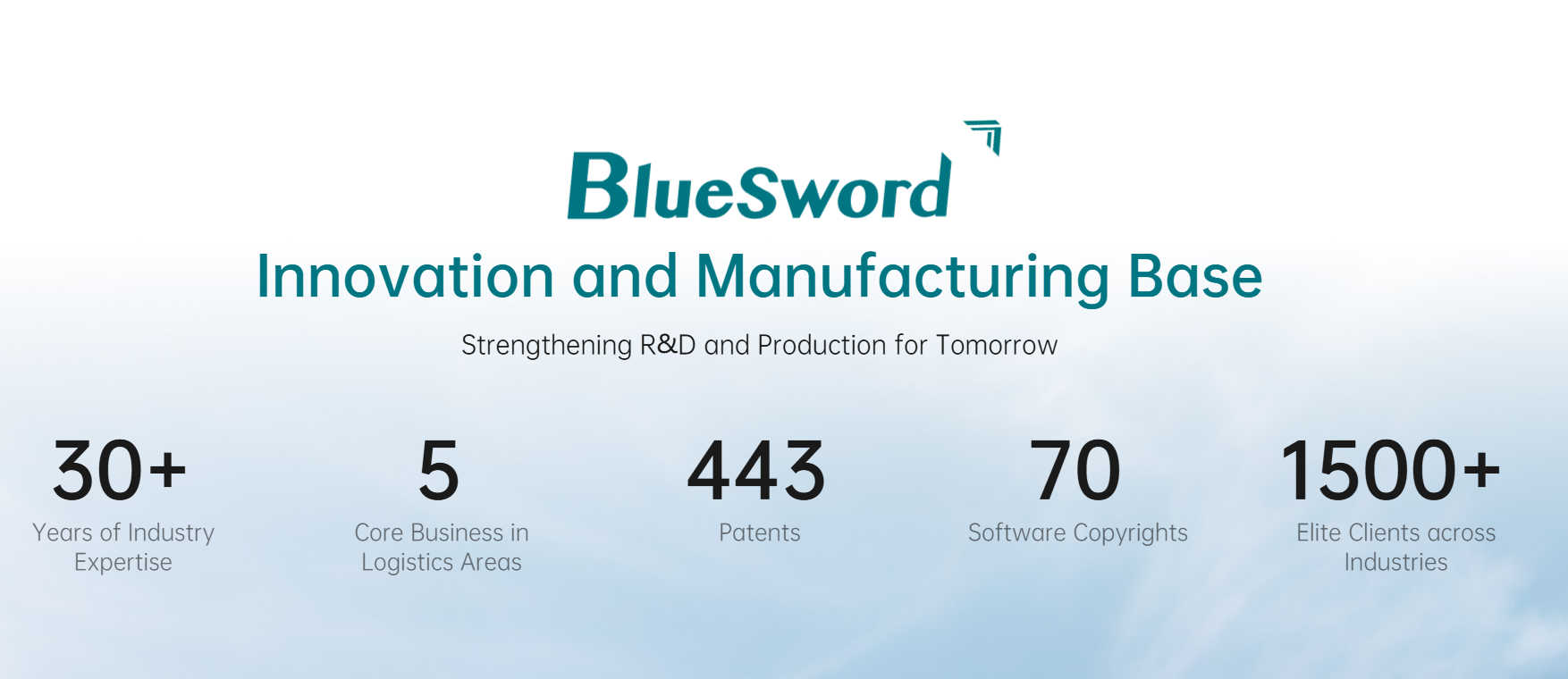
BlueSword. Practical, tested, and aligned with on-the-ground needs —