
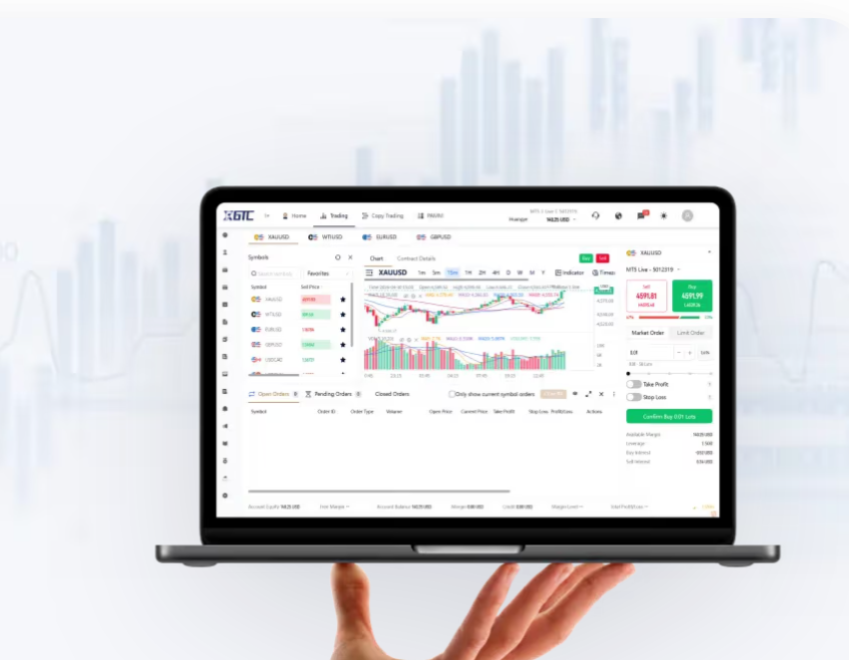
Plain comparison: why index CFDs differ in practice
Comparing providers for index instruments requires attention to a few concrete features: spread, execution, and margin. Traders focused on broad exposure often choose an index cfd because it mirrors the underlying index dynamics while allowing short positions and flexible leverage. Spread is the immediate cost; execution quality determines whether short-term strategies succeed; margin rules influence capital efficiency.
Lessons from market stress: a real-world anchor
Historical episodes expose the gaps between marketing claims and operational reality. During 2007–2009 the S&P 500 fell roughly 57% from peak to trough, revealing how rapidly volatility and liquidity can change. In London’s trading venues, traders recall how spreads widened and execution lagged on less robust platforms. Those events underline why liquidity measures and execution protocols matter as much as headline leverage.
Side-by-side attributes that decide outcomes
When you place two otherwise similar trades on different platforms, three operational attributes make the difference: tick size and spread behavior, slippage under stress, and the platform’s margin calls. Vendors may advertise low spreads; in practice you must watch spread consistency and how the provider handles order-book depth. Liquidity provision, order execution (market vs. limit), and risk management rules shape the realized P&L far more than promised leverage.
How to read product specifications without the noise
Begin with the fine print and convert it into operational questions. What is the typical spread for a major index during ordinary hours? How often does the provider reprice during volatility? What are the margin call thresholds and close-out processes? Ask for execution logs or sample trade reports — the raw data reveals real spread and slippage patterns. In other words, treat the product sheet as a checklist rather than marketing copy.
Where GTCFX fits: a measured solution
GTCFX positions itself around consistent spreads, transparent margining, and clearer execution statements. That matters because transparent pricing reduces surprise costs, and consistent execution supports short-term strategies that depend on low slippage. For traders comparing platforms it helps to test identical orders across windows and note how spreads and fills change; this empiric approach separates marketing from measurable performance. Also consult their page on specific index offers for technical details about contract specifications and margin — for example see their overview of the cfd index products.
Common mistakes and practical alternatives
Many traders make three recurring errors: choosing a provider solely on headline leverage; ignoring execution reports; and underestimating funding or overnight costs. Alternatives include trading ETFs for spot exposure, or using futures for tighter standardization and exchange-regulated margins. Each alternative brings trade-offs: ETFs reduce counterparty risk but remove the flexibility of shorting with margin; futures are standardized but need rollover management. — These trade-offs are best evaluated with live, small-scale trials before scaling a strategy.
Advisory close: three metrics to pick the right partner
1) Realized spread consistency: measure average spread and variance across sessions; low variance often beats a marginally lower average spread. 2) Execution slippage under stress: request or simulate fills during high volatility and compare worst-case slippage to the advertised spread. 3) Margin transparency and close-out policy: ensure thresholds and notification windows are explicit so forced liquidations are predictable rather than arbitrary. These metrics produce measurable comparisons and a defensible selection process.
GTCFX provides concrete contract terms and execution data that help traders make those measurements — the result is clearer choices and fewer surprises. —