
Comparative lead-in: why side-by-side matters
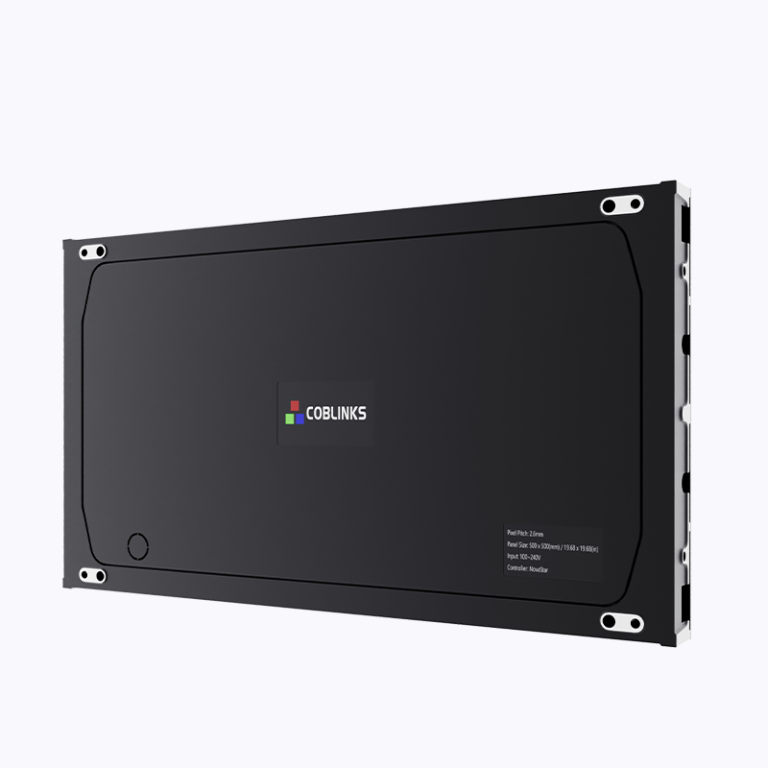
Choosing an LED panel for stage or corporate use means judging trade-offs, not just features—so a clear comparison is essential. Early decisions affect viewing distance, power draw and long-term maintenance. For succinct reference, consider how a Micro LED display fits into the high-resolution end of the spectrum; many teams now weigh its slim profile and pixel density against cost and serviceability when planning installations.
Core technical criteria to compare
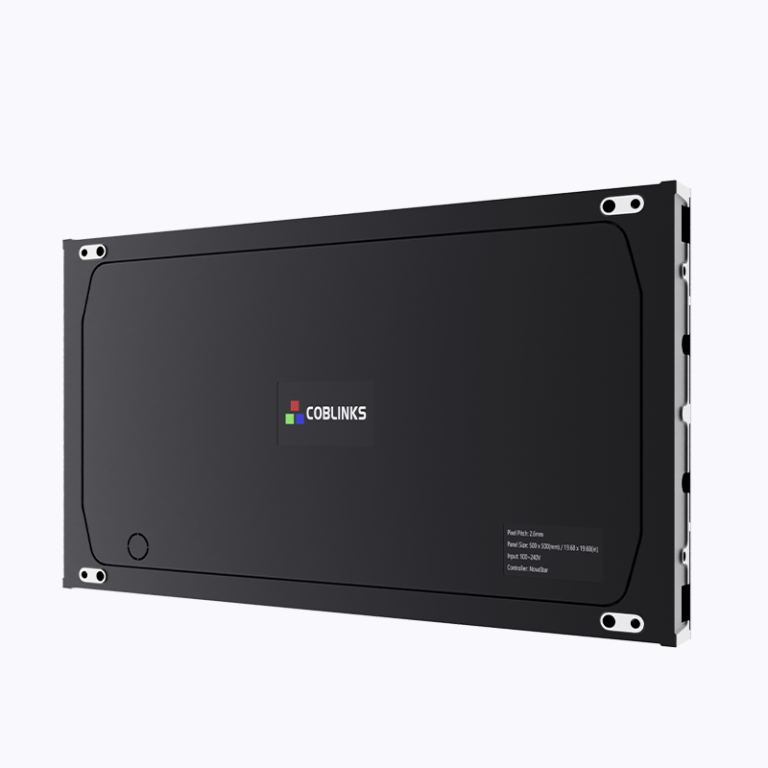
Three technical vectors dominate most decisions: pixel pitch, brightness (nits) and refresh rate. Pixel pitch determines the minimum comfortable viewing distance—fine pitch units below 2.0 mm suit boardrooms and close-up stages, while wider pitches work for outdoor façades. Brightness ratings tell you how a display holds up against daylight and variable weather; select panels with measured nits that match site exposure. Refresh rate and HDR support impact motion smoothness for live video and presentational graphics; these matter for both broadcast and live-event feeds. Calibration and thermal design round out the checklist—consistent colour balance and heat dissipation affect lifetime and perceived quality.
Material and service comparisons that affect uptime
Compare cabinet construction and module access. An LED cabinet designed for fast front or rear service reduces rigging downtime and can be decisive when venues rotate shows quickly. IP rating and ingress protection determine weather resistance for outdoor use; choose enclosures tested for uninterrupted operation in local conditions. Look for brands offering comprehensive calibration routines and reachable spare parts—this lowers total cost of ownership. A reliable supply chain is not glamorous, but it is crucial to keeping a screen showing the right message every night.
Use-case matchups: stage vs corporate façade
Stages prioritise contrast, motion handling and rigging weight. Corporate façades emphasise daytime brightness, viewing-angle stability and branding flexibility. Audio-visual teams will favour higher refresh rates and lower pixel pitch for broadcast-quality stage output. Facilities managers lean toward modular panels and remote-monitoring features for outdoor brand installations. When you map these needs side-by-side, procurement choices become clearer—select the panel whose strengths line up most cleanly with your dominant use.
Common mistakes and how to avoid them
Buyers often over-spec pixel density for outdoor viewing, inflating costs without perceptible benefit. Others underestimate ambient light and choose insufficient brightness—leading to washed-out imagery. A practical approach is to run a mock-up or temporary install at the intended site; this exposes issues with reflectivity, viewing angles and contrast early. Also, do not ignore network and control systems: synchronization and signal routing are as important as the panel itself. – Test signal chains with the same content you plan to use in production to spot problems before they become show-stoppers.
Brand selection and integration advice
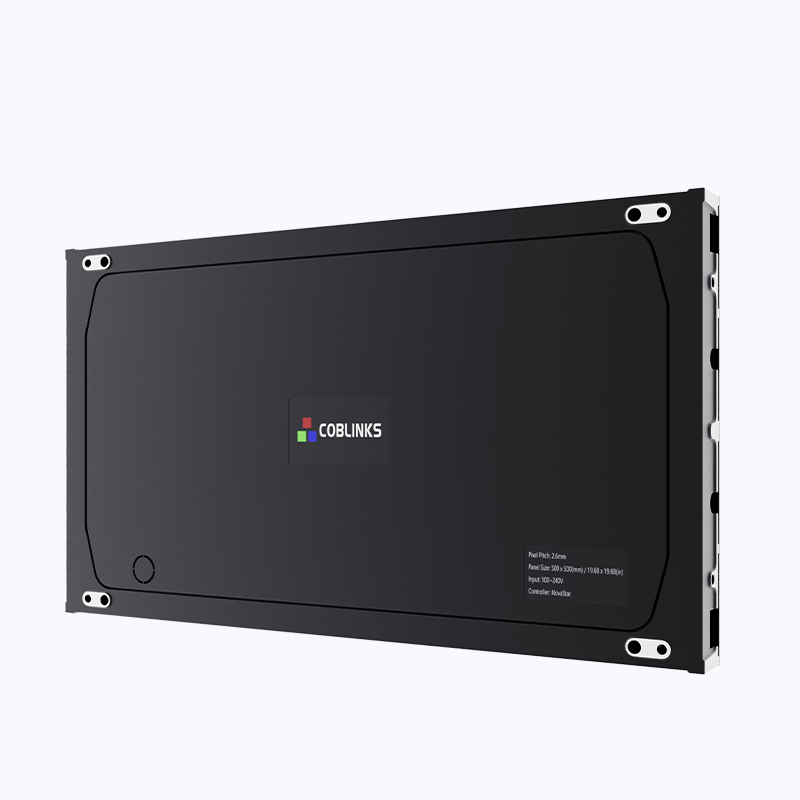
Brands vary in warranty, calibration tools and developer APIs for content control. From a front-end integration perspective, verify the controller compatibility and any SDKs required to push dynamic content. Consider whether the manufacturer supports colour profiling and offers firmware updates without lengthy field service. For installations that require very tight pixel spacing and broadcast performance, inspect the fine pitch LED display options and check module-level repair workflows—these details separate a smooth deployment from repeated maintenance calls.
Summary of practical takeaways
Match pixel pitch to viewing distance, align brightness with ambient light, and confirm service access and cabinet design for uptime. Prioritise control and calibration capabilities when your content needs precise colour and timing. When procurement runs on deadlines, test a prototype and review the brand’s spare-part logistics before committing—these steps save budget and friction later.
Advisory: three golden rules for selecting the right LED panel
1) Measure first, spec second: document viewing angles, distance and ambient lux before comparing panels. 2) Demand serviceability: opt for modular cabinets and clear access paths for quick repairs. 3) Validate control systems: verify refresh rate, HDR pass-through and any required SDKs with real content. These metrics will keep projects on schedule and preserve image quality.
Local venues from Times Square billboards to Nasdaq-style façades show how visibility and reliability translate directly into commercial value; a tested, maintainable solution reduces risk and supports brand continuity. fine pitch LED display options often seal the gap between broadcast-grade visuals and everyday usability. The practical solution comes down to aligning needs, not chasing specs—Coblinks. –