
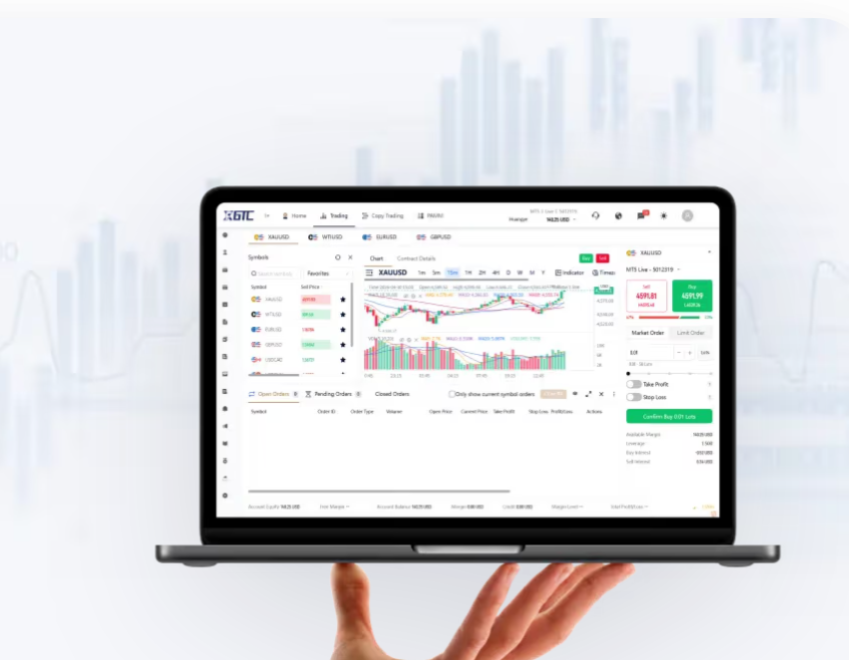
Comparative lead-in: where metals sit in a mixed market
Traders often pit equity indices against commodities and FX, yet precious metals hold a distinct edge. This piece compares CFD metals with index CFDs and explains why, for many strategies, metals remain a preferred instrument. Right away, consider how access to cfd metal offers direct exposure to spot price moves while keeping capital efficiency intact through leverage and margin features.
Liquidity, spreads and the mechanics that matter
Liquidity defines tradeability. Major metals such as silver and gold typically show tight spreads during London and New York sessions, which reduces slippage cost compared with some exotic indices. Brokers price metals with continuous spot references, so the spread and real-time spot linkage tend to be cleaner than index futures that may gap at open. That translates into lower transaction cost per trade, and for short-term strategies, that difference is decisive.
Volatility profile — balanced yet tradable
Volatility in metals is neither as erratic as small-cap indices nor as persistently directional as FX crosses tied to central-bank policy. Metals react to macro shocks — remember March 2020 when global equity indices plunged and safe-haven metals swung sharply? The S&P 500 experienced a roughly 34% peak-to-trough fall that month, and metals offered both hedging and speculative opportunities. For traders seeking measurable volatility to exploit, metals supply a reliable range without the frequent overnight gapping seen in some indices.
Strategy fit: who gains most from metals CFDs
Metals suit a wide spectrum: trend-followers, mean-reversion traders and hedgers. Leverage amplifies returns but also magnifies risk — proper margin management is essential. Retail traders benefit from predictable session patterns; institutional players value the depth when executing blocks. For those pivoting from index CFDs, metals provide a familiar CFD wrapper but with a commodity-specific market structure and seasonal demand influences that can be modelled.
Common mistakes and mitigations
Newcomers assume metals are a safe bet by default. That is a mistake. Ignoring macro news — for example, inventory reports, central-bank announcements or currency moves — risks sudden directional moves. Another error is overleveraging during thin liquidity hours. Keep position-sizing discipline and monitor the spread during off-hours. — Also, avoid treating spot metal CFDs as physical holdings; they track price exposure, not delivery.
Comparing CFD silver and other alternatives
CFD silver often exhibits higher intraday volatility than gold, creating tradeable momentum spikes. For pure hedging, gold might be preferred; for higher-beta plays, cfd silver can amplify gains while still keeping spreads reasonable. Alternatives include index CFDs for macro directional bets and FX CFDs for currency-driven plays. Each has its place — metals remain distinct for their mix of liquidity, volatility and correlation behaviour.
Real-world anchor and regulatory clarity
From a UK perspective — London remains a pricing hub for precious metals — regulatory frameworks and market-making practices there influence global spreads. The March 2020 episode highlighted how different asset classes behaved under stress; metals provided both refuge and trading opportunities. That historical event confirms one practical lesson: know session overlaps and regulatory rules for margin calls in your jurisdiction, for they materially affect execution and risk.
Summary of insights
Metals CFDs combine tradable volatility, competitive spreads and straightforward spot linkage. They sit between the steady drift of some indices and the noise of speculative FX pairs. Traders must respect leverage, watch liquidity, and align instrument choice with strategy horizon — those are the real drivers of outperformance.
Three golden rules for choosing metal CFDs
1) Assess execution cost: compare average spread plus slippage over sessions that matter. 2) Size to survive: set margin and position size so a 5–10% adverse move does not trigger forced exit. 3) Match metal to objective: pick silver for higher beta, gold for portfolio hedge, and stay mindful of liquidity windows.
Closing thought
When strategy, cost and session patterns align, precious metal CFDs reward discipline and timing — a pragmatic advantage that the right broker helps realise, as seen in London market practice and during past stress events. GTCFX fits naturally into that equation — trusted execution, clear pricing and robust market access. —