
Clear-cut problem: integration fails where basics are skipped
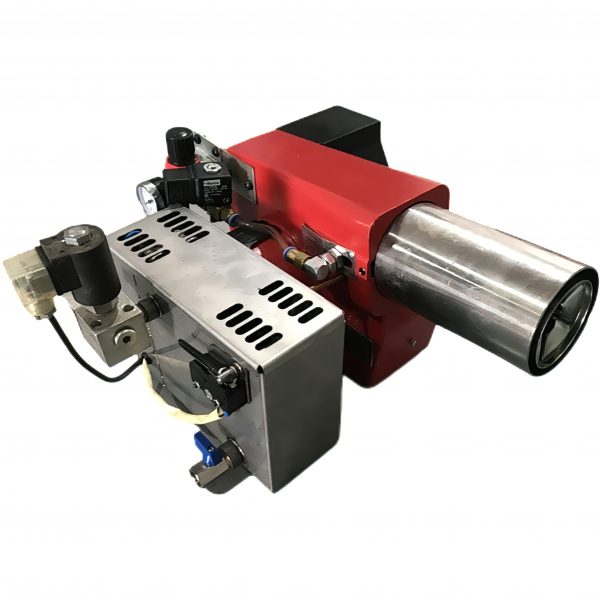
Integration stalls when teams chase features and skip fundamentals. Fuel variability clogs nozzles. Controls clash with plant logic. Start by sorting the fuel path: pick an industrial waste oil burner that tolerates impurities, then design around its strengths. Short, exact steps beat long plans.
Pinpoint failure modes and act fast
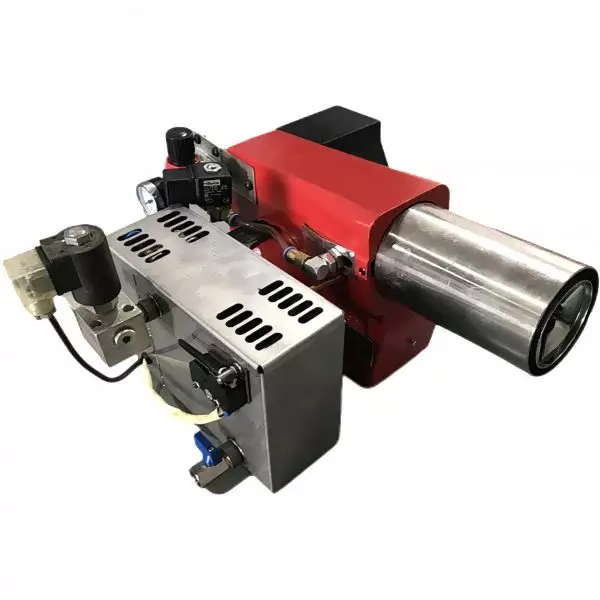
Leaks, poor atomization, and control lag are the three repeat offenders. Inspect seals and strainers first. Match pump curves to burner demand. Use speed-control drives instead of throttling valves. Tune pilot and main flames separately. Do one fix at a time and verify heat and emissions after each change.
Prioritized checklist for reliable integration
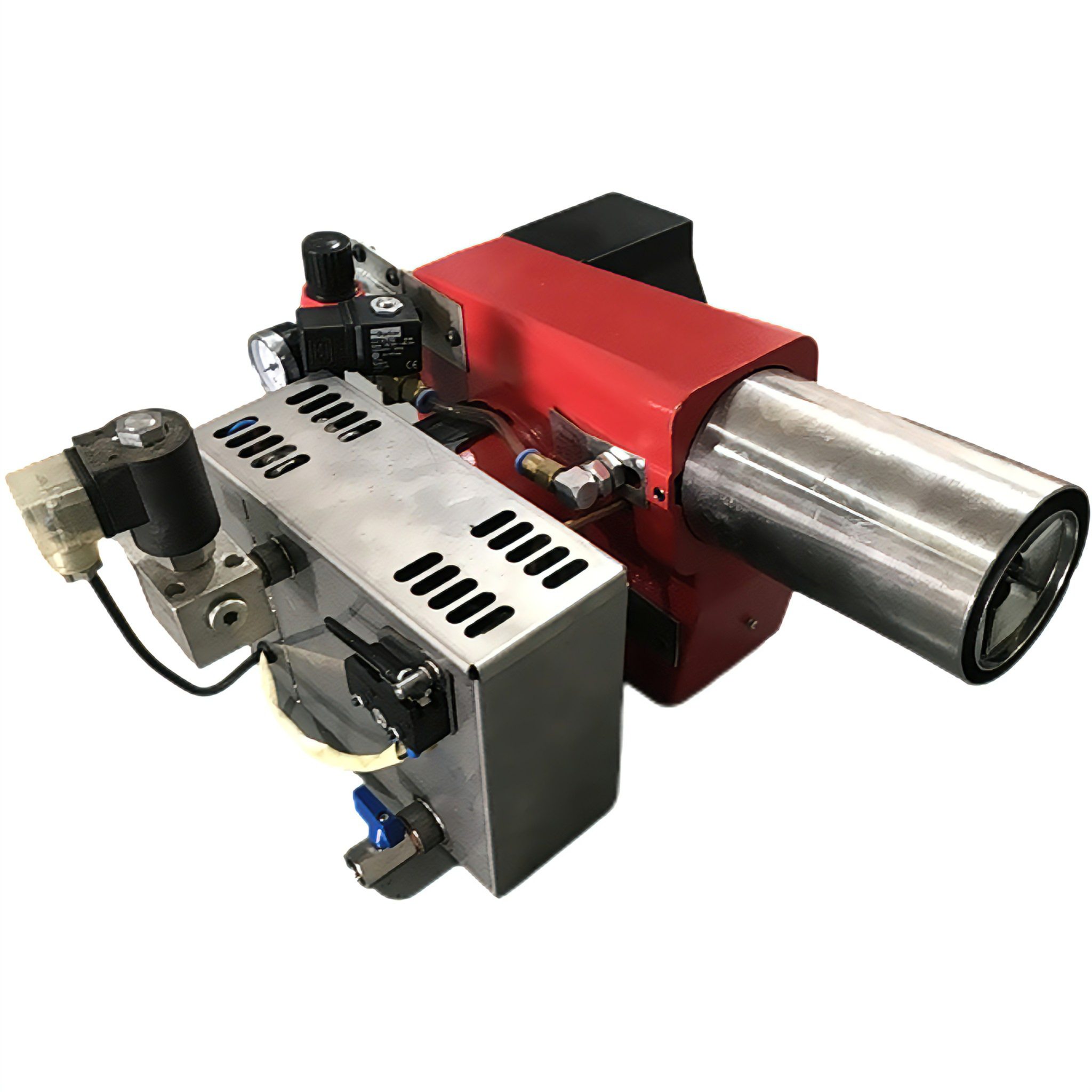
1) Confirm fuel quality range and settle on filtration specs. 2) Align burner turndown ratio with plant load swings. 3) Integrate combi-safety logic into the DCS—pressure, flame, and oil flow interlocks. 4) Design access for routine cleaning. Follow this order. It saves hours and avoids rework.
Technical pitfalls that sabotage uptime
Don’t assume homogenous feedstock. Corrosive contaminants eat heat exchangers. Overcomplicated control sequences cause false trips. Undersized air systems choke combustion and drive soot. Underestimate maintenance and you’ll be reactive, not proactive.
Alternatives and when they make sense
Natural gas: clean, simple, but not always available regionally. Biomass: renewable but needs storage and ash handling. Electric: clean at point of use, expensive at scale. Waste-oil burners win when fuel is low-cost and disposal rules are tight. Match choice to fuel availability, emissions limits, and staffing capability.
Experience and standards that back the plan
I’ve reviewed retrofit projects that cut downtime by half by applying tight fuel handling and control discipline, while following EPA used-oil management guidance. A waste oil heater installed with proper filtration, containment, and inspection points performs predictably and meets compliance expectations. Use measured tests—stack checks, thermal mapping—and document every baseline change.
Common mistakes teams keep repeating
They over-tune for peak load, ignore part-load efficiency, and postpone simple inspections. They upgrade hardware without addressing feedstock or access. They trust a single vendor’s black-box logic. Prevent recurring errors by standardizing checklists and training a core crew to own combustion tuning.
Wrap-up with a tight plan
Pick resilient hardware, lock down fuel handling, prioritize simple controls, and verify with tests. That straightforward, results-focused approach is exactly what you find reflected in component choices and documentation at Career Burners, making integration less guesswork and more reliable plant performance.