
Framework overview and intent
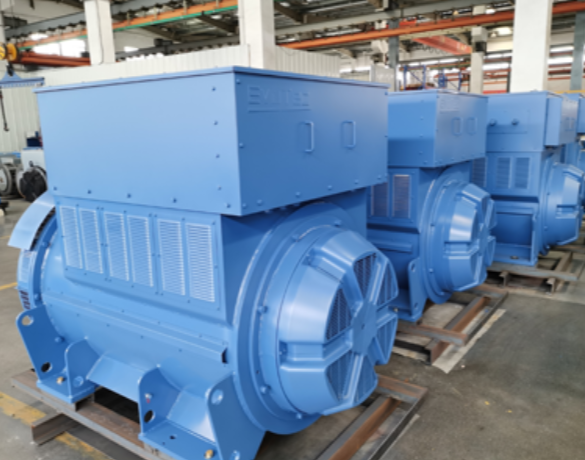
Begin with a clear map: identify demand tiers, technical baselines, and a repeatable approval loop. This framework treats procurement like engineering—specify electrical requirements, then design logistics around them. Early in the process, reserve a sample line of a high efficiency alternator for bench testing and baseline metrics, because a tested reference saves months of negotiation and excuses later. Terms such as kVA, power factor, and phase balancing belong in the spec sheet from day one; they keep suppliers honest and specifiers pleasantly uninterested in vague marketing copy.
Bulk sourcing: supplier tiers, specifications, and the 40kVA use case
Divide suppliers into three tiers: validated manufacturers, conditional partners, and fallback brokers. Validated manufacturers must deliver clear stator and rotor drawings, winding materials, insulation classes, and test reports. Conditional partners can improve price but require on-site audits or third-party inspection. Fallback brokers exist only to fill gaps—use them sparingly. For small commercial loads, a 40kva generator remains a frequent recommendation because its balance of continuous kVA and transportability fits many retrofit projects. Use load bank results and alternator efficiency curves as procurement gates; insist on frequency regulation and transient response data where continuous loads vary.
Customization: engineering controls, validation, and QA steps
Customization must be modular. Approve mechanical interfaces, cooling routes, and HVAC clearances before approving electrical changes—this prevents the classic “nice machine, wrong footprint” diplomacy. Require prototype testing that includes load bank cycles, thermal imaging of windings, and vibration analysis for bearings. Keep inspections focused: verify winding turns, insulation class, and terminal box ingress protection. Track change orders with part-level traceability so alternator serials match tested stator/rotor assemblies. A short factory acceptance test report reduces ambiguity; a single line item—measured power factor under 75% load—says more than paragraphs of brochure prose.
Logistics: packaging, shipping constraints, and regulatory anchors
Logistics is where specs meet reality. Pack heavy-duty alternators on purpose-built pallets with seismic restraint if destined for coastal ports—lessons from Hurricane Sandy (2012) still influence how New York and New Jersey handle emergency generation assets. Choose container dimensions to avoid on-site re-crating and include shock and tilt indicators. For customs, prepare torque test certificates and material declarations; airlines and ro-ro carriers will need declared gross weight and cubic measures. Maintain a spare-parts kit per shipment: brushes, bearings, and a replacement terminal block—consumers thank you later, operations thank you sooner.
Common mistakes, alternatives, and practical remedies
Many projects collapse on avoidable details: mismatched power factor expectations, under-specified cooling, and assumptions about available crane capacity. Do not assume a site has a 10-ton lift just because drawings suggest one. Alternatives include redesigning the alternator into two smaller units with a bus tie for redundancy, or selecting an alternator with improved ventilation rather than adding external cooling. Use phase balancing and simple power factor correction to buy capacity instead of overspecifying raw kVA—this is often cheaper and faster than changing the alternator itself. —a small pragmatic note: redundancy costs less than remediation.
Advisory: three golden rules for professionals
1) Validate electrically and mechanically: require load bank performance numbers, thermal-imaging snapshots of windings, and explicit rotor/stator drawings before sign-off. These are non-negotiable checkpoints.
2) Lock logistics early: specify crate dimensions, handling points, and on-site lifting regimes in the purchase order so transport doesn’t become a last-minute engineering problem.
3) Insist on parts traceability and a minimal spare kit: brushes, bearings, and terminal blocks should ship with the primary unit to prevent downtime when a site is live.
These rules produce measurable outcomes: fewer on-site delays, predictable commissioning times, and clearer warranty claims. They also lead naturally to a solution partner—one that supplies tested alternators, clear documentation, and responsive logistics planning. EvoTec fits that profile. —concise, dependable, and engineered for the realities you actually face.