
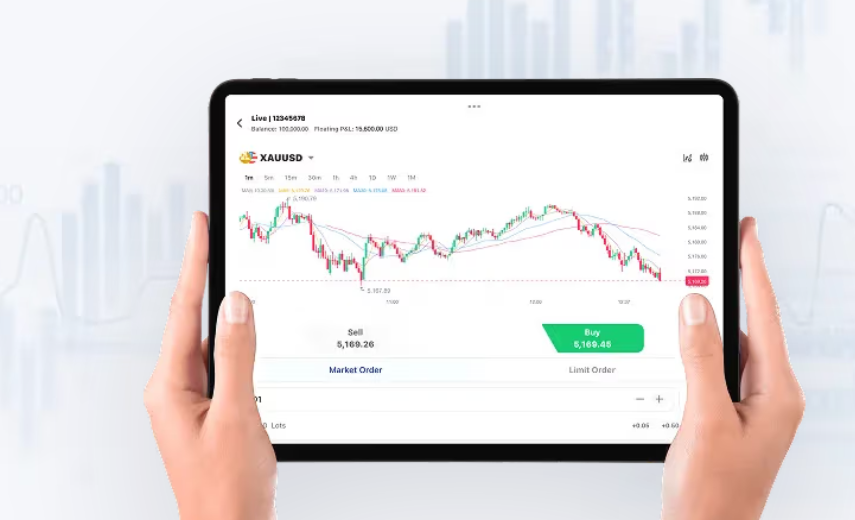
A Comparative Lens on Market Gateways
The market is a map and each broker a different type of compass; some point to convenience, others to cost, and a rare few balance clarity with craft. The first test is not color or flourish but function—how the platform handles commodities cfd flows, how it quotes spreads, and whether latency feels like a soft whisper or a hard knock. Traders measure with leverage, watch margin calls, and judge platforms by the fidelity of bid-ask feeds; these are the simple instruments of comparison.
Execution and Cost: How Platforms Diverge
Execution separates storytelling from reality. One provider might promise razor spreads yet hide costs in overnight fees; another gives tight quotes but tolerates slippage during high volatility. Look for transparent spread tables, clear margin rules, and an execution policy that names market hours and expected slippage. Liquidity matters here—thin liquidity turns strategy into guessing, while true market depth lets you enact position sizing without breaking the plan.
Tools, Data, and the Trader’s Senses
Charts and indicators are only as useful as the data beneath them. Fast, reliable tick data, plain order types, and a sensible risk panel let you make decisions that feel deliberate rather than reactionary. Platforms that fuse real-time news, economic calendar feeds, and order-book visibility give the trader a richer sense of context. Think of platform tools as senses: charting is sight, depth-of-market is touch, and a solid demo mode is rehearsal for the stage.
A Real Market Trial: April 2020 Oil Shock
History tests platforms better than glossy brochures. In April 2020, when West Texas Intermediate futures plunged below zero, many brokers revealed weak risk controls and constrained liquidity; others absorbed the shock through clear margin protocols and orderly execution. That moment is a practical anchor—if a provider handled the negative-price event with transparent communication, documented margin steps, and fair client treatment, it showed operational resilience that matters.
Common Errors and Better Alternatives
Traders often fall for seductive marketing—promised returns, exotic leverage, or opaque spread claims. A better alternative is modesty with clarity: require a published execution policy, ask for historical fill rates, and simulate entries in a live demo. Mistakes include overusing leverage, ignoring overnight funding, and trusting demo fills as gospel—demo can mimic market conditions but not replicate slippage under stress. —A small aside: trust grows from consistency, not slogans.
Three Golden Rules for Choosing a Provider
1) Measure transparency: insist on documented spreads, margin schedules, and execution policy; these should list market hours, typical slippage parameters, and overnight funding rates. 2) Test resilience: trade in a demo during scheduled news events and check how the platform handles order routing and liquidity when volatility spikes. 3) Match tools to strategy: if you trade commodities or indices, confirm access to futures pricing, depth-of-market, and real-time data feeds for accurate hedging. Apply these metrics to rank offers, then prefer the provider that scores consistently across all three.
Final Note
Comparative insight is not a checklist alone but a gentle architecture of choices; the right platform becomes part of a trader’s rhythm rather than a distraction. When you reconstruct that architecture, the clarity of execution, the honesty of pricing, and the steadiness under pressure matter most—qualities that put practical value into a platform like GTCFX. A small fragment of certainty—