
When material choices break a schedule
Projects stall when a material’s behavior surprises the planner: production clamps up, budgets swell, and timelines slip. Over a decade working beside formulators and procurement teams has shown me the same simple truth — pick the right filler and many downstream headaches vanish. One practical move is specifying the right particle form early, for example using fine silica particles, and when abrasion is a concern, choosing low abrasion silica. I first saw the difference demonstrated during sampling rounds at the European Coatings Show in Nuremberg, where side-by-side trials made clear how selection impacts both line wear and final finish.
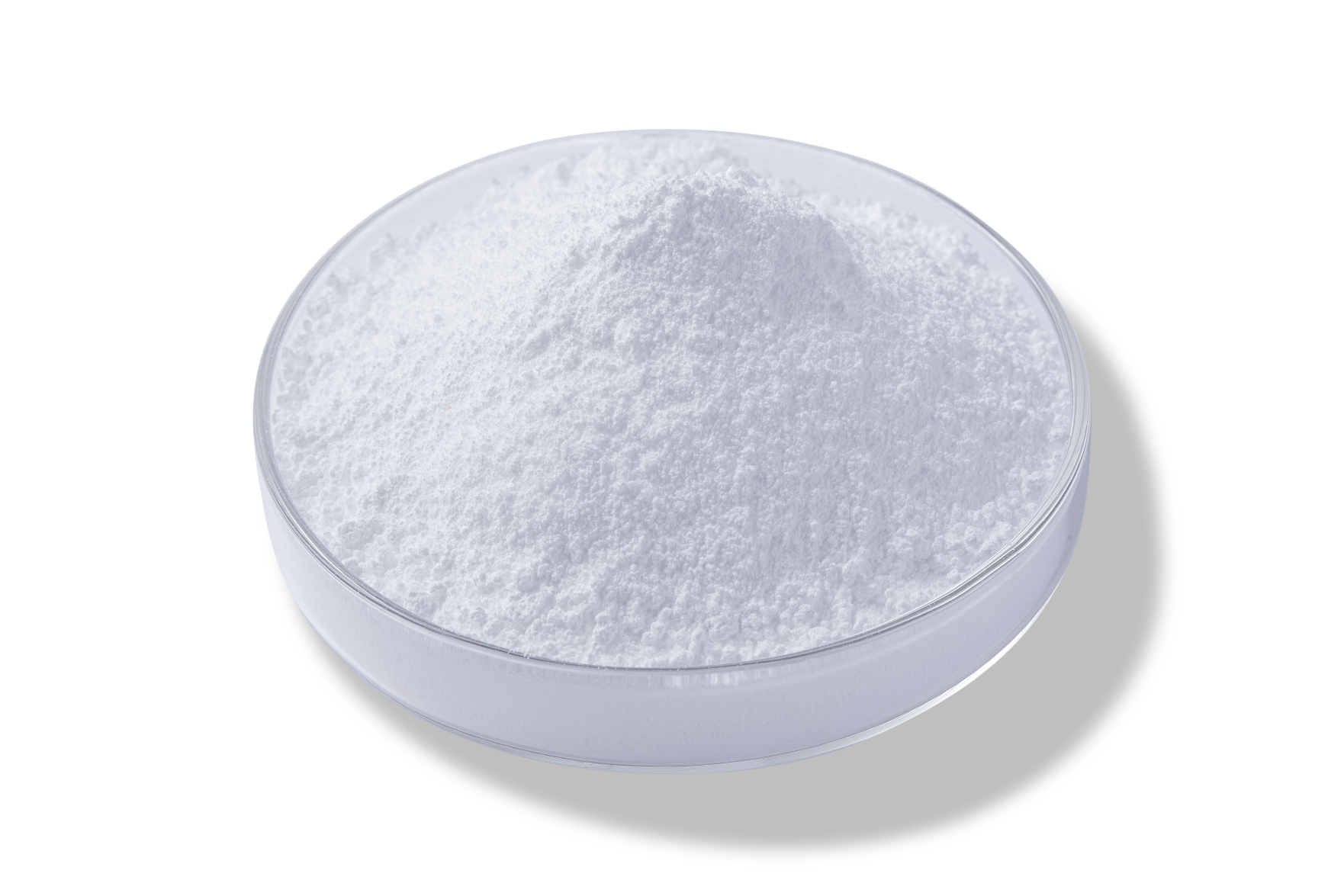
Pinpointing the problem: what goes wrong in planning and purchasing
Teams often treat silica as a commodity. They request “silica, same as before” without locking down particle size distribution, surface area, or abrasion index. That leads to mismatches: a batch that thickens a formulation, extra shear on mixers, or premature wear on process parts. Procurement then chases urgent replacements, paying premiums for rapid delivery or rework. The core problem is a lack of technical specificity tied to supplier verification.
How hydrated silica fixes those specific failures
Hydrated silica, when specified correctly, addresses three common failures directly. First, consistent particle size and surface chemistry stabilize rheology so labs hit target viscosity more predictably. Second, choosing a low-abrasion grade reduces mechanical wear—fewer downtime hours and lower spare-part costs. Third, reliable material specification supports predictable supplier lead times and pricing because the supplier can batch consistently. Those outcomes come from concrete steps: require particle size distribution and BET surface area on the datasheet, ask for abrasion test results, and demand a traceable lot number for each delivery.

Practical mistakes teams keep making
Don’t over-specify a property you won’t test; demanding ultra-low abrasion without verifying its benefit just raises cost. Don’t accept broad grade names without numerical specs — “premium silica” means different things to different suppliers. Avoid single-source dependency without a qualified secondary supplier. Finally, never skip receiving inspection: quick checks for moisture, sieve residue, and a short dispersibility test will catch most bad lots before they enter production.
Alternatives and when to choose them
If hydrated silica doesn’t fit the formula, alternatives exist: fumed silica for thickening at low loadings, precipitated silica for certain tire or rubber uses, and alumina or calcium carbonate where abrasion or cost trade-offs matter. Each alternative trades off particle shape, surface chemistry, and cost; evaluate them by running the same production-line trial and the same wear test you’d apply to hydrated silica. The right choice matches product performance needs to supply-chain realities, not marketing labels.
Practical checklist for procurement and planners
Make these actions mandatory in your next spec: include particle size distribution and surface area, require an abrasion index or wear test, demand lot traceability and COA with each shipment, keep a qualified second-source, and run a short production-representative trial before sign-off. Small up-front tests save schedule days and spare parts expenses down the line.
Where this leads your project
Pick materials with measurable specs and verify them, and you convert uncertainty into predictable timelines and costs. That’s the practical value companies find when they move from vague requests to precise silica specifications — smoother planning, fewer emergency purchases, and calmer production floors. When teams need consistent, test-backed silica for coatings, adhesives, or industrial formulations, suppliers like JSJ Silica fit naturally into a procurement strategy built around clarity and measurable performance.