
Introduction: A Shift You Can Measure
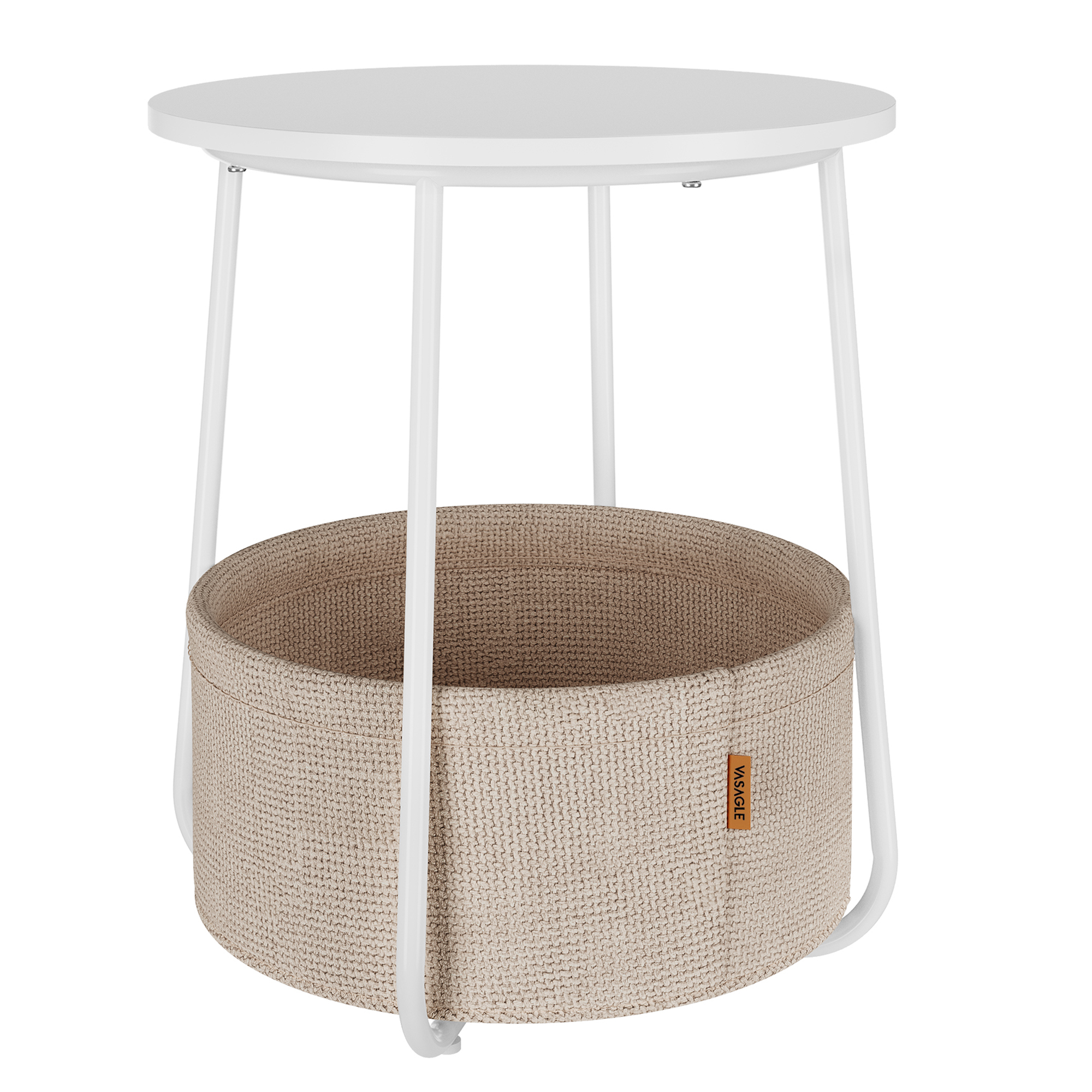
The supply chain is now a design tool. In a live project review, a buyer tweaks a finish, swaps a fastener, and checks unit economics on-screen—before the sample even exists. End table manufacturers feel that same shift on their factory floors, where choices once made late are now made up front. For teams comparing a wholesale end table range, the effect is concrete: lead times fall, defects drop, margins hold (and stress eases). In one UK roll-out, reported rework fell by 19% while average change orders shrank by a third. But here is the rub: speed alone can mask weak specs and brittle processes. Are we simply moving faster, or are we building smarter?

This article takes a comparative lens. We will weigh old habits against newer methods—and the data behind both. The aim is simple but serious: find the levers that compound quality and cost, not just pace. Right then, let’s trace the mechanics behind the gains and see where the real constraints live—because they do.
Under the Surface: Where Traditional Sourcing Trips Up
Where do the gaps really hide?
Look, it’s simpler than you think. Classic buying routines treated a catalogue as fixed and “good enough.” They also split tasks: design here, production there, inspection at the end. That split hid variance. On a typical wholesale end table program, colour drift between batches can push delta E past target, even when samples looked fine. Hardware swaps creep in when local stocks run thin. Load testing is done late, so failures cost more. And MOQ pressure bloats the range, so SKU rationalisation happens after money is already tied up. In short, many fixes arrive after the invoice—funny how that works, right?
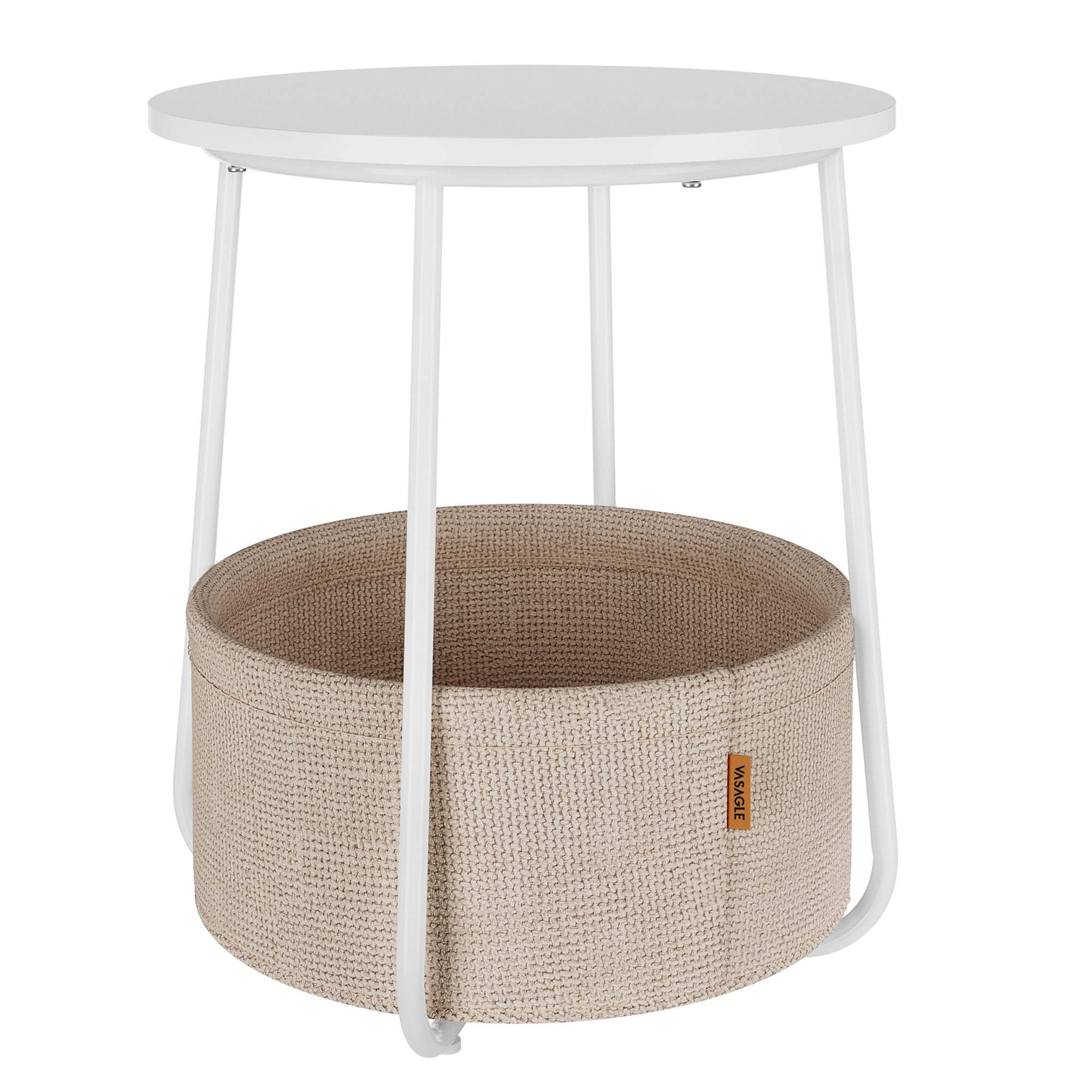
A technical pass shows why. Without tight parametric drawings, CNC routing tolerances stack, and edge banding gaps show under light. A powder coating line can vary cure temps hour to hour, nudging gloss off spec. If charging is built in, mismatched power converters raise heat and shorten life. None of this is mysterious; it is about how and when control is set. Move spec control upstream and monitor it in-line, and the cost curve bends. Keep it late and paper-based, and issues hide until freight leaves. The difference is not heroic innovation. It is clean process geometry and timely data, applied with discipline.
Forward-Looking: Principles That Keep Quality and Cost in Sync
What’s Next
Let us step ahead and compare practice to principle. Newer builds use digital twins for frames and tops, then lock tolerances into the BOM so change is traceable. Sensors on jigs feed simple metrics, not dashboards for show. Edge computing nodes can log temperature swings at the powder booth, while in-line probes spot coating thickness drift. If you spec wireless charging, certify the module and matching power converters as a unit, not parts, and validate heat under load. The result is dull on purpose: fewer surprises, cleaner audits, and first-pass yield that moves up, not sideways.
Consider a balanced partnership with a seasoned china end table supplier. The comparative advantage is no longer only labour cost. It is process visibility: PPAP-style sign-offs, golden samples tied to revision control, and factory-level SPC that flags drift before a batch ships. Semi-formal is the right tone here—because the method is practical. You align on critical-to-quality points, agree the test ladder, and set a light telemetry loop. Then measure. And yes, that matters—because it stops small flaws from growing big.
To wrap, use three metrics when you choose designs, partners, or platforms: 1) Tolerance stack-up, in millimetres across joints and fasteners, verified at pilot and at scale; 2) Finish stability, tracked by delta E variance and gloss units across real shifts; 3) First-pass yield against load testing, with root causes logged and closed. If a solution boosts all three, it is worth your time. If it hides one, it will cost you later. Keep the process plain, make the data visible, and let the numbers decide. For further reference and steady practice, see SONGMICS HOME B2B.