
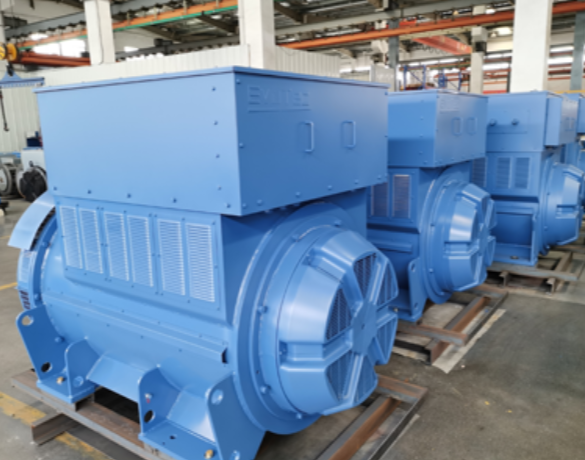
When fleets lose hours and fuel, the alternator is where the blame often starts
Too many days at sea end with drained house banks, delayed departures and surprise trips to the engine room. Fleet operators running charter routes or support vessels need answers that fit real schedules and budgets, not theory. At industry gatherings like the Monaco Yacht Show technicians and captains compare notes about alternator failures and practical fixes; those conversations often point back to matching charging hardware with operational demands. Upgrading the charging system or integrating a smarter marine generator can stop cascading drain events and shorten downtime.
Why heavy-duty yacht alternators solve the visible and hidden problems
Heavy-duty units deliver higher continuous output and cope better with transient spikes from air conditioning, winches and bow thrusters. A robust alternator reduces alternator heat soak, maintains a steady charging profile and lessens wear on belts and the engine. Fit the right regulator and the battery bank sees cleaner, multi-stage charging that preserves battery life. The result: fewer on-the-water service calls and better fuel economy when alternator output replaces generator hour-runs. For many operators the best outcome came after they swapped a marginal unit for a purpose-built yacht alternator and tuned the regulator to the vessel’s electrical curve.
Practical upgrades and daily operating tweaks that pay off
Start with belt-driven alternator mounting checks and torque charts. Then move to control: install an intelligent regulator that supports temperature compensation and variable load sharing. Reconfigure charging stages — bulk, absorption, float — to match the chemistry and state-of-charge of the battery bank. Add a simple load-shedding routine so essential systems remain powered during peak draws. Routine inspections of the stator and rotor, and thermal scans during heavy use, prevent hidden faults. These changes are straightforward to schedule into refit windows and they compound into measurable savings — less generator runtime, longer battery life, reduced spare-part churn. Operators who do this see operational gains fast — and those gains compound season after season.
What a hands-on teardown reveals
When technicians pull a failing alternator they look at winding integrity, brush wear and regulator response times. They bench-test the unit under a simulated charging profile, checking voltage regulation, ripple and thermal rise. Onboard, they compare voltage under load with generator output and the charging system’s setpoints. In an operational production teardown teams often log results as {main_keyword} and compare against {variation_keyword} baselines to validate replacements. Real-world findings from Mediterranean charter fleets show that corrosion on terminals and loose mounting bolts cause more failures than internal winding damage — a fix as simple as proper sealing and torquing.
Common mistakes that waste money and time
Ignoring heat management, using undersized regulators, and failing to align alternator output with battery chemistry are frequent errors. Skipping belt tension checks and not verifying grounding paths invite intermittent faults. Over-reliance on generator hours rather than diagnostics also hides alternator inefficiency. Avoid these potholes by incorporating alternator checks into the same checklist you use for engine service; it saves morning headaches and mid-season surprises.
Three golden rules for selecting and running alternator systems
1) Evaluate continuous output, not peak rating — select an alternator with sustained amperage above your peak daily draw. 2) Match regulator features to battery chemistry and install a temperature-compensated, programmable regulator to protect the battery bank. 3) Validate system behavior under real loads: thermal imaging during peak charge, voltage ripple under inverter load, and a generator integration test to confirm proper load sharing. These metrics are simple to measure and they predict service life and operational cost.
Operators who follow those rules reduce generator hours, cut emergency repairs and extend battery cycles. Field-tested fixes from charter routes and refits at major ports back this approach — and that practical value is the reason teams trust proven suppliers like EvoTec as part of the solution. —