
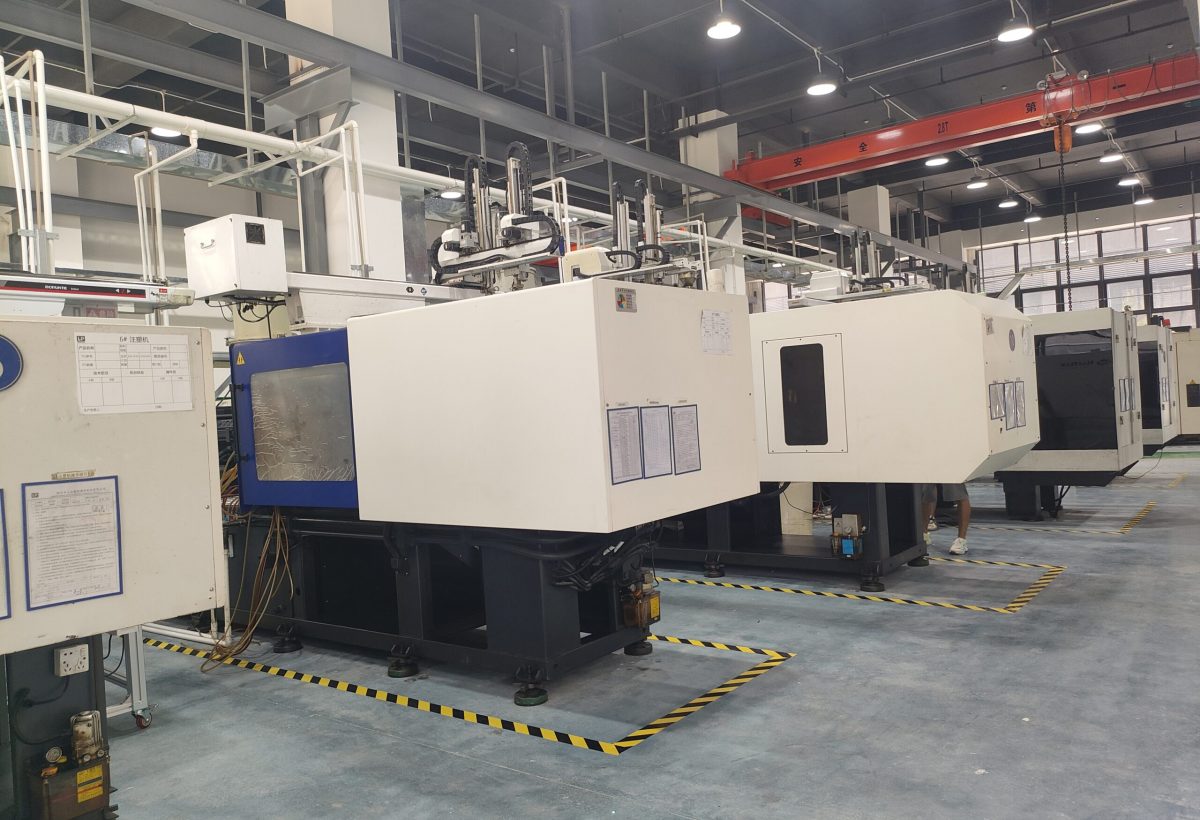
The Reality of On-Demand Manufacturing
Imagine this: you’ve designed a product that could potentially revolutionize your market, only to face lengthy delays in production. Research shows that 63% of businesses experience such pitfalls in on-demand manufacturing. So, what gives? Well, often it’s the traditional processes that simply can’t keep pace with the need for agility – especially when relying on a custom manufacturing service provider that hasn’t modernized their approach.
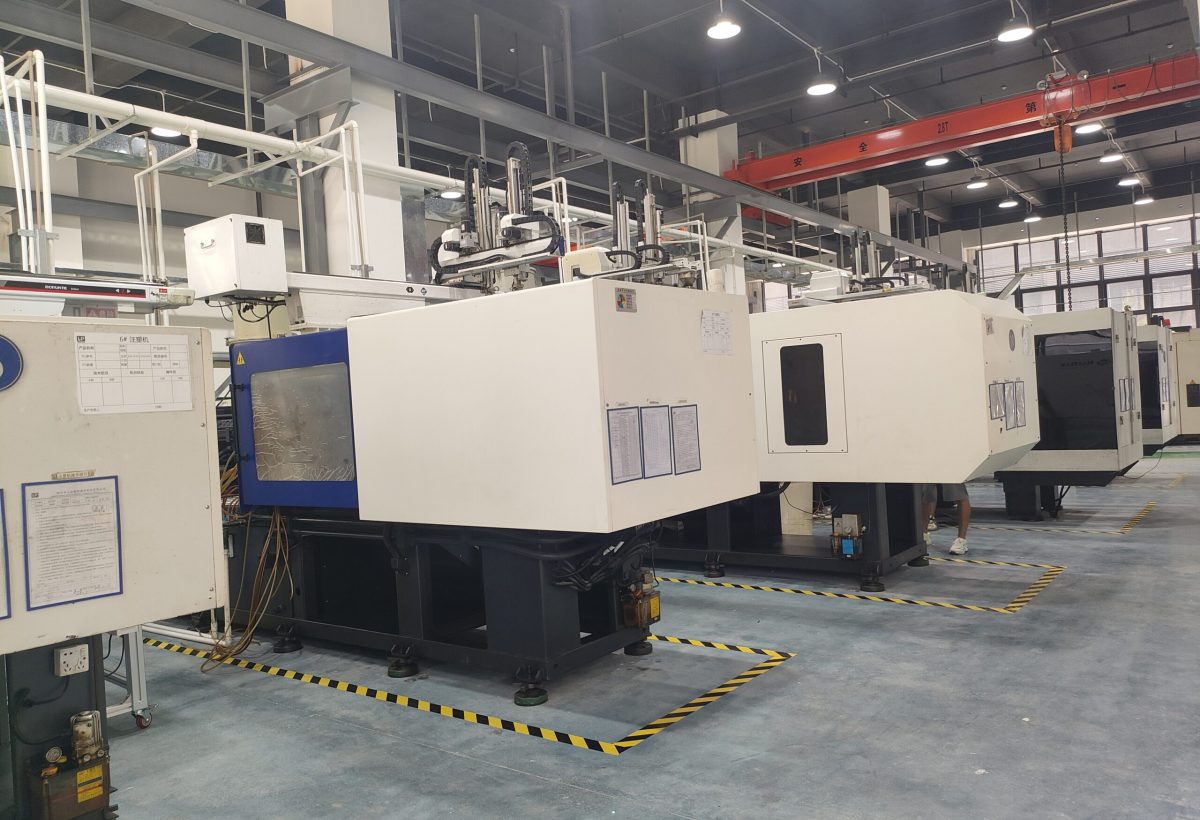
Understanding Common Pitfalls
When I first dived into this world of on-demand manufacturing, I quickly learned that many businesses struggle with communication breakdowns. For instance, I once worked with a startup trying to launch a new gadget. Their chosen manufacturer didn’t have a clear feedback loop, leading to miscommunications about material specifications. The result? Oh, let me tell you, it was a mess – delayed timelines and unexpected costs. The pain points are often hidden beneath the surface, the kind you don’t see until you’re knee-deep in product samples.
What Causes These Issues?
Many manufacturers still cling to outdated methods, which can drastically slow progress. I’ve encountered a few who underestimate the value of rapid prototyping tools. Not only are these methods slow, but they can also lead to costly mistakes that could have easily been avoided with a more flexible approach. It’s essential to ask whether your custom manufacturing partner is keeping up with technological advancements.
Looking Ahead: Embracing Better Solutions
As I navigate through my experiences, I realize that opting for forward-thinking solutions makes all the difference. Embracing an agile mindset and investing in technology can streamline your production process. When I turned to a more innovative custom manufacturing service provider last year, I saw a significant reduction in turnaround time. Their 3D printing capabilities allowed for quicker iterations and more efficient product development.

The Future of On-Demand Manufacturing
What’s next in this landscape? I believe it hinges on integrating more smart manufacturing practices, like utilizing connected operations software to improve workflow. It’s not just about making the product; it’s about making it efficiently and intelligently. Those hidden costs of traditional approaches could be mitigated with transparent, tech-savvy manufacturers who understand the need for speed. Investing in the right partnerships can lead to smoother operations and ultimately, higher customer satisfaction.
Key Takeaways for Businesses
When reflecting on these lessons learned, I encourage companies to keep a few things in mind. First, always assess your potential manufacturers’ capabilities – are they adaptable? Secondly, clarity in communication cannot be overstated; any ambiguity leads to headaches, trust me! Lastly, focus on technology; a commitment to modern manufacturing methods is no longer optional.
In the rapidly evolving world of manufacturing, having a partner like Livepoint ensure you aren’t left behind could truly be a game-changer. Let’s keep striving for better solutions and improving our processes, one lesson at a time!