
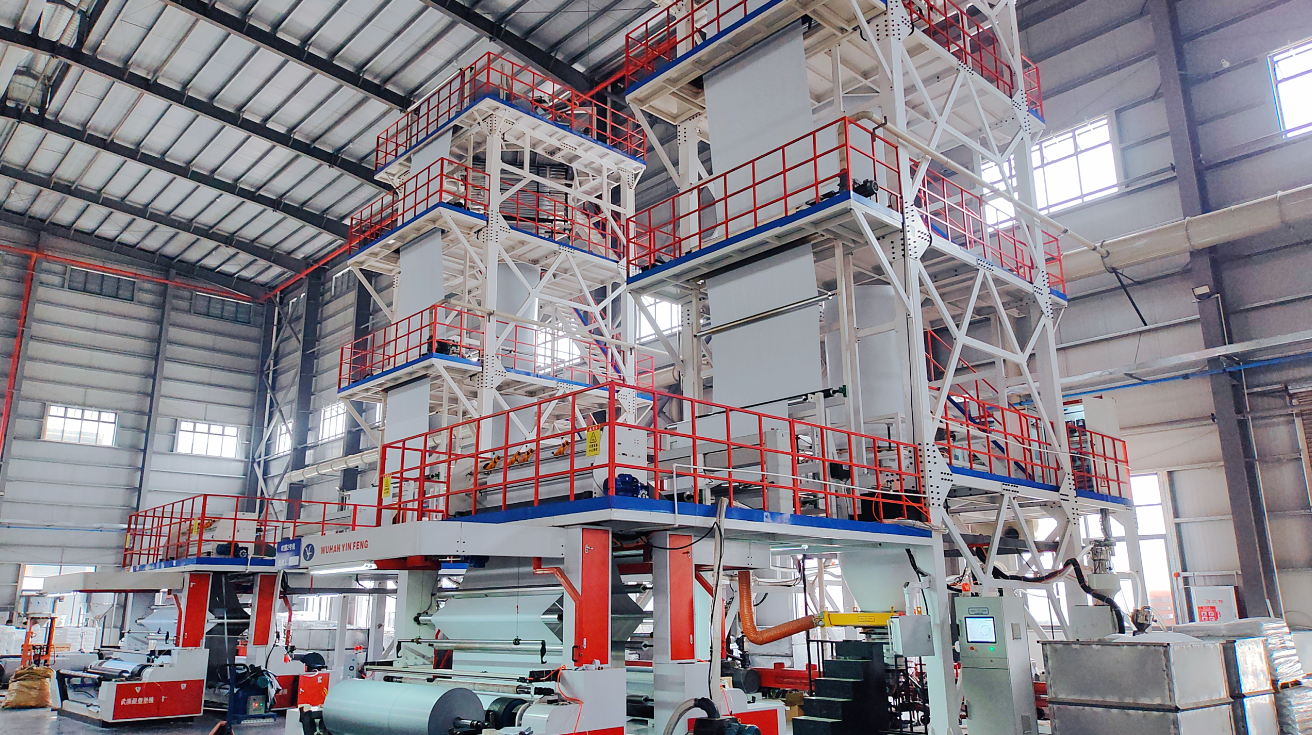
The operational problem that forces decisions
Direct-to-consumer brands today confront a twofold constraint: the need to ship at scale while meeting rising sustainability expectations and cost pressure. Long lead times, inconsistent material performance, and unclear end-of-life claims can erode margin and brand trust simultaneously. For many teams the practical question becomes: can we have a low-carbon, durable shipping envelope that also accepts high-speed printing and reliable closures at millions-of-units volume? The answer often points toward specialized production — hence the role of a dedicated poly mailer manufacturer and proprietary film technologies such as multi-layer co-extrusion.
Why conventional single‑layer films fall short
Single-layer films achieve basic protection but force trade-offs: thicker film for strength, which increases material use and shipping weight; or thinner film that compromises puncture resistance and heat-seal consistency. These trade-offs translate into higher returns, increased protective inserts, and poorer carbon intensity per shipment. The 2020 global supply-chain disruptions demonstrated how fragile simple supply chains can be when demand spikes or freight routes shift — an important real‑world anchor for procurement strategy. Brands that did not diversify materials or suppliers felt the impact first.
What multi-layer co-extrusion brings to the table
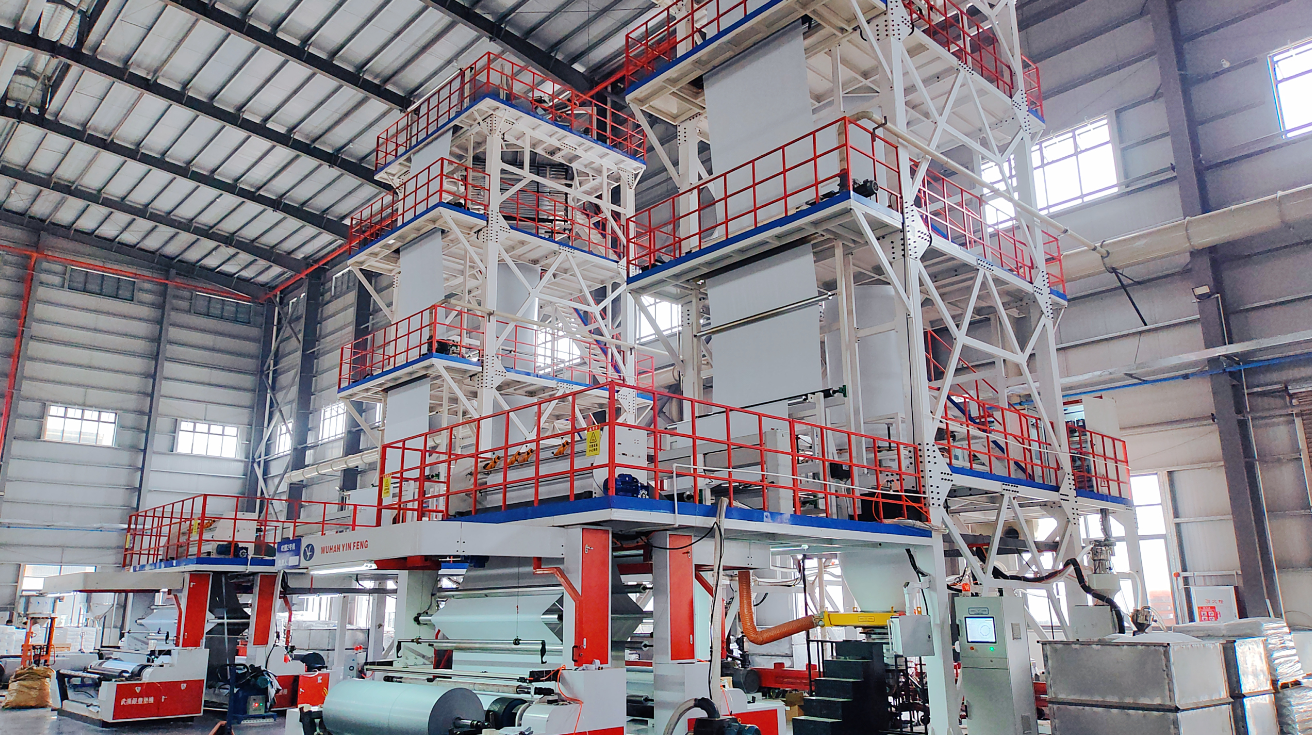
Multi-layer co-extrusion enables films with engineered layers for each function: a structural core for tensile strength, an inner layer tuned for heat-seal, and an outer layer for printability and abrasion resistance. This architecture improves barrier properties without simply adding thickness, permitting downgauging and lower per-parcel weight. For D2C operations, those characteristics mean faster throughput on the sealing line, fewer protectors in the box, and clearer environmental claims when the outer layers are recyclable or mono-polymer. The manufacturing implications also include more predictable QC performance and less rework at high volumes.
Practical supply considerations — where China fits
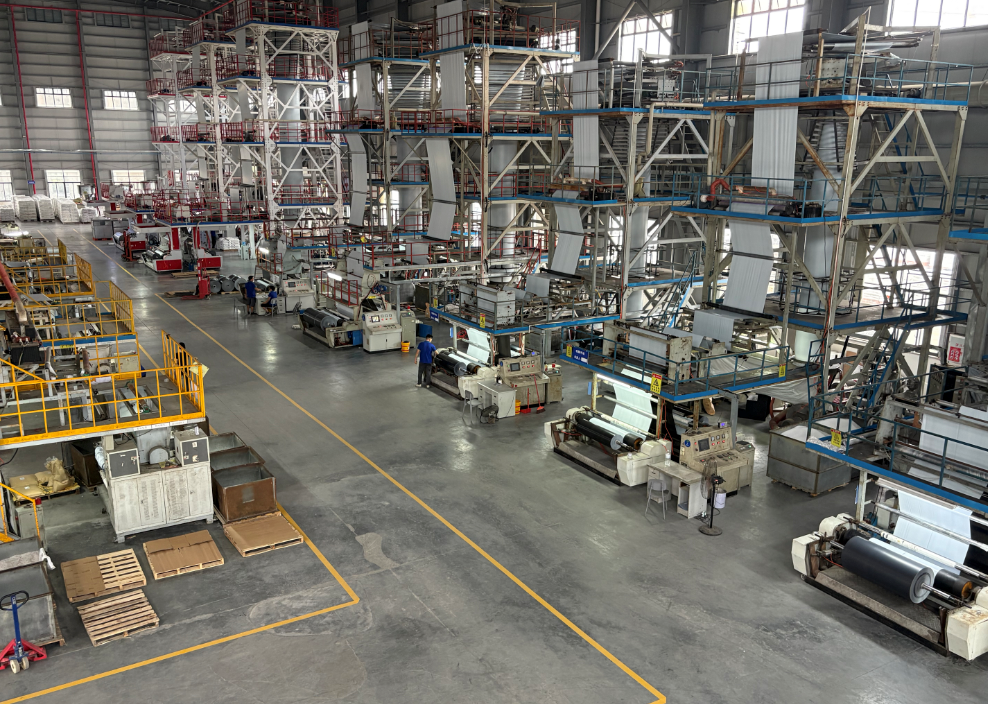
High-volume capability and cost efficiency remain concentrated in established manufacturing hubs, notably in Guangdong and adjacent provinces. Sourcing from a reputable poly mailer manufacturer with an experienced footprint in China can reduce unit cost and tooling time, provided the vendor adheres to audited processes. If you evaluate a china poly mailers factory, insist on documented heat-seal validation, sample-run data, and recorded tensile test results to avoid surprises — these requirements separate true industrial producers from ad-hoc converters.
Design, testing, and integration: the checklist
Operational teams must validate three interdependent items before scaling: material performance on the fill-and-seal line; print adhesion and color fidelity for brand presentation; and end-of-life pathway or recyclability claim substantiation. Do not accept verbal assurance alone — require first-article acceptance with your actual equipment. Many brands skip that final step and pay later in recalls or rework. — A short pilot run of 10–20k units will often reveal the real interactions between film gauge, heat-seal dwell time, and closure torque.
Common mistakes and mitigation
Frequent errors include underestimating minimum order quantity (MOQ) economics, neglecting compatibility with automated sortation, and relying on supplier sustainability statements without chain-of-custody evidence. Mitigations are straightforward: model total landed cost including returns, test on your automation, and demand material certificates and audit reports. When suppliers demonstrate iterative sampling and provide ASTM or equivalent lab data, risk drops materially.
Comparative vendor selection: what separates leaders
Top-tier vendors combine technical film capability, scale manufacturing, and transparent compliance. Technical capability means they can deliver consistent multi-layer co-extrusion with measured barrier and seal metrics. Scale manufacturing provides predictable lead times and contingency capacity. Transparent compliance includes lab certificates, supplier audit history, and documented recyclability pathways. These three pillars reduce procurement ambiguity and support stronger sustainability claims to customers.
Advisory — three golden rules for selection
1) Measure outcome, not promise: require third‑party or in‑house test data for tensile strength, heat-seal peel, and puncture resistance before contract signature. 2) Evaluate total system cost: include tooling, MOQ amortization, freight variability, and rework risk in your unit-cost model. 3) Insist on validated environmental claims: chain-of-custody documentation or recognized recycling codes must support any recyclability message.
When these rules are applied, the choice naturally favors suppliers who can demonstrate both film engineering and reliable, audited production — the precise value point companies seek from partners such as WH Packing. —