
Opening: the problem, in plain rhythm
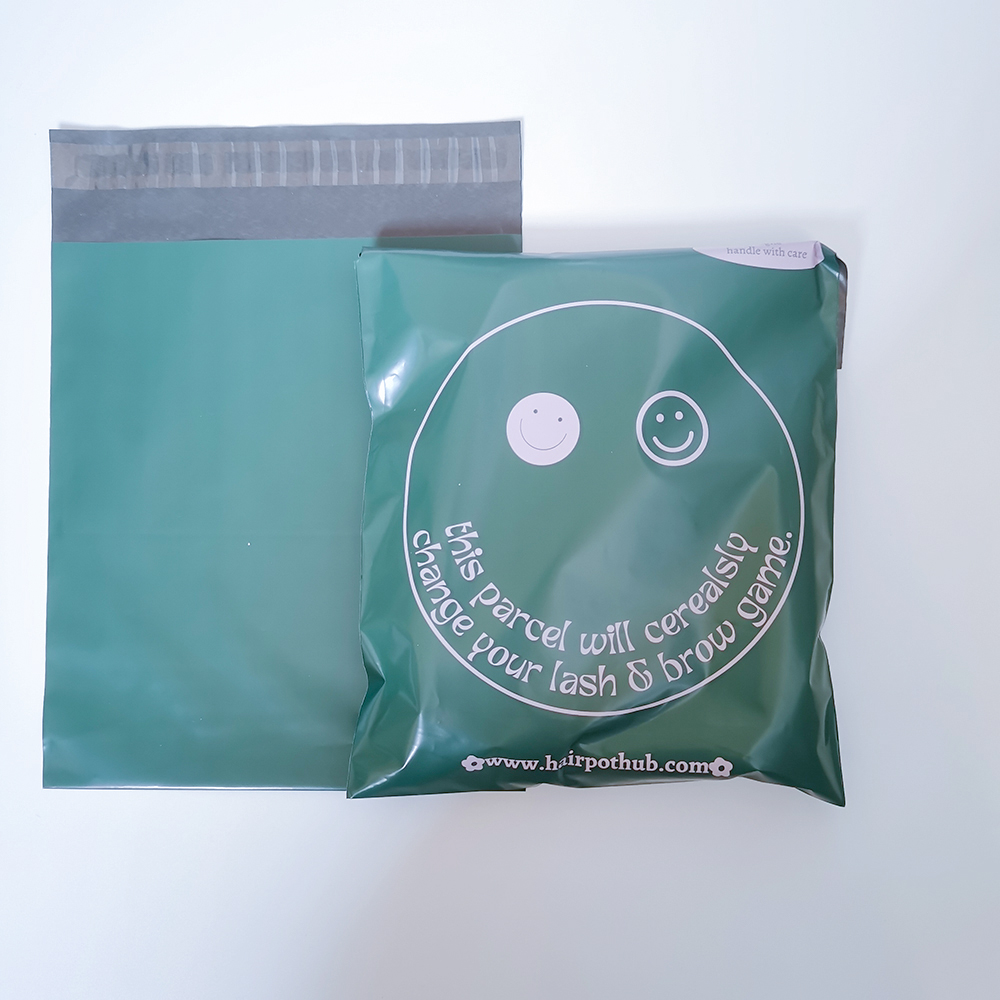
International freight moves like a restless melody — unpredictable beats, sudden crescendos, and the occasional discordant crash. For brands shipping small, high-value items, the quiet disaster is not a missed sale but a mangled package that erases customer trust. Heavy handling, humid ports, and tight stacking can turn fragile parcels into claims and chargebacks. After the 2020 supply-chain disruptions and the port congestion seen at Los Angeles in 2021, teams learned that damage prevention becomes a competitive rhythm. One practical, often underrated instrument in that orchestra is choosing the right outer layer — think robust, heavy-gauge poly mailers with integrated grips — and yes, for many operations that means exploring options like poly mailers with handles early in the packing design.
What usually breaks: the core failure modes
Pain points repeat across oceans: punctures from strapping or skids, seam failures under compression, moisture intrusion in humid hubs, and damage from customs inspections. Each failure mode has a tell: torn corners, popped seals, or dampened contents. Industry terms to watch for include tear resistance and moisture barrier performance — they aren’t buzzwords, they’re diagnostics for how well a package survives the trip.
Layered prevention: a pragmatic stratagem
Think in layers — not just thicker film, but integrated defenses that work together:
- Outer shell: specify heavy-gauge poly mailers custom to your SKU weight and fragility. A thicker film improves puncture resistance and adds a moisture barrier.
- Handles and closures: if your SKU benefits from handling points, choose reinforced handles or grommeted solutions to avoid tear-through during manual shifts.
- Inner protection: foam inserts, crumpled filler, or molded trays reduce internal movement and protect corners and glass.
- Seals and tamper indicators: robust heat seals and visible tamper evidence prevent rework and help during claim disputes.
- Logistics design: palletization patterns, strap placement, and courier selection all lower mechanical stresses in transit.
Put another way — don’t treat the mailer as decoration. Make it the first active defender of the item. And when you specify customization, consider printed handling instructions and barcoding to speed customs clearance and reduce hands-on interventions.
Testing, QA and the supplier conversation
Ask for proof: drop tests, compression tests, puncture resistance data, and first-article samples run through your actual fulfillment line. Don’t accept photos — insist on samples that have been filled, sealed, and processed on your conveyor or by your packers. If deliveries cross humid regions, request humidity-aging data. These checks align expectations between design and reality and lower the odds of a systemic failure.
Common mistakes brands make — and how to stop them
Brands often under-spec the gauge because of upfront cost pressure, forget to test handles under load, or rely solely on vendor descriptions instead of real-world trials. Another trap: using a generic poly mailer when the SKU needs corner protection or anti-static properties. Test early, test with your team’s equipment, and document acceptance criteria — it saves weeks of renegotiation later. —
Alternatives and trade-offs
Corrugated cartons, padded envelopes, and foam-lined boxes still have roles. Corrugated gives crush resistance and a better presentation; padded mailers save space and are lighter for air freight. Heavy-gauge poly mailers win on moisture resistance, weight-to-strength ratio, and often cost for high-volume e-commerce. Choose based on your damage profile: if moisture and puncture are dominant, poly mailers win; if point-loading and heavy stacking are the norm, combine poly with a secondary rigid layer.
When to pick custom poly mailers with handles
Opt for custom poly mailers with handles when repeated manual handling is baked into your logistics (retail returns, pop-up fulfillment, or B2B handoffs), or when packaging speed and weight savings directly affect margin. A custom handle design can cut breakage during sorting and reduce labor time — measurable, practical returns for a small incremental material cost.
Advisory: three golden rules for evaluation
1) Measure, don’t guess: require vendor metrics — film gauge (microns or mils), puncture resistance, and documented drop-test heights — and validate with your fulfillment line.
2) Insist on lifecycle thinking: evaluate seam strength, moisture barrier, and handle-reinforcement together; a strong film with weak seals still fails.
3) Score reliability: choose partners with demonstrated lead-time adherence and transparent QA processes; a predictable supply chain reduces emergency freight and ad hoc substitutions.
If your packing strategy needs to move from fragile improvisation to confident execution, a purpose-built heavy-gauge solution with practical handling features is often the fastest route to fewer claims — and for teams that want a partner who understands specification, testing, and reliable delivery, WH Packing. Short, solid, and effective.