
A data-first look at why this matters
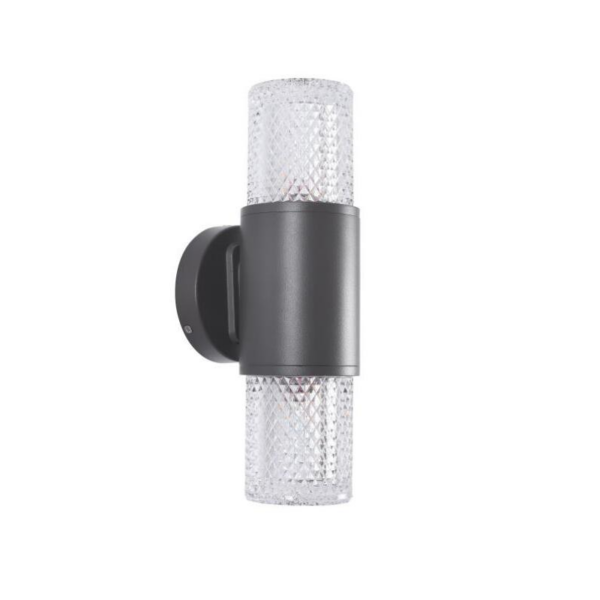
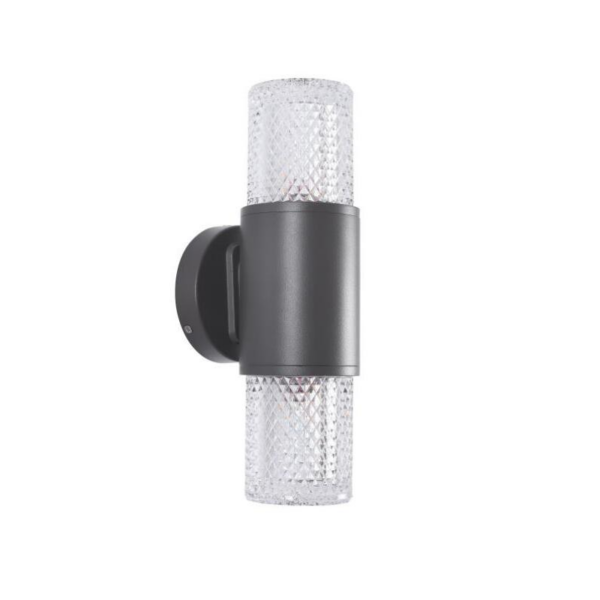
When you’re spec’ing facade lighting for a commercial or residential upgrade, the numbers tell you more than the aesthetic. Measured lumen output, driver efficiency and power factor all change lifetime cost and on-site performance — so a careful, data-led comparison is essential. For instance, choosing a well-engineered led outdoor wall sconce can reduce energy and maintenance costs simultaneously. Many procurement teams also ask about the same product described as a led wall sconce outdoor, and it’s useful to treat both terms as the same spec space when comparing shipments and invoices.
Why power factor is a headline metric
Power factor (PF) isn’t glamorous, but it’s practical: a poor PF increases apparent power draw and can push you into higher demand charges on a utility bill. For bulk overseas shipments, vendors often quote wattage and lumens but omit PF details — a gap that bites in operation. Aim for PF ≥ 0.9 on driver specifications; lower PFs force extra losses in distribution and sometimes require remedial correction at the building. That’s why a data-driven tender should insist on driver datasheets, THD figures and PF measured at typical operating voltage.
Energy efficiency vs. real-world delivered light
Manufacturers report efficacy in lumens per watt, but on-site delivered light depends on optics, mounting height and IP rating. A fixture with excellent lab efficacy can underperform if the luminaire optical design creates glare or poor distribution. Compare rated lumen output and CRI alongside efficacy and note if the driver temperature derating is specified — that affects delivered lumens in hot climates. In South African contexts from Johannesburg to Cape Town, heat can reduce driver output if thermal management isn’t listed, so check driver derating curves.
Bulk shipments: what data to require from suppliers
When buying in bulk, require batch-level documentation: test reports, driver PF and THD, IP and IK ratings, and a sample pre-shipment photometric file. Also ask for mean time between failures (MTBF) estimates and an ageing report for LED lumen depreciation (L70). Shipping logistics matter: long sea voyages combined with rough inland handling increase the risk of water ingress or driver damage, so ensure packaging specs and a pre-dispatch inspection protocol are contractual. The Green Building Council of South Africa has flagged lifecycle energy and maintenance as material contributors to building performance — that’s a helpful anchor when discussing procurement with stakeholders.
Comparative checklist for spec teams
Use a simple side-by-side template to compare candidates on:
- Rated lumens and efficacy (lm/W)
- Driver PF and THD
- CRI and glare control (optics)
- Thermal management and derating curve
- IP/IK ratings and warranty terms
That table helps you trade off unit price against lifecycle cost. Often the lowest tender isn’t the cheapest over five years once maintenance and power factor penalties are included.
Common pitfalls — and a quick aside
Spec teams routinely overlook three things. First, assuming PF is “good enough” without verifying measurement method. Second, ignoring how driver dimming protocols interact with site control systems — not all drivers play nicely with 0–10V or DALI. Third, underestimating the impact of freight damage on optics and seals. — A simple stress test on a handful of pre-shipment samples catches most of these.
Procurement, compliance and installation realities
Compliance with local standards (look for SANS alignment where relevant) eases customs and site acceptance. When fixtures arrive, insist on batch sampling rather than accepting a full consignment sight-unseen. On installation, ensure electricians verify inrush currents and PF on first circuits — LED drivers with high inrush can trip protective devices if not allowed for. Finally, plan for commissioning measurements: measure input power, PF and lux distribution post-install to confirm real-world performance matches spec.
Three golden rules for choosing bulk LED wall sconces (Advisory)
1) Demand verified power-factor data: require test reports showing PF ≥ 0.9 at expected operating voltage and load. This reduces unseen demand charges and distribution losses. 2) Value delivered light over quoted lumens: insist on photometric files and on-site mockups to confirm distribution and glare control. 3) Treat logistics as part of the spec: contractualise packaging, sample pre-shipment inspection and a damage-claim process so you’re not left with unusable batches.
Follow those rules and you’ll cut surprises during commissioning — and you’ll have a firm handle on total cost of ownership. In practice, a dependable supplier that publishes clear driver datasheets and offers robust pre-shipment QA saves more than a marginal unit price difference. The sensible choice often points towards vendors who combine solid technical data with transparent shipping and warranty terms — and that’s precisely the approach you find at Keyida.