
Introduction
I once rode a small ferry that smelled of salt and old oil, and it made me think about how we push boats today. The electric motor sat on a bench beside the dock, quiet and compact — a sharp contrast to the diesel rattle I’d just left. Data shows that marine electrification projects cut local emissions by up to 80% on short routes, and I keep asking: how fast can we make that the norm? (I mean, who wouldn’t want cleaner air by the harbor?)
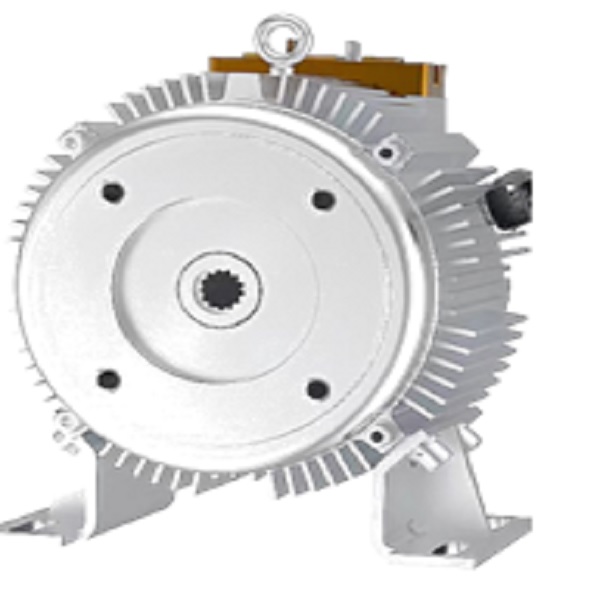
Let me be blunt: an electric motor changes the whole feel of a boat. You get instant torque, lower vibration, and simpler controls. But speed of change is not just about swapping engines. We need better power converters, smarter control loops, and real-world tests. So, where do we start — and what should we expect next? This sets us up to dig into deeper technical faults and real user headaches in the next section.
Hidden Flaws and User Pain Points in Boat Motors
Boat motors promise lots of benefits, yet many owners still face stubborn problems. I want to explain plainly: the old designs suffer from thermal limits, inefficient cooling paths, and unpredictable torque ripple. These are not just words on a spec sheet — they show up in shorter runs, overheating, and uneasy steering. Stator heating and rotor imbalance are common culprits. Field-oriented control helps, yes, but only if the sensor and power electronics are matched right. Look, it’s simpler than you think: mismatch causes current spikes, and then the power converters trip. — and that kills the quiet ride we all hoped for.
Why does this keep happening?
First, many boat builds trust legacy cooling systems that were never tuned for high continuous loads. Second, installations often ignore harmonic currents from poor inverter tuning, which accelerates coil aging. Third, end users rarely see clear maintenance cues — the noise rises, the range drops, and they assume the battery is to blame. I’ve been on decks where owners blamed the prop, but the rotor clearance was off by millimeters. These pain points matter because they erode trust in electrification. If we don’t fix them, adoption slows — and that’s a shame.
New Technology Principles and a Practical Outlook
Here I switch gears and look forward. I want to give you three practical principles that are changing how we design electric marine drives. First, integrated thermal management pairs the stator with dedicated cooling channels. Second, advanced control strategies — like sensorless field-oriented control and predictive torque control — reduce torque ripple and improve efficiency. Third, modular power converters let you scale systems without redesigning the entire drive. I find these approaches realistic and actionable; they don’t require magic, just careful engineering and good testing — funny how that works, right?

What’s Next — Real-world impact?
In practice, that means a boat refit where we swap a legacy engine for a compact electric unit, then update the inverter and add temperature sensors at critical points. The result: quieter cruising, longer component life, and measurable fuel savings. We should measure success with three metrics: sustained thermal performance (can it run at rated load for hours?), system-level efficiency (kWh per nautical mile), and maintainability (how easy is fault diagnosis and repair?). I recommend these because they reflect real use, not just lab claims.
To close, I’ll say this plainly: I believe electric drives will dominate short to mid-range marine work, but only if designers stop treating electronics like afterthoughts and start tuning systems together. We must focus on cooling, converters, and control as one package. For practical choices and components, I often look to established suppliers who provide matched modules and solid documentation — for example, check out electric motors that come with full specs and support. If you want guidance on evaluating a system, use those three metrics and insist on real sea trials. At the end of the day, we want boats that feel right, last longer, and keep the water cleaner — and I’m ready to help steer that change with you. Santroll