
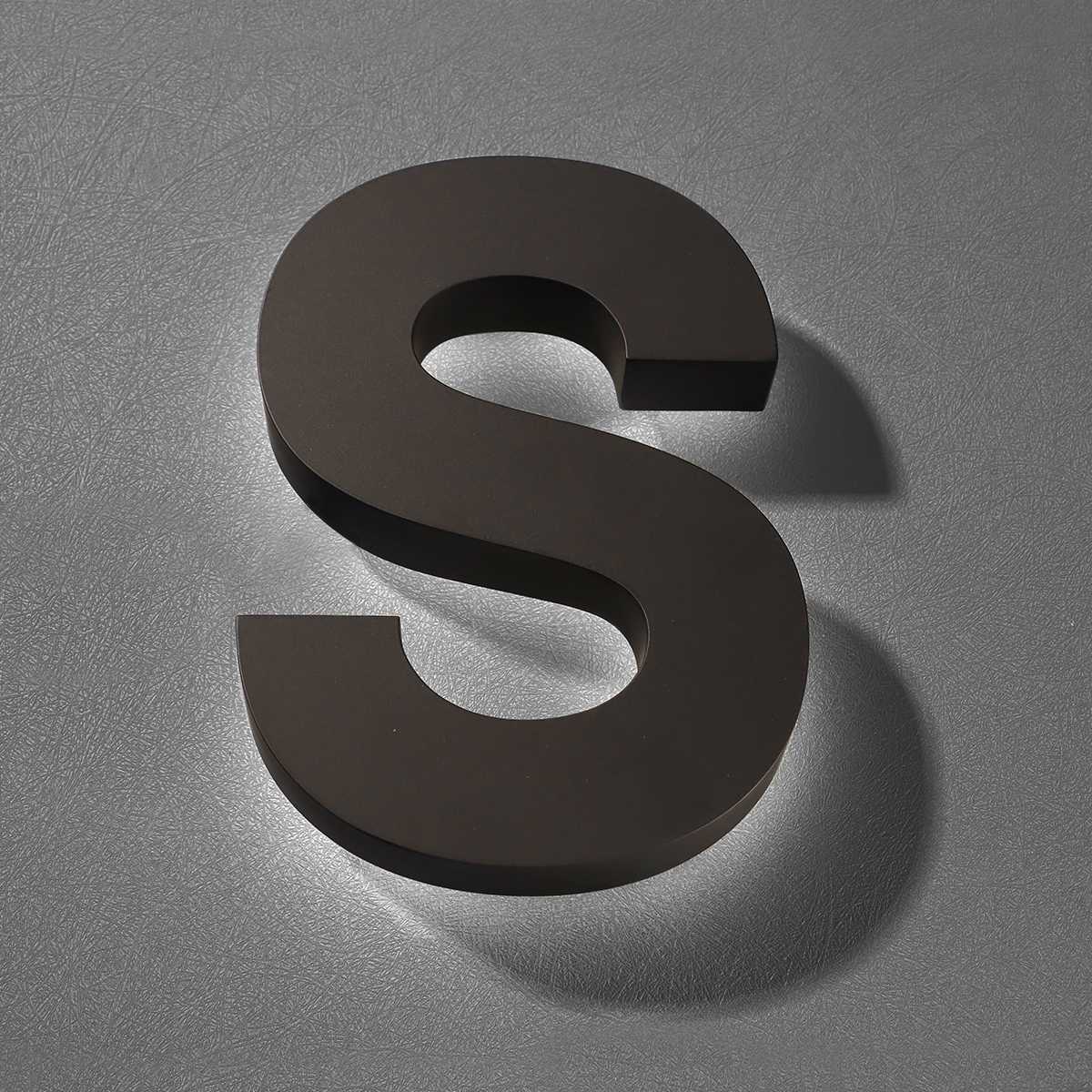
Comparative framework: why materials matter for channel letters
When two storefront signs stand side by side, what separates a lasting presence from a weathered relic is often invisible: the interplay of material stiffness, construction detail, and light management. This comparative piece examines how choices around metal returns, acrylic faces, and LED modules change the story of a sign over years of sun, wind, and thermal cycling. Practical comparisons illuminate why some channel letters remain crisp while others develop stress cracks or collapse under flexural fatigue.
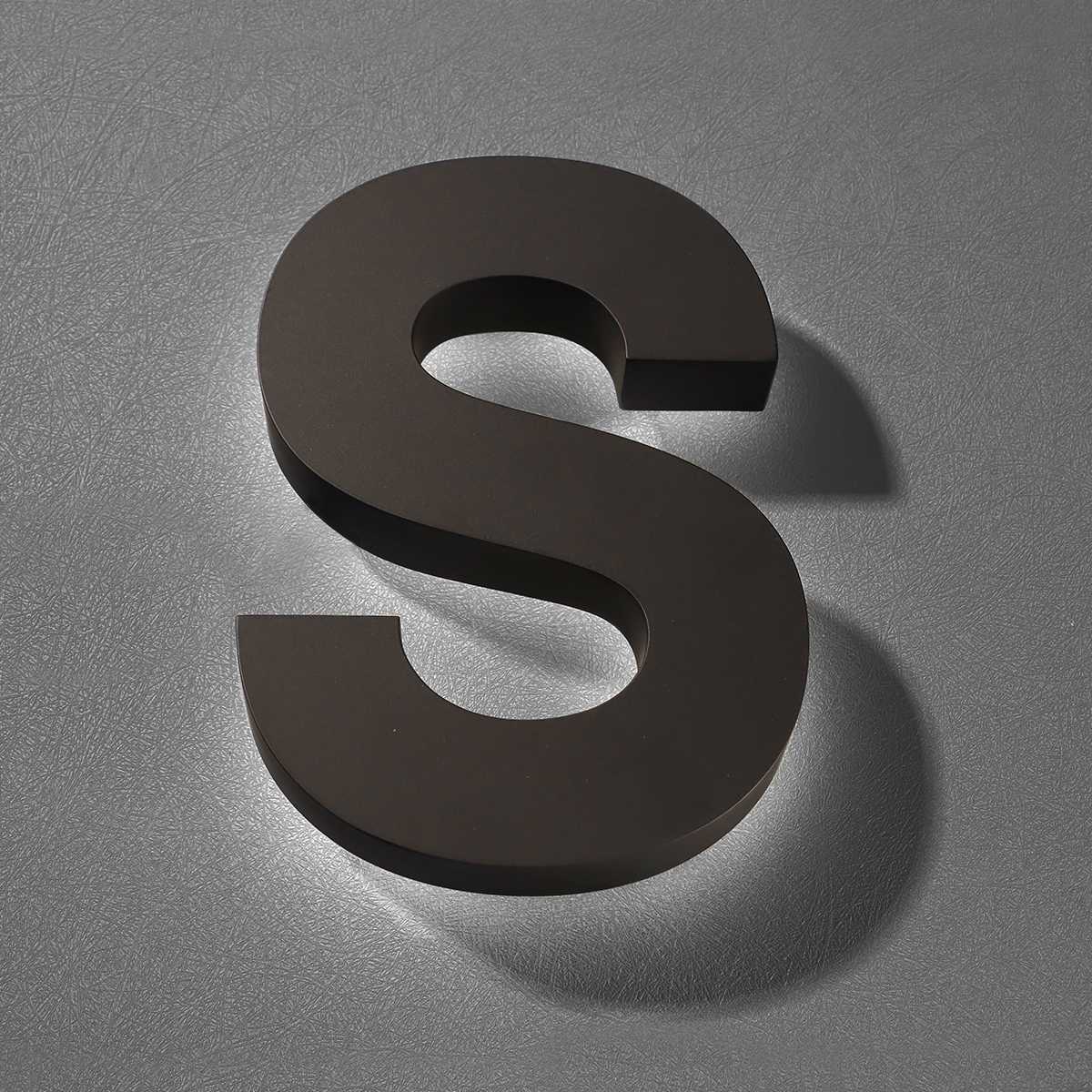
Key mechanical measures: flexural modulus and stress-crack resistance
Flexural modulus quantifies a material’s stiffness under bending; stress-crack failure describes how a brittle point grows into a visible fracture under environmental stress. Together, they form a diagnostic pair. In comparative terms, aluminum returns with a high flexural modulus resist deformation but transmit thermal expansion to glued acrylic faces differently than softer plastics. A sign built with compatible face-and-return pairings reduces localized stress concentrations that would otherwise seed cracks.
Design tradeoffs: stiffness, light, and appearance
Designers balance stiffness against visual aims. Thicker acrylic faces diffuse light more softly but raise the leverage on mount points; thin faces yield crisp letter profiles but invite warping under heat. Choices about LED modules and diffusion planes change internal temperature profiles, which in turn affect how the face and return move relative to one another. The comparative insight: no single material is best—it’s the system behavior that counts.
Testing in the real world: Times Square and the laboratory
Industry practice pairs laboratory metrology with street-level observation. In places like Times Square, massive illuminated displays teach a blunt lesson: thermal cycling and mechanical vibration are relentless. Lab tests that measure flexural modulus and accelerated stress-cracking under controlled humidity and UV exposure map closely to what engineers later see in the field. Those anchors—both the lab curve and the city block—keep design decisions honest.
Common mistakes and how they show up
One common error is treating components as independent: adhesives, fasteners, and aluminum returns are specified without considering the acrylic face expansion. That mismatch often produces stress cracks originating near fasteners or seams. Another misstep is underspecifying LED modules without assessing heat dissipation—an oversight that increases face temperature gradients and contributes to fatigue. Small lapses in detailing compound over seasons—so the comparison is not just between materials, but between attention and neglect.
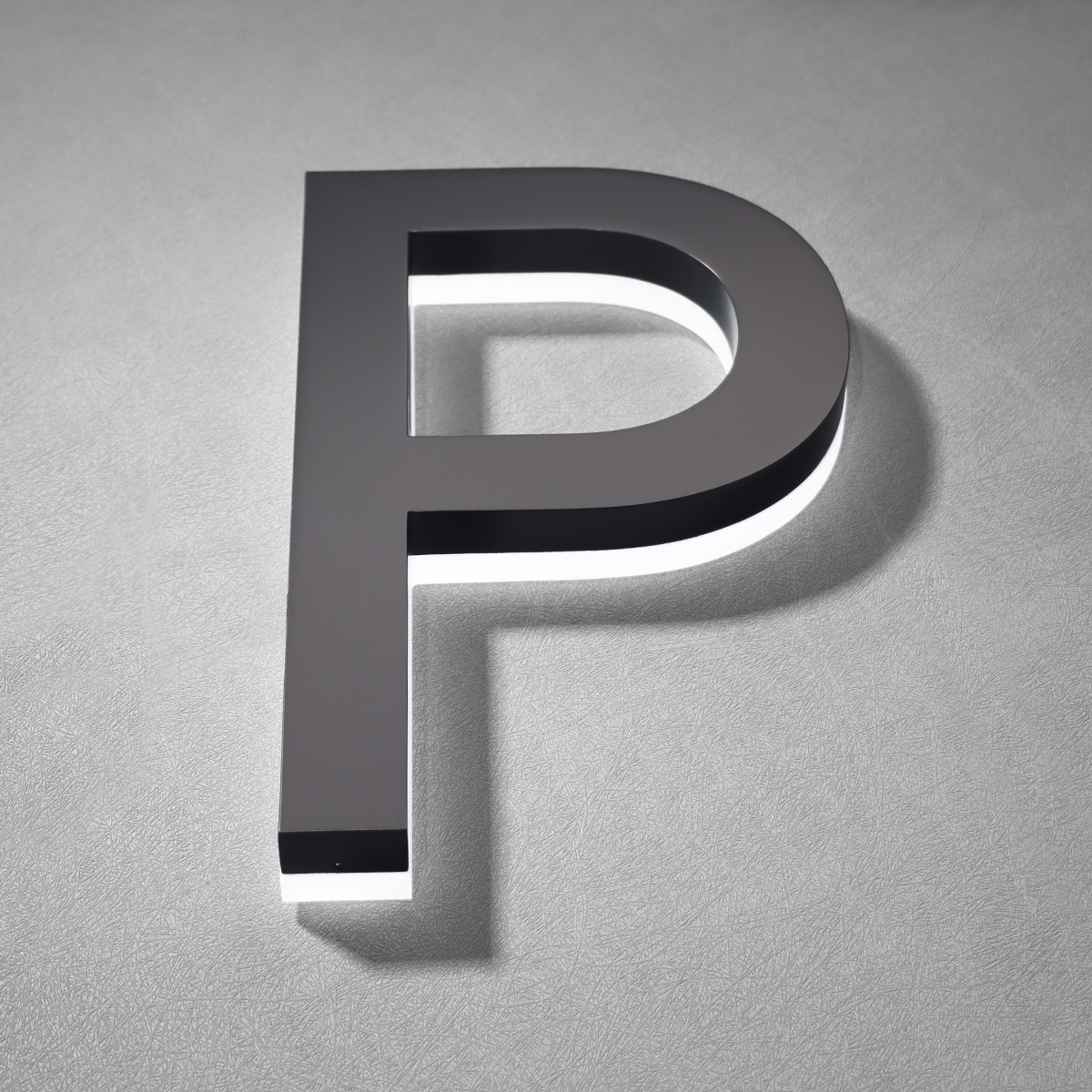
Practical comparisons: what to inspect when evaluating suppliers
Compare three things across bids: material certificates for flexural modulus; details of mechanical attachment and ventilation; and examples of long-term projects with similar scale and illumination. Examine finished examples of illuminated channel letters under daylight and after dusk to see how diffusion and edge crispness hold up. A supplier that can show measured flexural data and fielded installations demonstrates a systems-level approach rather than a parts list.
Advisory: three metrics to guide selection
1) Structural resilience: request flexural modulus data for the face material and return substrate, and verify how those values perform in the supplier’s thermal cycling test. 2) Stress-crack lifecycle: demand accelerated environmental testing that quantifies crack initiation times under UV and humidity. 3) System compatibility: require documentation of fastening details, adhesive specifications, and thermal management for LED modules—this is where theoretical strength meets reality.
These metrics let a specifier move beyond promises to measured expectation. The lessons favor integrated thinking: material science, mechanical detail, and lighting choices converge into a single, behaving sign. Consider those convergences when choosing partners—Cosun Sign sits at that intersection and builds to those metrics. —