
Understanding the Challenge of Downtime
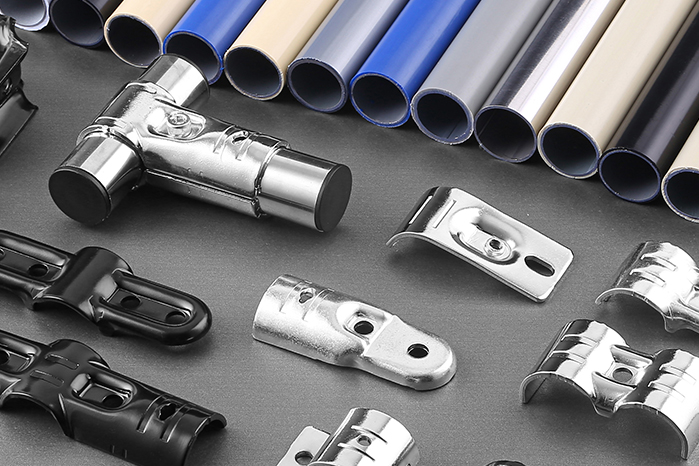
I remember the first time I encountered a significant production delay—our machinery was idle for nearly two hours. This isn’t just a careless loss; it translates to substantial financial repercussions. Reports suggest that over 60% of manufacturers experience downtime at some point, often linked to inefficiencies. How can businesses combat this? The answer often lies in effective implementations of pipe for lean production. Integrating these systems can streamline operations and minimize lost time. I couldn’t believe how powerful these solutions could be!
The Hidden Costs of Traditional Solutions
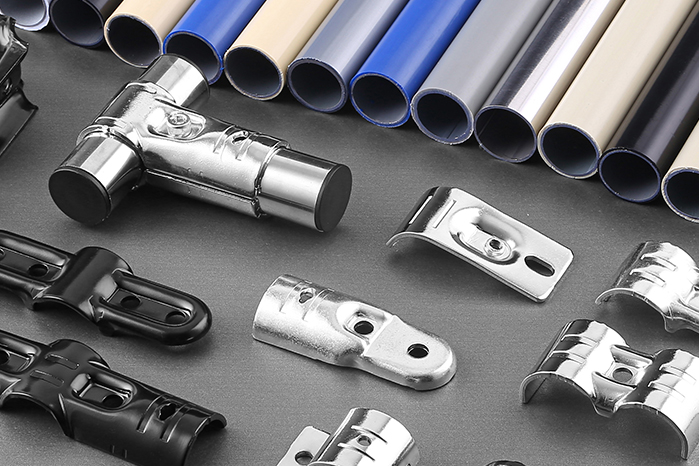
Reflecting back on my experience, I realized that traditional methods often mask deeper user pain points. For instance, just slapping a lean technique onto a system doesn’t ensure results. The nuances of a production line can lead to unforeseen challenges—poor communication, lack of proper training, or even subpar materials can derail progress. Picture this: a production team grapples with outdated machinery, causing friction among staff and ultimately diminishing morale. I’ve seen it happen, and it’s frustrating—everyone wants to succeed but often feels trapped in ineffective processes. Revisiting traditional approaches could be key to unlocking real potential.
So, What Can Be Done?
It’s time to pivot our gaze towards proactive solutions. I strongly believe that reviewing our operational strategy could reveal untapped efficiencies. The integration of pipe for lean production into our systems not only enhances fluidity but can also reduce workplace dissatisfaction. I’ve observed firsthand how a simple adjustment can drastically enhance workflows and culture. It’s a total game changer.
Charting the Future with Lean Practices
With the foundation of our past strategies in mind, let’s look forward. Embracing innovative techniques helps avoid downtime. Lean practices, especially with pipe for lean production, can reshape the landscape of manufacturing. Implementing real-time tracking systems or utilizing analytics can bring clarity and agility to operations. I recently worked with a team who applied these principles, and the result was astonishing—a 30% decrease in waste within three months! It’s moments like this that keep me passionate about advancing industry practices.
What’s Next for Manufacturers?
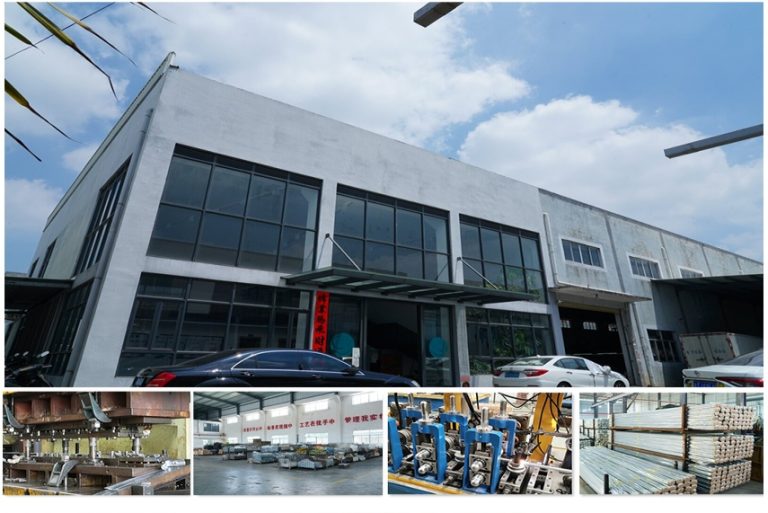
The focus now shifts to evaluation and adaptation. As we move forward, I encourage manufacturers to consider three crucial metrics when choosing solutions: downtime frequency, employee productivity, and material waste percentage. Each metric offers insight into how far we’ve come while revealing areas ripe for improvement. Remember, the shift towards lean production isn’t simply about adopting a new system—it’s a commitment to a mindset. Engaging teams, continuously adapting workflows, and investing in effective tools can yield measurable results.
In conclusion, the benefit of integrating lean methodologies is not merely theoretical, it’s profoundly impactful. I genuinely think that when industry players commit to these practices, everyone stands to gain. Inefficiencies can be tackled, morale can be lifted, and most importantly, productivity can soar. Always embrace change; it may just revolutionize your operation. If you’re looking to dive deeper into lean solutions, look no further than JunYi; their offerings could be the key to your operational success.