
Introduction: Defining Fit-for-Use Before the First Drop
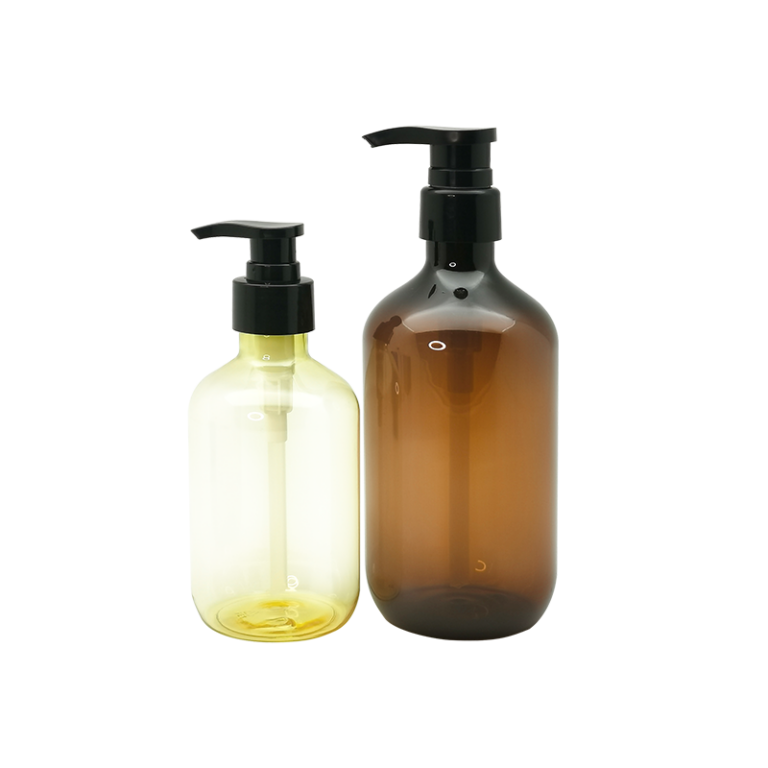
Fit-for-use sounds simple: a bottle must protect, pour, and present. A pet cosmetic bottle manufacturer faces this test daily, long before a label goes on. In a crowded shelf and a fast line, tiny choices decide outcomes. Many brands turn to pet cosmetic bottles manufacturers because packaging is not just a container—it is a control surface for safety and trust. In field audits, packaging still drives a large share of returns, often due to leaks, scuffs, or cap failures. The numbers vary, but the pattern holds. So here is the question: what separates a bottle that “passes” from a bottle that performs?
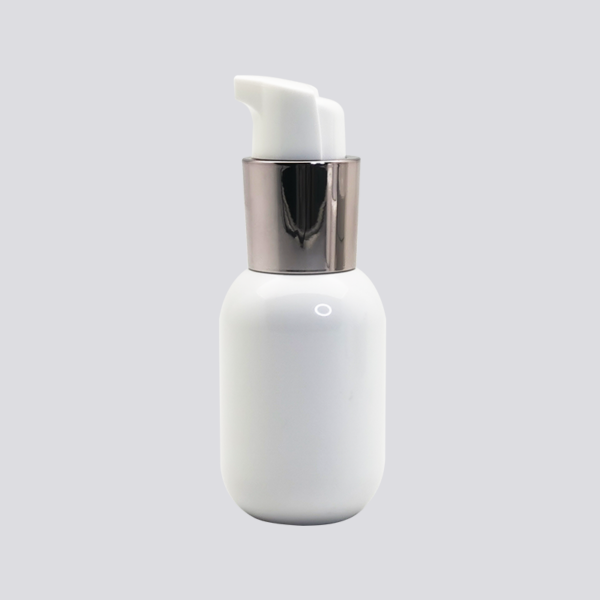
Let’s break the system down. Injection stretch blow molding (ISBM) sets the geometry. Resin grade and moisture set stability. Closure torque and thread finish set seal integrity. Each element tracks back to data—preform weight, IR heat profile, and cooling balance. Miss one, and the dog shampoo foams at the seam — funny how that works, right? The method is technical, but the goal is human: no leaks in a pet owner’s bag, no odors from volatile extractables, no confusion during dosing. We will compare how choices at each step affect real use. Then we will test those choices against what buyers feel and what operators can run at scale. On we go.
The Hidden Gaps in “Good Enough” Sourcing
Where Do Bottles Fail, Really?
Direct answer: at the seams between steps. Traditional buying leans on a spec sheet and a price line. It assumes that if the bottle meets wall thickness and volume, the job is done. But pet use is messy. Long shelf life, varied formulas, and rough handling create edge cases. Gate blush hides stress. Preform weight variance drifts neck ovality. Then the cap does not seat, and closure torque slides below target. Add label adhesive and a hot van ride, and now you have creep at the shoulder. Look, it’s simpler than you think: weak process windows cause strong complaints.
Hidden pain points live in routine operations. QC sampling misses burst pressure outliers because the lot size is small. Lot coding is offline and cannot trace resin grade changes. Tamper-evident bands snag in high-cavitation molds. Migration tests never mimic the fragrance oils in pet conditioners. And when PCR content goes up (good), barrier performance may go down if not balanced with UV stabilizers or a thin barrier layer. These are not exotic failures; they are common. The lesson is not “test more” only. It is “shift tests to the places where failure starts.”
Comparative Insight: New Principles That Make Bottles Behave
What’s Next
The forward move is to control variation at the source. New lines use servo-driven ISBM with closed-loop heaters. Infrared profiling steers preform temperature. Mold cavitation balancing trims wall variance. Inline vision (running on small edge computing nodes) flags thread defects, so caps track to spec. The change is quiet, but deep. Statistical process control (SPC) dashboards turn torque, leak, and burst data into trend lines. When a trend drifts, the line corrects itself. That prevents the failure you never see. It also lowers scrap and energy use because the heaters and blowers stop fighting a bad setup. Even power converters on the drives matter: stable power, stable motion, stable neck finish.
Traceability builds trust across the supply chain. A modern cosmetic pet bottles suppliers manufacturer can tag preforms by lot, resin grade, and PCR percentage. RFID or laser codes link a bottle to its mold cavity and cycle time. That supports targeted recalls (rare), faster root cause analysis, and verified compliance. Materials also shift. Mass-balance PCR keeps clarity while cutting CO2e. Low-cobalt UV stabilizers protect formulas without yellowing. And quick-change tooling helps small runs, so niche pet formulas do not pay with long lead times. The result is not magic; it is disciplined control, end-to-end.
Big picture, the comparisons add up. Old method: inspect at the end, accept defects you can’t see, and hope the cap fixes the bottle. New method: design for process, correct in-line, and prove performance with clean data. The gains are measurable—lower complaint rates, tighter torque windows, fewer returns. If you need a short list to judge any partner, use these three metrics: 1) cap-to-neck system capability (CpK on torque and leak at 20 kPa), 2) preform weight variance (≤0.02 g across cavities) with documented IR heat maps, and 3) extractables and odor panel results matched to your actual formula. Simple questions, sturdy answers — that’s how you choose. For teams seeking further reading or a quiet benchmark, see NAVI Packaging.