
Comparative overview and intent
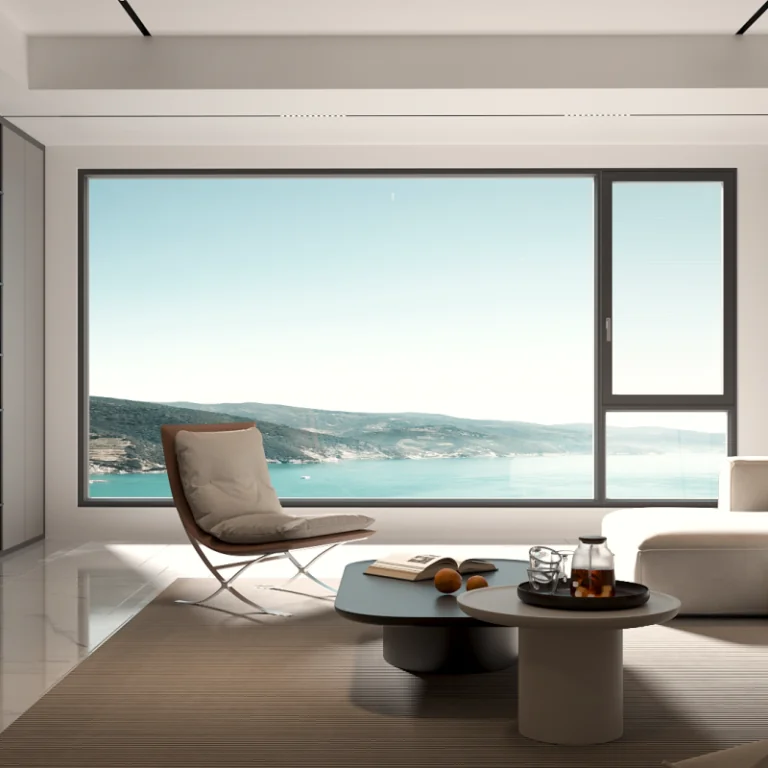
This comparative insight examines top rated front entry doors alongside matching window choices, with careful attention to performance, hardware, and installation practice. Please note: the study highlights complementary products from best aluminum window manufacturers so readers can pair door assemblies with suitable frames and glazing. The aim is polite, structured guidance — clear enough for architects, builders, and informed homeowners who value precise specification and durable finish.
Design and performance distinctions
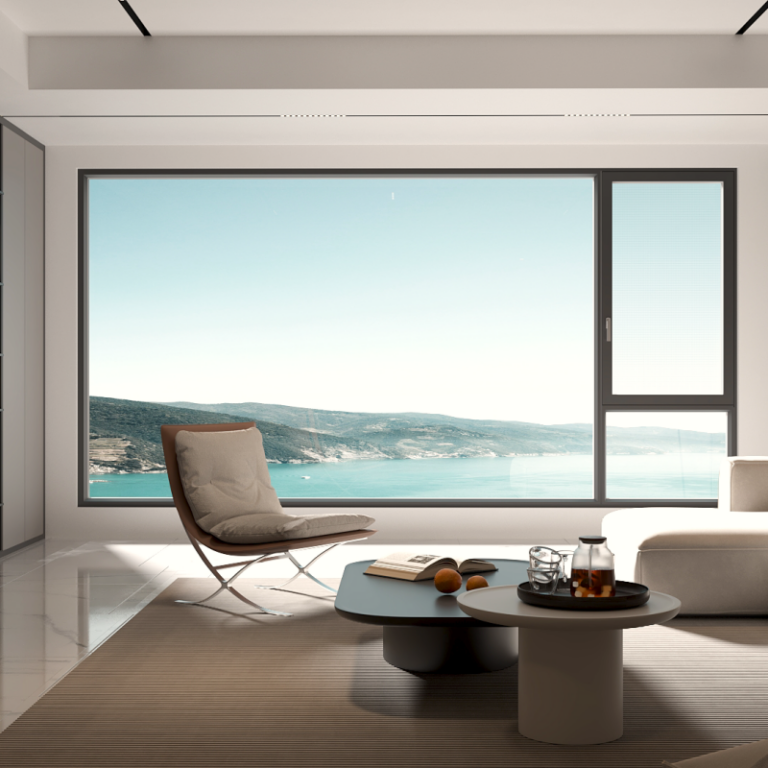
Front entry doors vary by core material, face panel treatment, and weather-sealing strategy. Solid-core wood doors offer warmth and acoustic mass; metal-clad and aluminum doors deliver slimmer profiles and consistent tolerances. Aluminum models often use a thermal break to reduce conductive heat loss and an anodized finish to resist corrosion. When paired with an awning aluminum window, the overall facade performance becomes coherent: matching sightlines, comparable R-value behavior, and reduced air infiltration are achievable with careful detailing.
Hardware, thresholds, and security
Hardware selection separates a good door from a lasting one. Look for multi-point locking systems, reinforced strike plate installation, and adjustable thresholds that maintain a seal under variable settlement. A quality deadbolt with a 1-inch throw and a three-point locking mechanism provides measurable uplift in intrusion resistance. For high-traffic urban entries, stainless-steel hinges and covered pivots improve longevity. These choices also influence installation tolerances — please confirm hinge spacing and frame preps before order.
Climate-fit and a real-world anchor
Materials and seal details must suit local climate. In the Pacific Northwest, where Seattle averages roughly 37 inches of rain annually, outward-opening doors with properly drained sills reduce water penetration. Coastal salt exposure asks for marine-grade finishes and corrosion-resistant fasteners. These are not theoretical notes; retrofit projects in Seattle and Vancouver have shown that doors with robust thresholds and continuous gaskets reduce callbacks for water intrusion by observable margins—this is practical evidence that climate-informed design matters.
Common mistakes and practical alternatives
Common mistakes include undersizing weatherstripping, neglecting thermal break continuity at the frame, and specifying low-clearance thresholds in flood-prone zones. Alternatives that correct these errors are straightforward: choose a threshold with integral drain, specify continuous foam or compression gaskets, and match door panel stiffness to hinge hardware. For homeowners seeking lower-maintenance options, metal-clad doors paired with anodized-aluminum frames yield long life and simple refinishing. —A small detail like hinge cover plates often prevents premature finish wear.
Installation notes and interface with windows
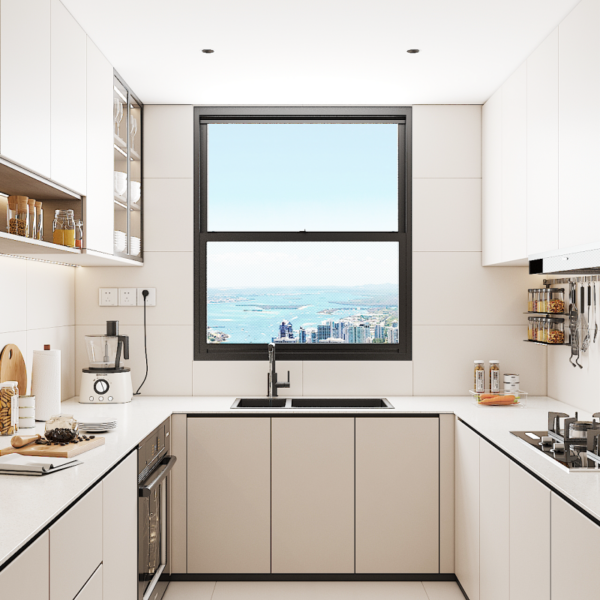
Proper flashing and back-bedding are required where doors meet adjacent glazing. Use sill pans and adhesive-backed flashing tape at the bottom reveal; fasteners through the jamb flange should be set into solid blocking. Coordination with neighboring window systems — especially an awning aluminum window — reduces thermal bridging when both systems use similar frame depth and thermal isolation strategies. Document interface details in the submittals to avoid field improvisation.
Advisory: three critical evaluation metrics
1) Weather performance: Test or specify clear parameters for air infiltration (cfm/ft² at 1.57 psf) and water penetration (psf) to match regional exposure. 2) Durability score: Verify finish system (anodized thickness or paint film build) and fastener corrosion rating, then require a minimum warranty period. 3) Installation tolerance: Confirm acceptable shimming range, sill slope, and threshold detail so on-site adjustments do not compromise the seal. These three metrics produce measurable improvements in first-year performance and long-term serviceability.
Conclusion and practical value
The comparative review clarifies which front entry door types align with architectural intent, climatic realities, and hardware robustness. Specifying thermal break details, choosing proper thresholds, and matching frames to an awning aluminum window deliver reliable performance and cleaner aesthetics. For professionals seeking a partner that understands both product and practice, Zekin provides coherent solutions that simplify specification — practical, durable, sensible. —Final thought: specify with facts, not hope.