
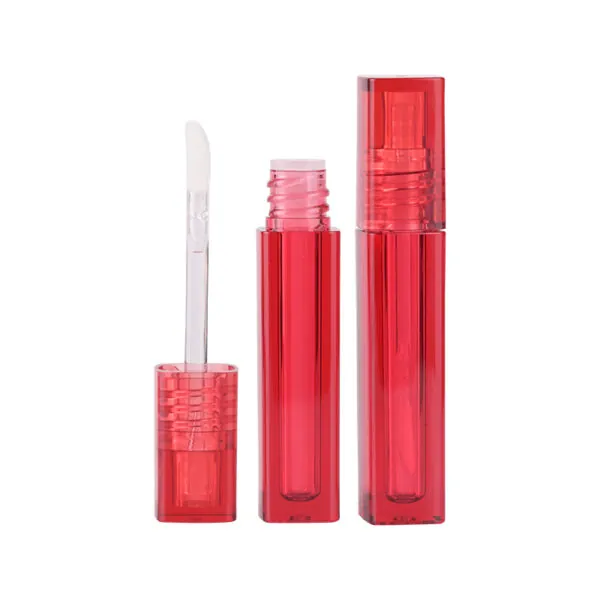
Introduction: A Launch That Looked Perfect—Until It Didn’t
You’ve seen it, sawa? The team celebrates the shade range, the applicator feels smooth, the timeline looks tight. Your lip gloss tube manufacturer signals green across the board. Then the first shipment lands and small issues stack up: caps loosen in transit, tubes haze under store lights, and the fill line looks off by a hair. Reports often show double-digit slippage—weeks lost—because small fit and finish errors pass early checks. And costs climb as rework, returns, and air freight sneak in (pole pole, they eat margin). So here is the big question: if everyone claims “standard spec,” why do so many runs still miss the mark across borders?
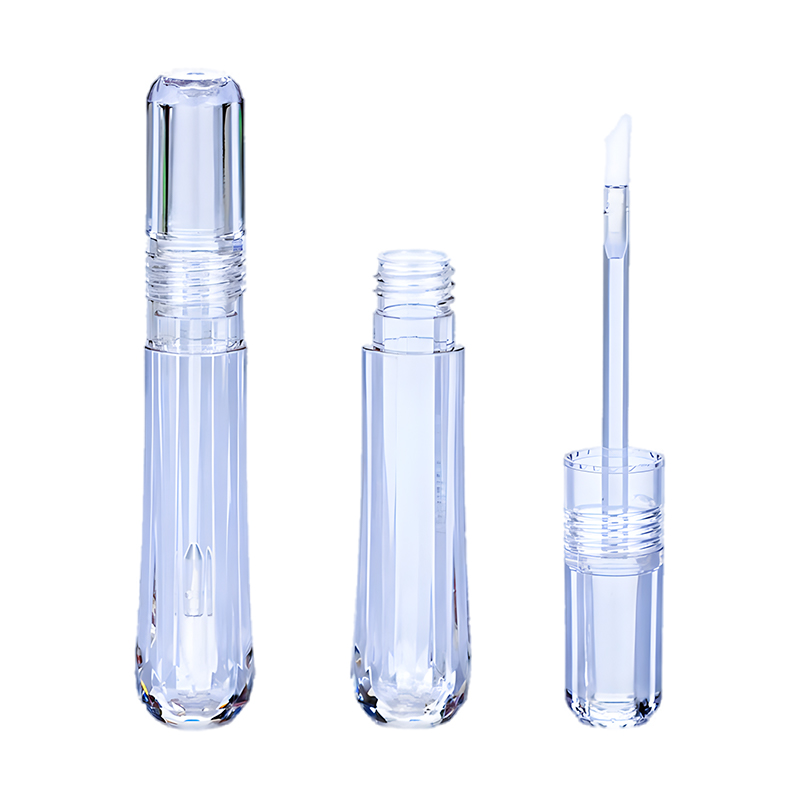
Direct answer, friend: the failure is not only in price or lead time. It’s in how we compare what matters. Tolerances, test methods, and change control look similar on paper—but behave very different on the floor. The vibe is familiar, lakini the results are not. Let’s unpack what sits under the shine and see where the fit goes sideways—then how to line it up right.
Deeper Layer: Hidden User Pain Points When Comparing Clear Tube Sources
Where do specs go off track?
Teams often compare china clear lip gloss tube manufacturers by unit price, MOQ, and tooling quote. Look, it’s simpler than you think—until it isn’t. The trap sits in unseen variables: resin behavior in injection molding, wall thickness variance, and the way torque testing is run on the line. PETG and PP look similar in a sheet, but under heat and high fill speeds they move differently. If the applicator stem flex is not matched to the wiper’s durometer, you get streaky payoff, micro-leaks, or bent wands by week six. QC sampling can look tough, yet miss humidity cycles or UV exposure that turn a pretty tube dull in a retail case. And that’s where frustration lives, silently, in returns data no one wants to present on Monday.
Another quiet pain point: mixed tolerances across suppliers. Two molds both claim “Cpk ≥ 1.33,” but one runs that on the cap thread and the other on overall cap height only. One counts retention force after 24 hours; the other tests hot off the press. Same numbers, different science—funny how that works, right? When specs float like this, brands chase ghosts. The fix starts with aligning test protocols, not just drawings. It means asking for process windows, not just a golden sample. It means seeing the gauge study and knowing which dimension anchors seal integrity. Otherwise, the next lot looks fine at dock, then shifts under real-world handling (kazi ya mkono, real life is a tougher lab).
Forward Look: Principles That Keep Clear Tubes Consistent Across Borders
What’s Next
Here is a better path, without extra drama. Start with shared test principles, then pick the factory that proves it, not just states it. Digital mold-flow analysis can flag knit lines before steel is cut. Inline vision systems catch short shots and ovality drift as parts exit the press. Simple SPC on critical-to-quality dimensions—neck ID, thread pitch, wiper fit—keeps every shift honest. An empty lip gloss tube manufacturer that runs humidity chamber cycles and torque retention after 24/48 hours will reveal what shipping knocks loose. Small add-ons like leak testing with vacuum decay, or UV-resistance checks on clear PETG, save you from shelf haze and sticky caps later. It sounds “extra,” but it protects margin. Less firefighting. More flow.
Comparatively, old workflows bet big on a golden sample and a pre-shipment check. New workflows assume drift and design guardrails: pre-approved resin grades (including PCR blends), frozen wiper geometry, and change control that halts substitutions. Add a simple PPAP-lite pack: capability run, first-article report, and stress tests documented. Then tie it to a living control plan. Different tone, different result. Specs stop being a brochure and become a loop—detect, adjust, verify. The outcome is boring reliability, which is exactly what you want when the gloss goes viral and orders spike overnight.
Choosing Right: Three Metrics That Predict Success
If you remember one thing, remember this: compare on proof, not promise. Use these three metrics the next time you screen suppliers, especially among china clear lip gloss tube manufacturers or any cross-border partner—
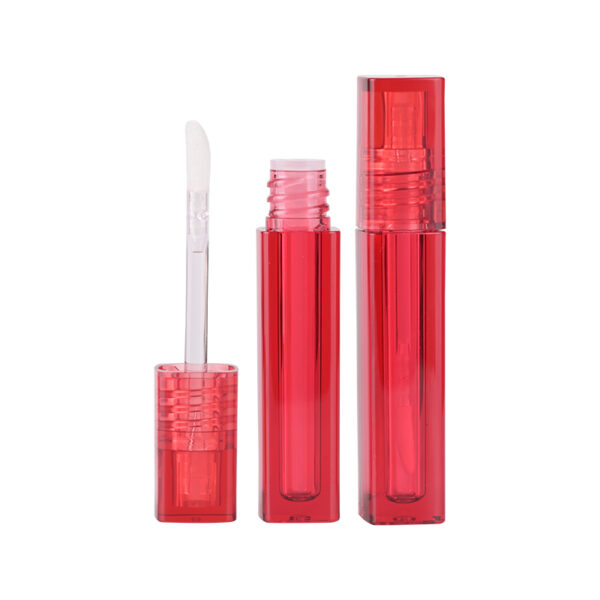
1) Process capability on critical fits: Demand Cpk data for neck ID, cap thread pitch, and wiper interference, plus the exact sampling plan and gauge R&R; 2) Environmental durability index: Require results for humidity/temperature cycles, UV exposure on clear tubes, and post-aging torque retention; 3) Change-control discipline: Check for documented resin lot tracking, tooling maintenance logs, and a formal sign-off before any substitution (no surprises mid-run). Keep it simple, keep it measurable. Your brand stays sharp, your margin breathes, and your team sleeps. For steady, well-documented packaging practice, see NAVI Packaging.