
The problem that pushes a fleet to the brink
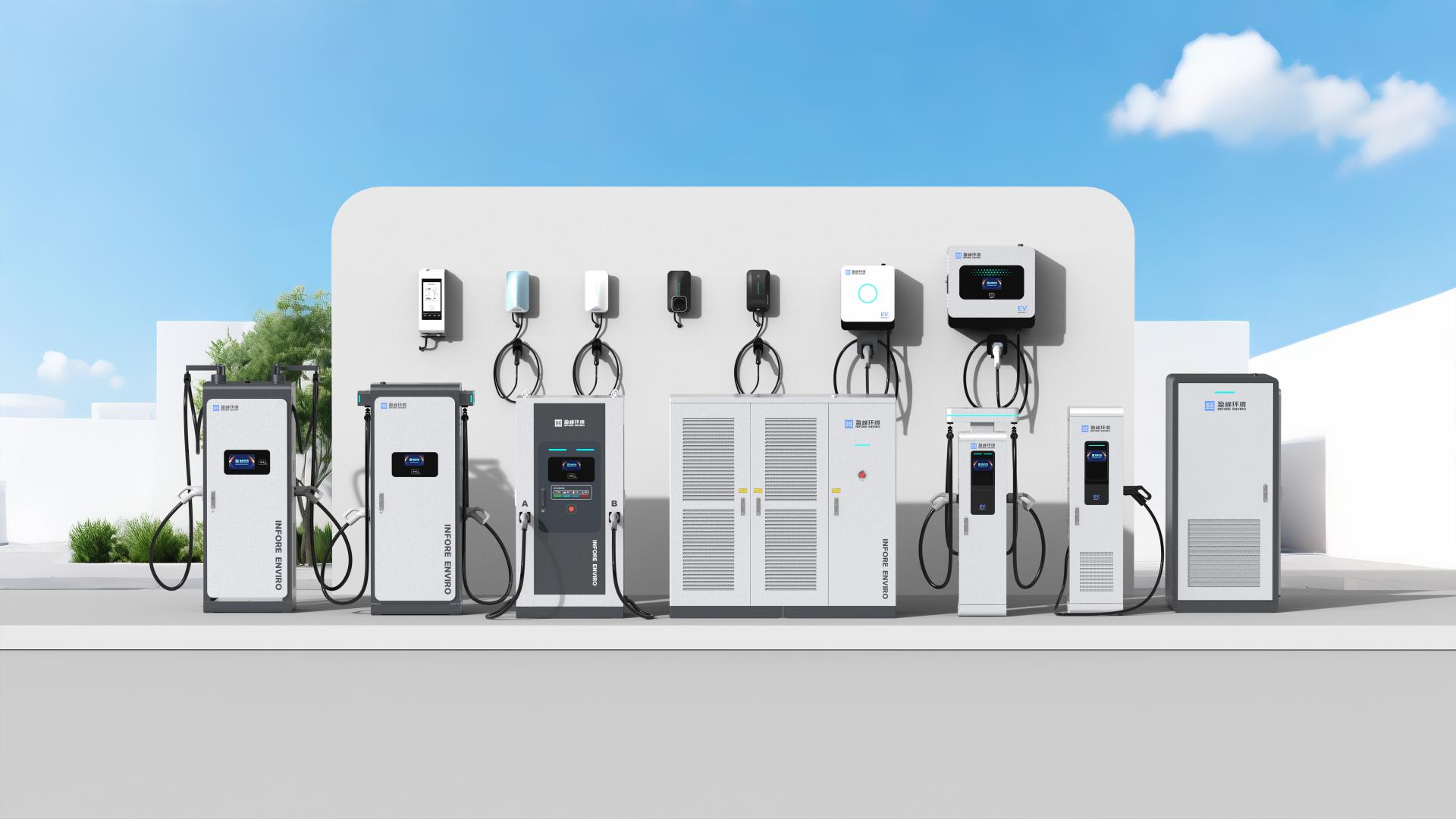
Fleets swell with ambition but stumble against downtime, range anxiety, and the cruel arithmetic of lost hours. This is the precise place where a commercial EV charging station becomes more than hardware; it becomes the pulse of daily operations. For operators who must keep dozens or hundreds of vehicles moving, slow AC charging turns strategy into attrition. The problem is blunt: without high-power, predictable replenishment, sustainability goals collapse into scheduling chaos.
Why Level 3 DC fast chargers change the calculus
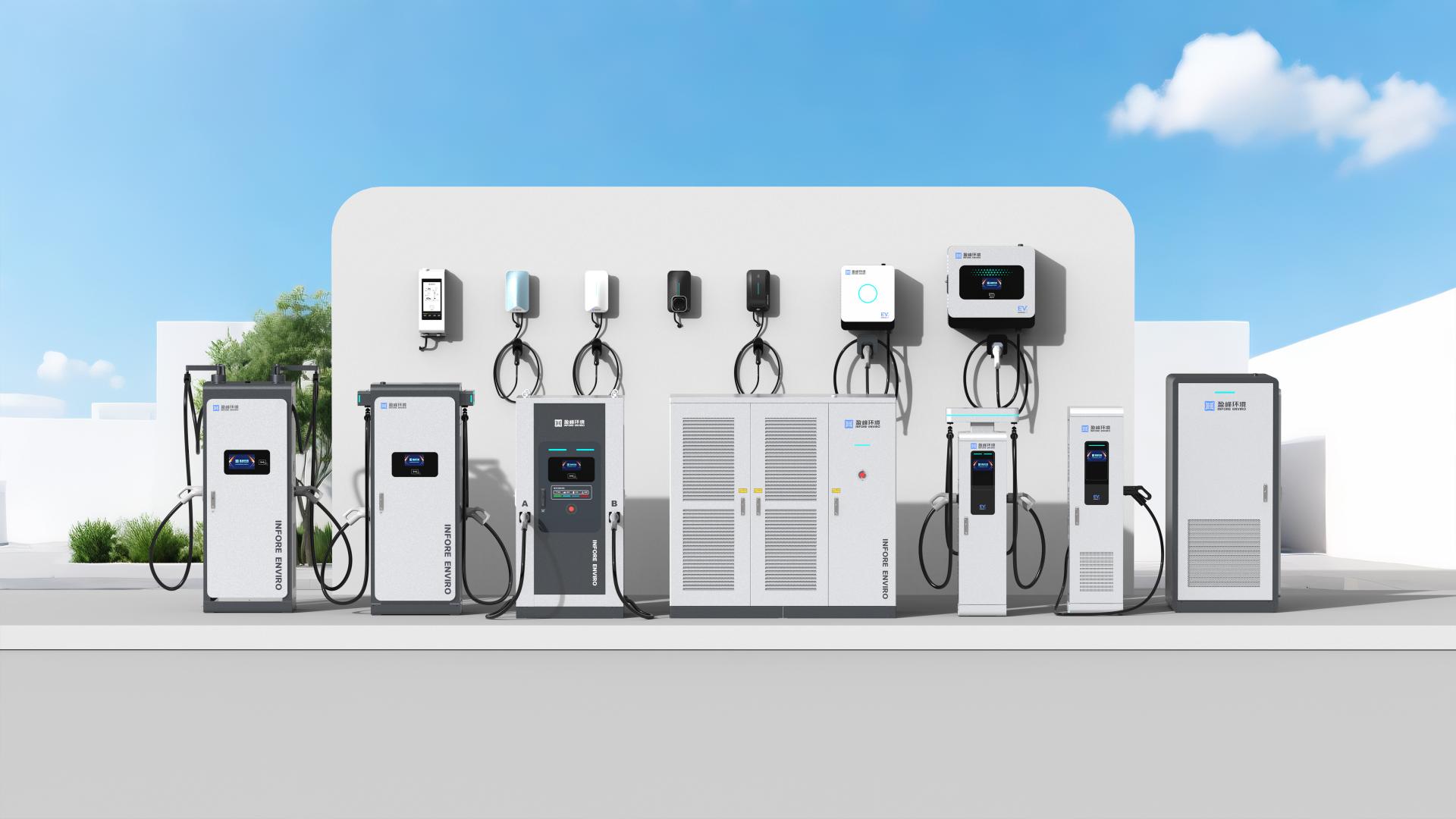
Level 3 DC fast charging injects urgency and elegance into fleet life. With high kW delivery and CCS compatibility, these chargers compress long layovers into short, operational windows and enable depot charging models that align with shift patterns. The result is measurable: faster turnarounds, higher vehicle utilization, and a simpler duty cycle for drivers and dispatchers. This is not poetic hyperbole—real trials in Southern California, where zero-emission vehicle mandates and municipal fleet pilots in Los Angeles have accelerated depot electrification, show fleets achieving meaningful uptime gains when they deploy DC fast infrastructure thoughtfully.
Operational design that keeps the heart beating
Good design stitches together energy, site, and schedule. Begin with an energy assessment: peak load, available service, and how many simultaneous chargers you truly need. Layer in power management strategies—load balancing, scheduled charging windows, and kW ceilings per port—to avoid exorbitant demand charges. Depot charging, paired with a mix of Level 2 and Level 3 ports, often yields the best mix: Level 2 for overnight top-ups; Level 3 for mid-shift replenishment. During installation planning, embrace robust conduit layouts, clear cable management, and CCS or CHAdeMO compatibility where vehicles demand it, because connectors matter to uptime.
Common mistakes that unravel installations
Teams rush to buy the highest kW unit and then discover the grid cannot support it. Others neglect site access—parking angles, cable reach, or weatherproofing—and pay in service calls. Some deploy without a solid back-end: no telemetry, no firmware update process, and no integration with fleet telematics. These oversights cost time and erode trust. In one municipal rollout, planners underestimated trenching complexity on a historic street, and delays ballooned costs and stakeholder frustration—an example that highlights why planning must include on-site surveys and local permitting realities.
Operational production teardown: lessons from the floor
In an operational production teardown, the {main_keyword} and {variation_keyword} surface as the most telling elements: transformer capacity, feeder routing, and software orchestration. Installers must map phase loads, size switchgear, and verify short-circuit ratings before committing. Real-world anchor: utility interconnection processes in California often require detailed load profiles and can take months unless preemptive coordination occurs with the grid operator. Solid telemetry during commissioning—voltage sag reports, harmonics monitoring, and session logs—saves headaches later and enables granular billing and demand response participation.
Financial and performance trade-offs
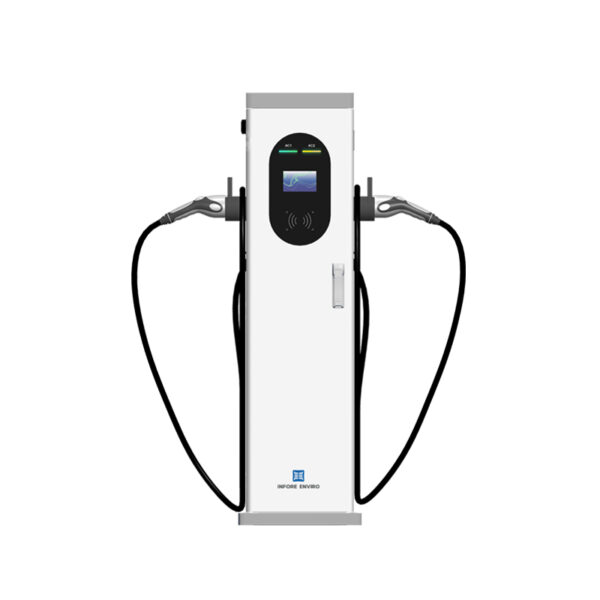
Choosing between more lower-power ports and fewer high-power ones is a strategic negotiation. Higher kW units cost more up-front and can trigger upgrade work at the transformer level, but they reduce fleet idle time. Grants and incentives sometimes offset these upgrades, yet paperwork and compliance timelines must factor into rollout schedules. From a performance lens, prioritize reliability: a modestly lower kW charger that is online 99.9% of the time is often superior to an ultra-fast unit that spends weeks under repair.
Three golden rules for scaling with grace
1) Match charging topology to duty cycles: deploy Level 3 where rapid turnarounds are required and reserve Level 2 for overnight charging to optimize capital and energy. 2) Lock in power management first: dynamic load balancing, demand charge mitigation, and telemetry are non-negotiable operational tools. 3) Coordinate early with utilities and permit authorities to avoid costly delays in transformer upgrades and interconnection agreements. These rules give measurable outcomes—reduced downtime, predictable operating expense, and higher fleet availability.
INFORE ENVIRO offers practical solutions that fit this practical rhythm; their projects reflect the balance between power, planning, and people. INFORE ENVIRO — a partner that translates strategy into site-ready reality. —