
Introduction
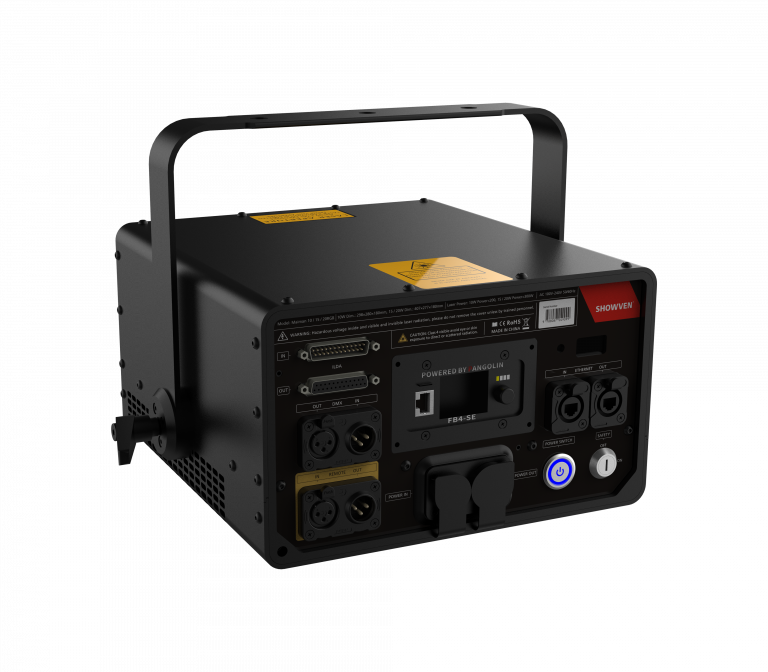
Let’s start blunt: most dance floors don’t fail because the music is bad; they fail because the light is chaos. The DJ laser light you lug in promises clean beams and instant drama, then decides to throw a tantrum under show pressure. You set up in a cramped hall, fog machine hissing, safety zones taped, and the meter still reads tight beam divergence while guests squint and the manager frowns. The DMX map says 24 channels; your timeline says eight minutes. The heat sink climbs, the power converters whine, and the crowd’s vibe drifts. So why does a simple party effect feel like a systems lab with stress?

Here’s the awkward truth: user workflows get ignored, while the tech is worshiped (because spec sheets are shiny). You juggle glare, firmware quirks, and a legal dose of safety that seems to move every week — funny how that works, right? What if we compare the usual shortcuts with smarter choices and stop chasing fixes that break something else? Good. Let’s peel back why that keeps happening, then look at what actually moves the needle.
The Hidden Cost of Convenience
Why do the “simple” fixes break down?
Everyone says “just add more color” or “get brighter.” That is how many land in the trap. With party lights and lasers, the pain rarely lives in the color wheel or watt rating. It lives in control, optics, and heat. Cheap rigs pack scanners that drift and widen beam divergence after a few hot minutes. Optical alignment slips. Power converters choke near their limits. And the DMX512 map is a puzzle that steals your soundcheck. Look, it’s simpler than you think: if the galvos jitter, the effect looks noisy; if the modulation is TTL-only, dimming turns into steps, not smooth fades. The room sees “harsh” when you wanted “silky.”
Traditional fixes push you into mic-to-light modes and canned macros. Those stash complexity out of sight, but at a cost. You lose timing control, especially when bass hits late or the room layout forces narrow safety zones. Add fog density and your MPE plan gets iffy fast. You compensate with angle tweaks and kill zones, but then your coverage collapses at the edges. And that DMX rescue cue? It’s buried three pages deep. Old rigs fight you because their firmware expects a booth from 2012, not hybrid sets with VJ clips, edge computing nodes for sync, and live remixes. The result: more gear, less control, and a vibe that swings from “wow” to “why” in one chorus.
Comparative Shift: Smarter Control, Cleaner Beams
What’s Next
Now flip the frame. The new play is not “more watts,” but better control loops and thermal design. Analog modulation gives your fades shape. Modern galvanometer scanners keep tracking under heat with tighter PID tuning, so lines stay crisp. Phase-change cooling and smarter heat sinks stop drift before the second song. Even better, a compact controller can map zones in minutes, then log safety states. When you compare two similar rigs, the one with stable optics, low beam divergence, and robust power supply rails wins the room, not just the spec race. Pair that with a library of cues you can edit on the fly and your booth is calm, not frantic. If you’re shopping the best DJ laser lights, weigh control stability over raw lumen shock.
Here’s the principle that sticks: precision beats brute force. Distributed sync via edge computing nodes keeps DMX512 and video aligned. Firmware that exposes real profiles—scan rates, acceleration limits, analog depth—saves you when the venue shape is weird. An IP-rated chassis and clean power converters reduce “mystery” resets. Compared to the old “set-and-pray” workflow, you get repeatable looks that scale from bar to ballroom. You keep the energy, ditch the panic — shocking, I know. To choose well, test three things in your head: does the beam look clean at low intensity, does the rig stay aligned when hot, and can you build cues fast without a manual stuck to your face?
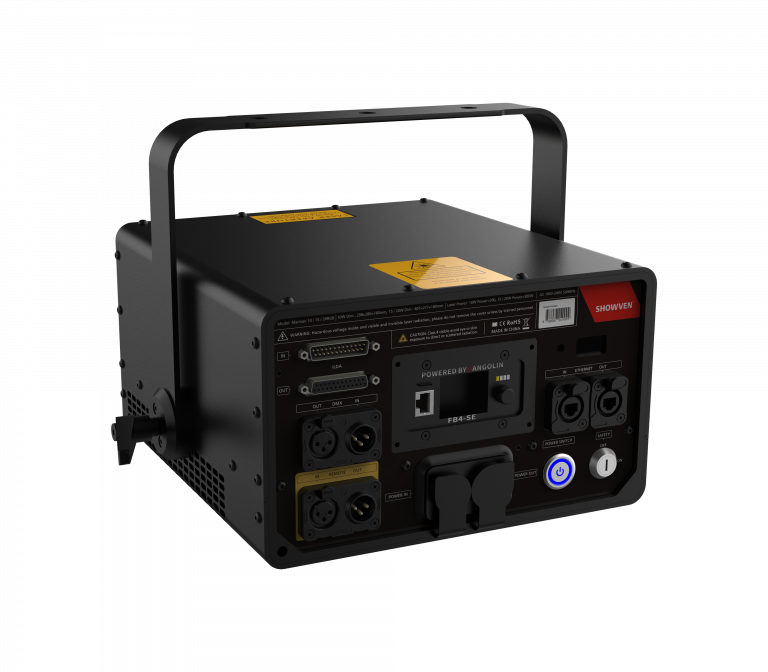
Before we close, here are three simple checks that help you buy once and breathe easy: 1) Measure optical stability, not just brightness; watch beam edges after a hot run. 2) Test control latency and mapping speed; your show time is finite and DMX512 is unforgiving. 3) Audit thermal behavior under real fog and music; if it drifts, it costs you. That’s the comparative edge: fewer variables, steadier looks, better nights. For more on the tools shaping this shift, see Showven Laser.