
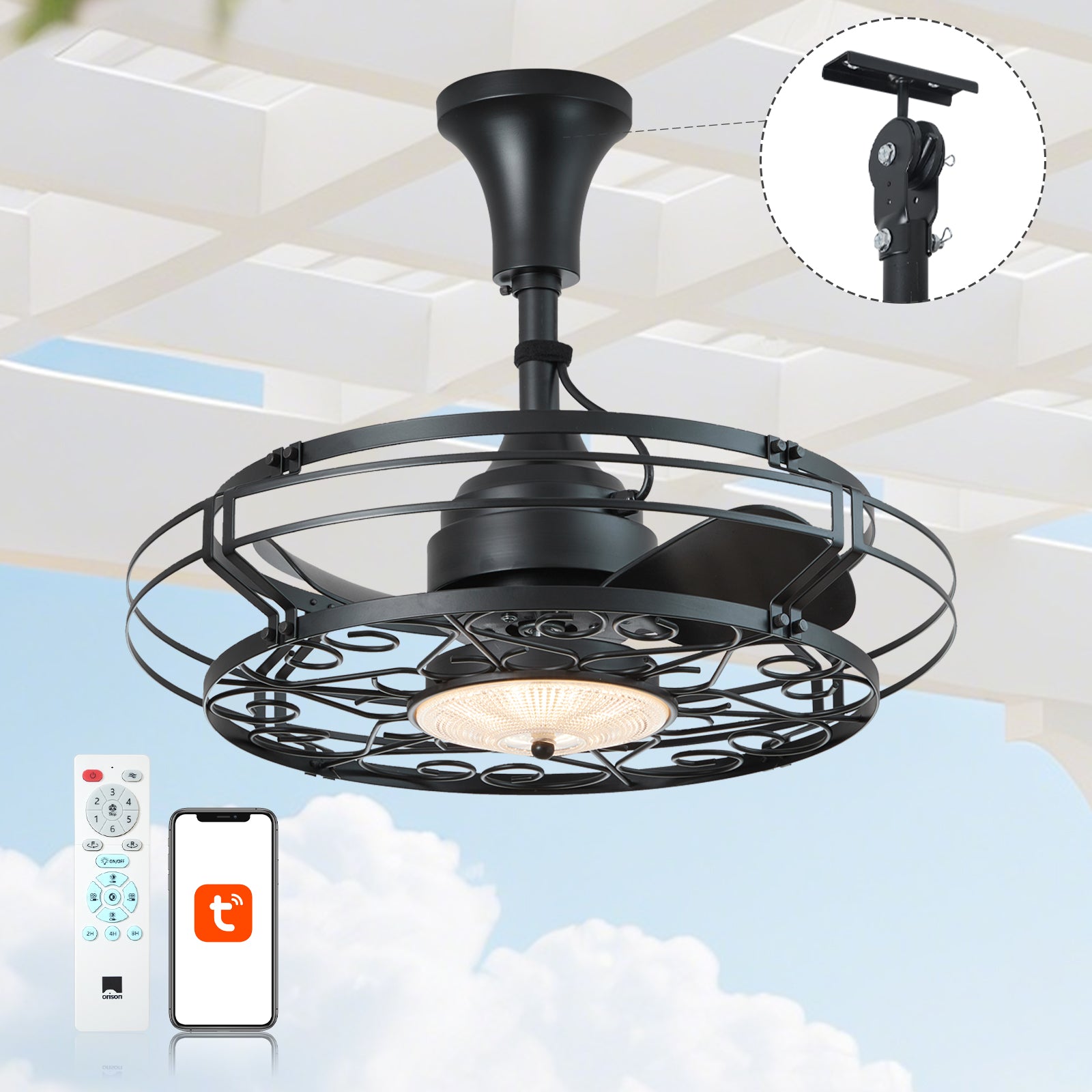
Opening: the persistent problem of hum and vibration in outdoor settings
Noise and vibration from ceiling fans in shaded outdoor spaces are more than minor annoyances; they compromise comfort, reduce motor life, and complicate installation compliance for pergolas and gazebos. Brands that sell or install outdoor patio ceiling fans often encounter repeat service calls caused by unbalanced blades, loose mounting brackets, or poor bearing alignment. This problem-driven analysis adopts a practical engineering evaluation perspective to explain why factory-direct gazebo fans with integrated lighting can prevent motor hum and vibration, and how product selection and installation practice change outcomes in real-world conditions such as the high-heat summers of Phoenix, AZ, where outdoor systems are used intensively and stress on motors is amplified.
Root causes: what produces hum and vibration in gazebo fans
Motor hum and mechanical vibration arise from a limited set of physics- and assembly-related factors. Principal among them are imbalance in blade mass or blade pitch, improper bearing preload or clearance, loose mounting hardware, and electrical supply irregularities that excite motor windings. Aerodynamic disturbance near rafters or soffits can alter the expected airflow pattern and increase oscillation. Industry terms to note here include CFM (airflow), blade pitch, and bearing clearance; these help quantify and diagnose the problem rather than relying on subjective descriptions of “noisy fan.”
Why factory-direct matters: control over specifications and quality
Factory-direct procurement reduces the variables that cause hum and vibration by allowing tighter control of tolerances, rotor balancing, and integrated component testing prior to shipping. When the manufacturer calibrates blade balance, checks motor runout, and certifies mounting bracket flatness at the factory, the probability of field-induced vibration falls markedly. Moreover, direct channels enable specification of DC motor versus AC motor options, which affects tonal quality and steady-state hum. A factory that delivers pre-validated assemblies often eliminates a sequence of onsite adjustments — saving time and preventing returns.
Design features that suppress hum: what to look for
Effective anti-vibration design is multi-layered. Key features include:
- Precision-balanced blades with documented tolerance bands for mass distribution and blade pitch.
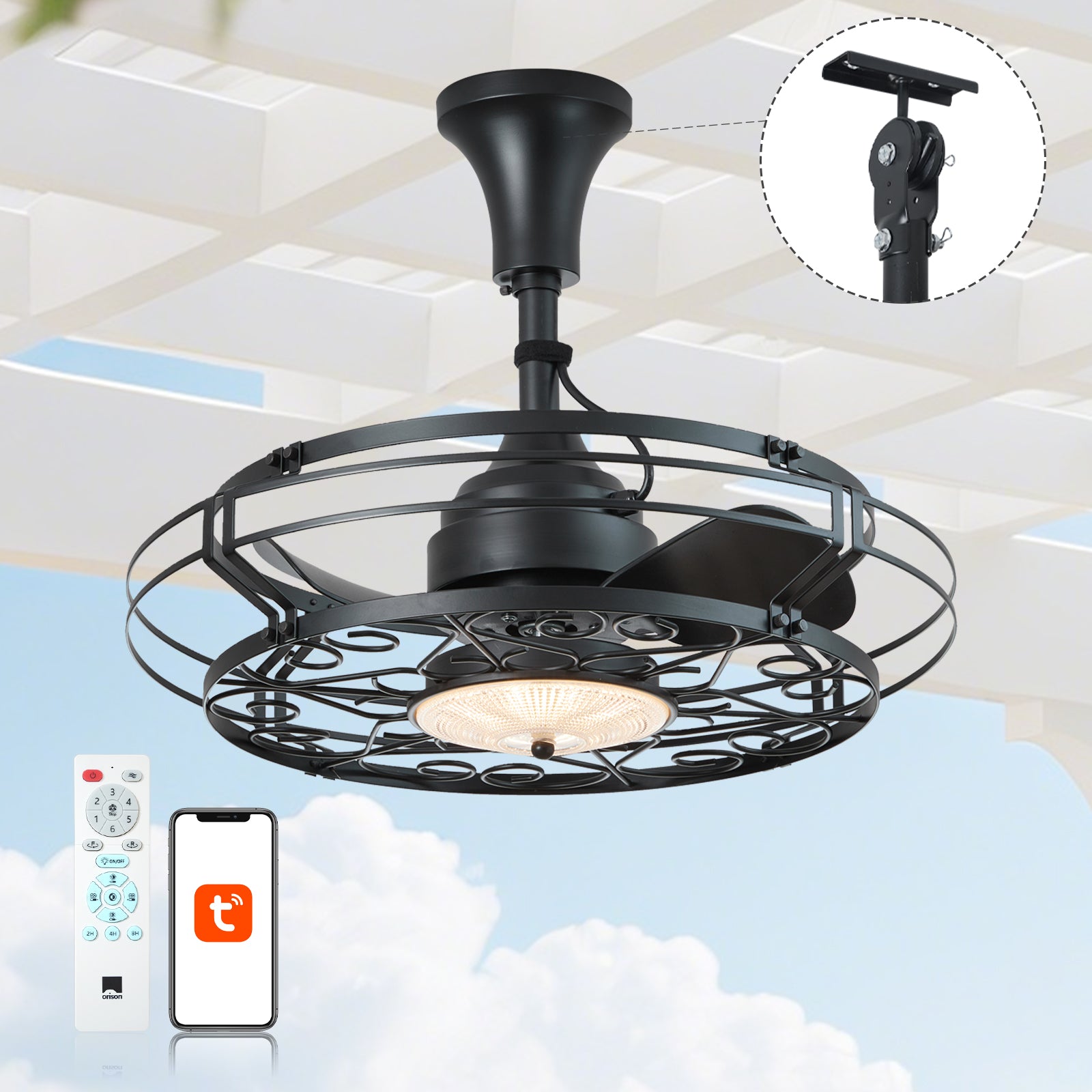
- Robust mounting systems: multi-point canopy plates and anti-rotation hardware that distribute load to structural members, not just drywall or fascia.
- Quality bearings and appropriate lubrication schedules to limit axial and radial play.
- Integrated dampers or elastomeric mounts that decouple motor vibration from the structure.
Additionally, electrical design that minimizes motor cogging — for example, well-designed DC motor controllers or properly phased AC motors — will reduce motor hum frequency and perceived noise.
Installation practices that prevent field problems
Even an exemplary factory-direct product will fail to perform if installation is negligent. Installers should verify structural flatness at the mounting point, torque canopy fasteners to specification, and confirm blade-to-blade co-planarity during the trial run. It is advisable to perform a dynamic balance check at low RPM before commissioning at full speed — this prevents exacerbation of minor imbalance into audible vibration. For low-clearance installations beneath low rafters, selecting a low profile outdoor ceiling fan with light can eliminate the mechanical interference that otherwise alters airflow and generates resonance.
Comparative outcomes: factory-direct gazebo fans versus retrofits
Retrofitted solutions often show higher incidence of corrective service: blade replacement, bearing swaps, or canopy rework. By contrast, factory-direct units that undergo full assembly-line balancing and integrated light fitment typically present fewer warranty claims and fewer on-site adjustments. This comparative insight is not merely anecdotal — maintenance records collected by installers in climates with extended outdoor use show reduced call-backs when factory-validated balancing protocols are followed. The implication for procurement is clear: up-front specification reduces life-cycle cost.
Common mistakes and small mitigations — a pragmatic checklist
Installers and specifiers commonly err in three ways: underestimating structural stiffness, neglecting electrical harmonics, and choosing blades for aesthetics rather than aerodynamic fit. Small mitigations include:
- Pre-install structural survey to ensure canopy mates to solid blocking.
- Use of a phase-consistent supply or motor controller rated for outdoor use to avoid electrical-induced buzzing.
- Prefer blades matched to the motor’s rated RPM and CFM curve rather than swapping decorative blades without validation.
These steps are inexpensive relative to repeated service visits — and they preserve both acoustic comfort and motor life.
Summary of technical lessons
In sum, motor hum and vibration in gazebo fans are predictable and preventable when product specification, factory validation, and disciplined installation converge. Precision blade balancing, quality bearings, robust mounting, and appropriate controller selection form the technical core of a reliable solution. The practical engineering assessment presented here draws on installation experience in high-use climates and the observed reduction in warranty incidents when factory-direct protocols are followed.
Three golden rules for selecting and deploying quiet gazebo fans
1) Specify measurable tolerances: require documentation of blade balance, motor runout, and bearing play. 2) Prioritize integrated systems: choose factory-assembled fans where motor, blades, and light module are validated as a unit. 3) Enforce installation verification: mandate dynamic balancing at commissioning and a signed acceptance checklist.
Applied together, these metrics guide procurement toward products that deliver quiet, durable performance and lower lifecycle cost. For many projects, that practical value is delivered most directly by factory-direct suppliers who understand both mechanical and environmental demands — and in that regard, Orison offers products and documentation aligned with these selection principles. —