
Why the next wave matters
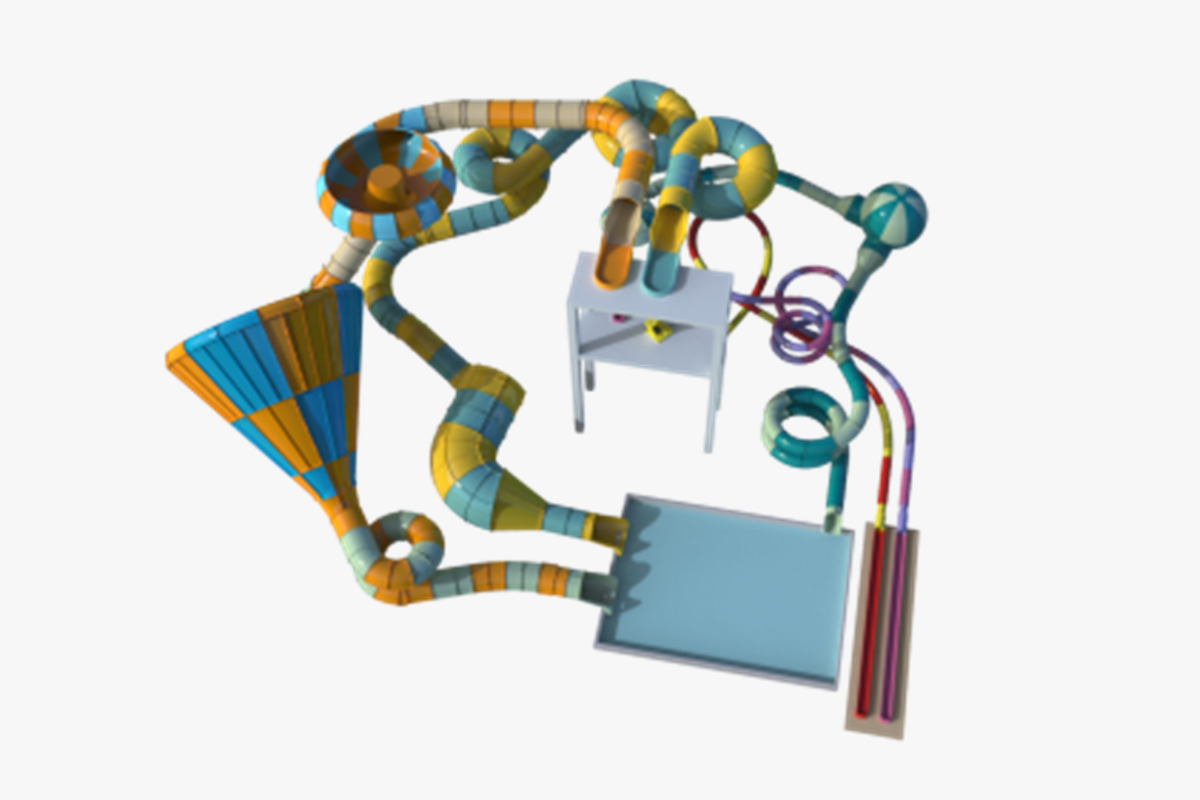
Commercial water parks—think Orlando’s Typhoon Lagoon and other big-name resorts—are at a crossroads where ride excitement meets resource restraint. Designers are already imagining a future where a tornado water slide delivers the same adrenaline but with a far smaller ecological footprint. That shift centers on smarter pump control, refined filtration systems, and tighter water chemistry management to cut operational energy and chemical use without dulling the guest experience.

Current pain points: what operators lose (and why)
Pumps and heaters dominate day-to-day energy costs; poorly tuned recirculation pumps waste power, while oversized systems raise upfront capital and ongoing losses. Filtration systems can either be a cost sink or a savings lever depending on media choice and backwash strategy. Ride hydraulics that prioritize spectacle over efficiency send flow rates and chemical demand spiking. The result: maintenance headaches, unpredictable downtime, and thin margins on busy summer calendars.
How new tech reshapes design and operations
Advances are practical, not sci-fi. Variable-frequency drives (VFDs) and demand-driven control systems let recirculation pumps match real-time occupancy, shaving peak loads. Combined UV disinfection and staged chlorination reduce persistent by-products while letting operators lower free chlorine setpoints. Solar thermal pre-heating and heat-recovery from filtration backwash cut heating loads. Smart sensors monitor turbidity and pH continuously, enabling automated dose adjustments that keep water chemistry steady and chemical consumption down.
Manufacturers are also rethinking slide geometry and chute finish to reduce drag—ride hydraulics tuned for efficiency means lower required flow rates without changing ride timing. And when you browse models like different types of water slides, you’ll notice designers balancing thrill elements with hydrodynamic efficiency in ways that weren’t standard a decade ago.
Operational production teardown
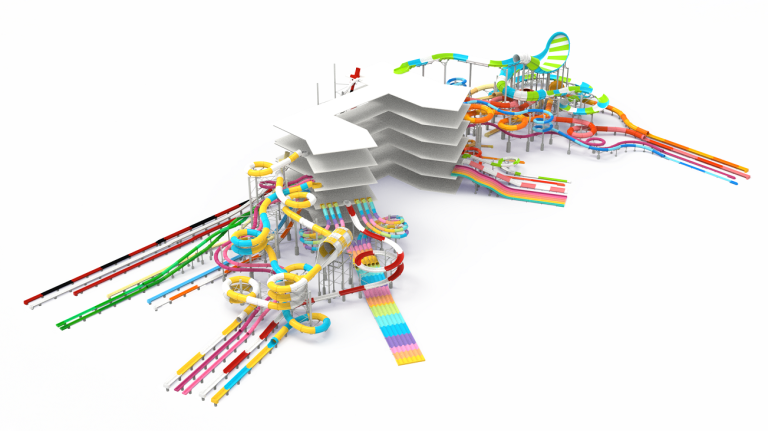
Start by mapping daily energy and water flows—metering, logging, and trend analysis reveal where waste happens. An operational production teardown should include pump curve verification, filtration throughput testing, and sampling of water chemistry during peak circulation. Embed {main_keyword} and {variation_keyword} into that teardown as tags in your diagnostic reports so teams track improvements across iterations. Calibrate sensors against lab results every quarter; neglect here is the most common mistake and the fastest way to erode trust in automation.
Common mistakes and practical fixes
Operators often oversize pumps “for safety,” skip routine media replacement, or run fixed-speed pumps at full throttle—avoidable choices that cost real money. Replace those habits with: properly sized variable-speed pumps, scheduled filter-media swaps tied to head-loss thresholds, and weekly verification runs that pair sensor output with manual tests. —That small extra discipline keeps performance predictable and maintenance budgets grounded.
Measurable benefits and ROI
When systems are optimized—VFDs installed, UV added, and sensor-driven dosing enabled—operators usually see reductions in peak energy demand and chemical expenditures within months, while maintenance-related downtime drops over annual cycles. Improvements compound: less backwash water, less chemical overfeed, and lower thermal losses all feed into a stronger bottom line and simpler daily operations. Real operators in competitive markets report that design choices pay back through a mix of lower utility bills and improved guest throughput.
Three golden rules for selecting strategies and vendors
1) Measure before you buy: firm meter data and a pump curve analysis are mandatory. Any proposal that doesn’t reference your actual baseline numbers is incomplete.
2) Demand integrated controls: choose systems where filtration, heating, and dosing talk to the same control logic—interoperability is how savings become predictable.
3) Prioritize maintainability: pick filter media, sensor models, and pump architectures with clear service intervals and accessible replacement parts. Contracts that gloss over uptime metrics are warning signs.
Operators who adopt these rules get both immediate operational clarity and long-term resilience—practical value Dalang builds into its designs, helping parks deliver safer, greener attractions with lower lifecycle costs. —Real impact, delivered.
Dalang — trusted design, smarter rides, quieter bills.