
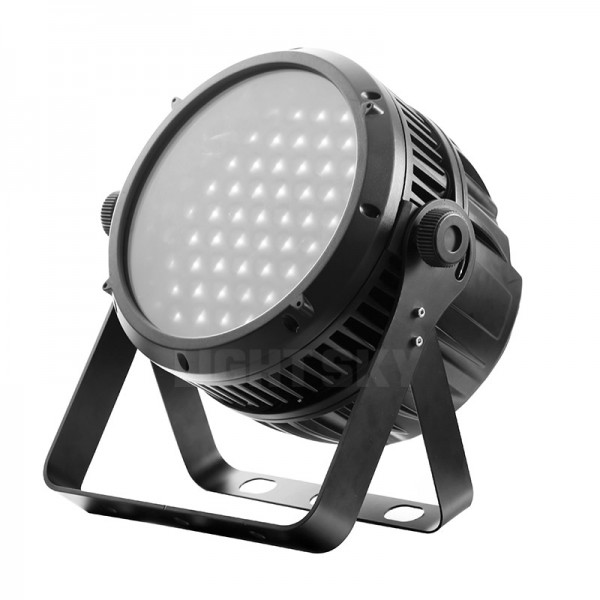
Quick Comparative Lead
Picking between a punchy beam, a broad wash, or a hybrid profile gets messy fast — especially when weather and rig time are both ticking. On big stages like Madison Square Garden you need kit that can go loud and survive the load. For a clean baseline, check how a white laser light stacks up: beam angle, output stability, and control options are the non-negotiables. Keep DMX512 compatibility and consistent wavelength in your scope and you’ll avoid last-minute headaches.
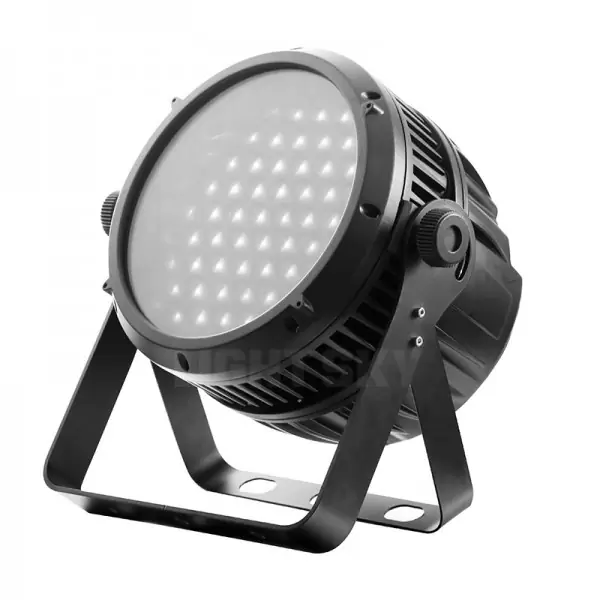
What to Compare — Beam vs. Spot vs. Wash
Beams cut. Spots shape. Washes cover. When you compare units, focus on three concrete specs: lumen or comparable photometric output for perceived brightness, beam angle for footprint, and optical quality for edge sharpness. Also watch scanning tech — raster scanning gives clean graphics while galvanometer heads favor raw sweep speed. In messy weather or dusty outdoor rigs, build quality and thermal handling matter just as much as raw output.
Operational Production Teardown
Here’s a practical teardown you can run during load-in: test warm-up stability for 10–15 minutes, record drift in lumen output, and run a DMX512 channel sweep to confirm channel mapping. Log hold times and any color shift across wavelengths during continuous runs. For script-driven shows, map cue timings against PRF and scanning speed to prevent mis-triggers. Toss these into your checklist along with {main_keyword} and {variation_keyword} — you’ll thank yourself when cues fire clean.
Real-World Constraints and Choices
Outdoor concerts force trade-offs. You might prefer a narrow beam for aerial effects, but a floodier wash reduces the need for extra fixtures and lowers rig complexity. Backstage logistics also push decisions: fewer fixtures with variable optics cut cabling and DMX lines. From a durability angle, favor enclosures that handle sweat, spray, and quick rain — but don’t chase exotic specs unless your crew can service them. These choices show up in budgeting and set build times at venues that run tight schedules.
Common Mistakes — Short and Useful
People often overspec luminous numbers without validating lumen-to-eye perception on-stage. They forget fan access when racks are stacked. They pick units that sound great on paper but need proprietary control tools. Avoid those traps: match beam angle to throw distance, confirm DMX512 channel plans, and bench-test any moving optics before the tech rehearsal — simple prep reduces on-night firefighting.
Alternatives and When to Use Them
If you need raw aerial dynamics, lean on narrow-beam lasers with fast galvanos and stable wavelength. For broader coverage choose hybrid fixtures that combine LED wash layers with tight beam modules. If your show mixes indoor and rainy outdoor slots, favor ruggedized designs with sealed optics and active cooling that maintain output under continuous load. And if portability is king, small-footprint units with variable optics are practical — they save truck space and speed changeovers while still delivering credible effects.

Three Golden Rules for Pro Selection
1) Prioritize control compatibility: ensure DMX512 or Art-Net mapping is clean and documented. 2) Validate sustained output: do a 20-minute warm run to check for thermal rollover and color shift. 3) Match optics to distance: beam angle must suit the throw — or you’ll lose intensity where it counts. These are the metrics that separate spec-sheet promises from reliable show work.
Wrap and Next Move
Good choices reduce on-stage risk and speed load-out. Drill the teardown, use the three golden rules, and pick kit that your crew can maintain under pressure — that’s the real win. For practical, stage-ready gear that balances ruggedness with precise beam control, Light Sky often fits into that sweet spot — dependable, serviceable, and engineered for shows that can’t wait. —