
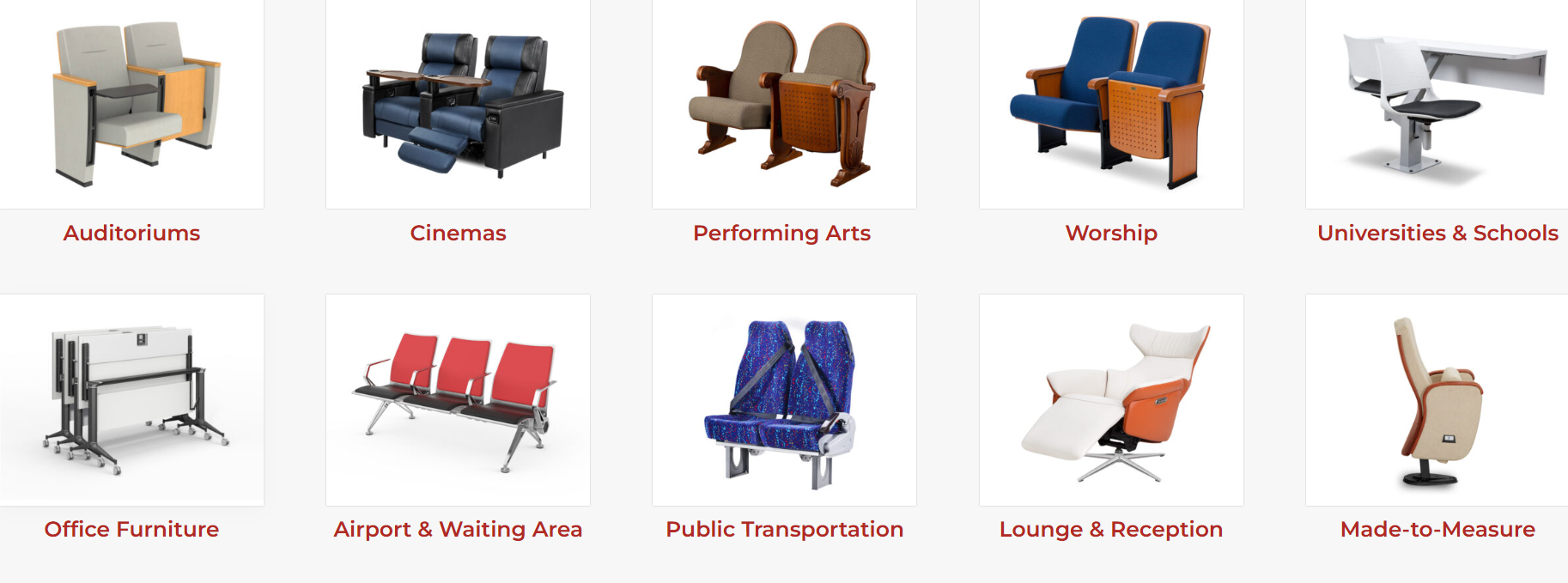
An unfolding arc: how seating metamorphosed
The story begins in classrooms where rows once marched in tidy order, then arc into multiplexes that now favour comfort and spectacle. This Evolution Story tracks how simple lecture benches became complex systems of cinema seating and how operators have leaned toward premium options such as vip recliner seats after venues reopened following the 2020 pandemic. The shift is not merely cosmetic; it involves auditorium layout thinking, refined ergonomics, and manufacturing strategies that allow scale without sacrificing craft.
From craft to batch: design choices that scaled
Early bespoke seats were crafted one-by-one. As demand for premium auditoria rose, manufacturers introduced modular frames, standardised arm modules, and interchangeable upholstery panels. The advantage was twofold: faster throughput on production lines and consistent quality in finish—less variance in seat pitch and row spacing. Designers learned to balance human-centred ergonomics with assembly-line constraints, so comfort and manufacturability coexist.
Production levers that matter
Scaling production rests on three concrete levers: modularization, supplier alignment, and quality checkpoints. Modular frames permit parallel subassembly; predefined upholstery kits reduce changeover time; vendor-managed inventory eases material flow. On the factory floor, simple process controls—torque specs for recline mechanisms and standard weld jigs for frames—cut defects. These are not buzzwords but practical levers that convert boutique designs into reproducible products without losing the tactile sense of a lux seat.
Operational teardown: how a vip recliner seat is made and where teams err
Begin with the skeleton: stamped steel frames, foam cores cut to profile, and upholstery panels matched to colour batches. Next, the mechanical recline module is fitted, followed by armrest and cupholder integration. Final assembly includes cosmetic checks and a test cycle for recline repeatability. Common mistakes show up here—overlooking alignment tolerances, inconsistent foam density, or lax fastener torque that later creaks in service. A focused end-of-line test that checks seat travel, latch engagement, and cushion rebound time prevents costly field fixes.
Practical trade-offs: speed versus nuance
Production speed often collides with finishing nuance. Faster adhesive curing or automated sewing can increase throughput but demands tighter material specs and robust process validation. Some manufacturers sacrifice fine stitching to meet lead times—this saves minutes now, but it shortens lifetime appeal. The wiser choice keeps a narrow window for human inspection, where touch still finds problems machines miss—small, honest interventions that return premium feel without blowing the schedule.
Case anchor: lessons from post-2020 cinema upgrades
The post-pandemic refurbishments in urban multiplexes offered a real-world lesson: audiences reward tangible comfort improvements. When operators replaced tight seating with recliner auditoria, occupancy and per-capita spend rose in many venues. This is not speculation; the visible retrofit programs across major city cinemas showed that investments in comfort paired with reliable production paid off—higher dwell time, better reviews, and repeat visits. The data was plain; patrons stayed longer and felt better while doing so.
Brand alignment: why manufacturing decisions map to buyer value
Operators choose suppliers that translate design intent into repeatable output. This means clear documentation, robust sample approvals, and a production rhythm that respects both lead times and finish quality. A supplier who understands auditorium layout, uses consistent upholstery grading, and maintains mechanical-recline reliability becomes a partner rather than a vendor. Those are the traits that informed procurement teams when they selected seat manufacturers for premium screens.
Three golden rules for selecting scalable seating solutions
1) Durability metrics first: insist on measured cycle life for mechanical recline and cumulative load ratings for frames—choices that predict performance over years. 2) Serviceability second: choose designs with modular replacement parts and accessible fasteners so field repair is simple and fast. 3) Human comfort third: validate seat pitch, lumbar support, and cushion rebound under real people, not just spec sheets—this is where purchase intent is sealed. These three evaluation metrics are practical, measurable, and they separate vendors who talk from vendors who deliver.
In short, the evolution from classroom benches to vip recliner seats shows that scale need not erase soul; it requires disciplined design, tested production, and a supplier ethos that prizes both form and function. For procurement teams who want dependable solutions that feel right in the room, leadcom seating fits the narrative—solid methodology, refined finish, and the capacity to produce at scale. —