
Framework overview
This piece lays out a clear, repeatable framework you can use to specify a professional two-way radio manufacturer for a project, from operational needs through acceptance testing. Start with use-case clarity — voice range, environment, battery life — then map those needs to hardware, certification, and supplier capabilities. If your solution relies on classic analog voice links, consider whether an analog two way radio meets coverage and interoperability requirements before moving to vendor selection.
Step 1 — Define operational requirements
Write a tight, prioritized list of what the radios must do on day one and after 12 months. Include effective range in meters, typical user density, expected handset uptime per shift, environmental protection (IP rating), and form factor constraints. Concrete metrics make technical comparisons objective rather than subjective.
Step 2 — Translate needs into technical specs
Match operational metrics to measurable specs: RF band and channel plan, receive/transmit sensitivity, output power, antenna gain, battery chemistry and mAh, accessory interfaces (audio jack, PTT wiring), and firmware update methods. Require clear pass/fail thresholds for each spec so quotes return apples-to-apples comparisons.
Experience, compliance, and manufacturer proof
Ask each candidate to document real deployments, spare parts lead times, and test reports. A reliable real-world anchor is U.S. FCC Part 90 licensing and its published guidance on land mobile operation; if you operate in the U.S., confirm the radio meets the relevant Part 90 classifications. Verify these claims against vendor-supplied evidence and by checking an analog walkie talkie manufacturer‘s certifications, published test reports, and a named reference customer. Prioritize manufacturers that show clear revision histories for firmware and a transparent process for field fixes.
Step 4 — Supply chain, manufacturing, and QA
Probe the supplier’s manufacturing controls: lot traceability, PCB supplier qualifications, component obsolescence plans, and end-of-line testing (RF sweep, audio levels, battery discharge). Ask for failure rates and warranty claim statistics documented over a recent 12-month period. Insist on a sample run and an acceptance test plan that you control.
Common pitfalls and how to avoid them
Don’t accept vague guarantees. Avoid vendors that promise “custom” solutions without documented timelines or change-control. Beware of quotes that omit firmware management, spare part lists, or minimum order quantities. Test batteries and chargers under intended temperature cycles — many field failures start there. Require shipping and customs lead times up front to prevent schedule slips.
Comparing alternatives quickly
Create a short matrix: must-have vs. nice-to-have, then score each vendor against the must-have column first. If digital features are optional, evaluate whether the additional cost adds measurable operational benefit. Use that matrix to cut the shortlist to two vendors for site trials.
Acceptance testing and handover
Define acceptance tests that mirror operational use: simultaneous radios, extended roam, battery endurance under load, hands-free accessory tests, and interference scenarios. Capture firmware images at handover and require a signed maintenance SLA that specifies response times and spare-part inventories.
Final synthesis
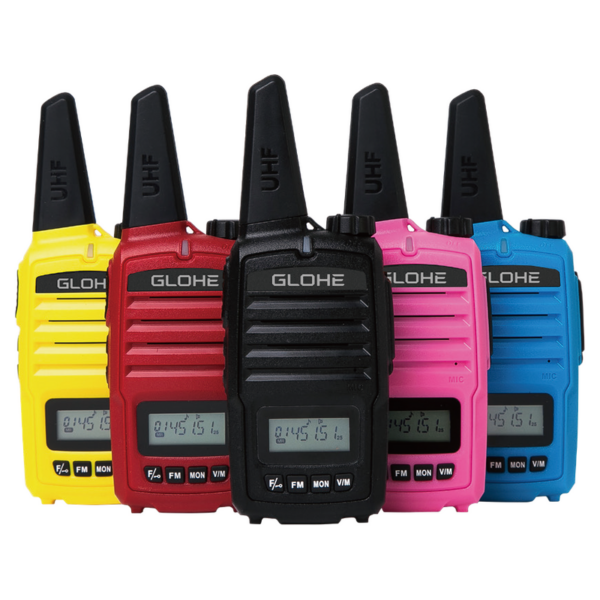
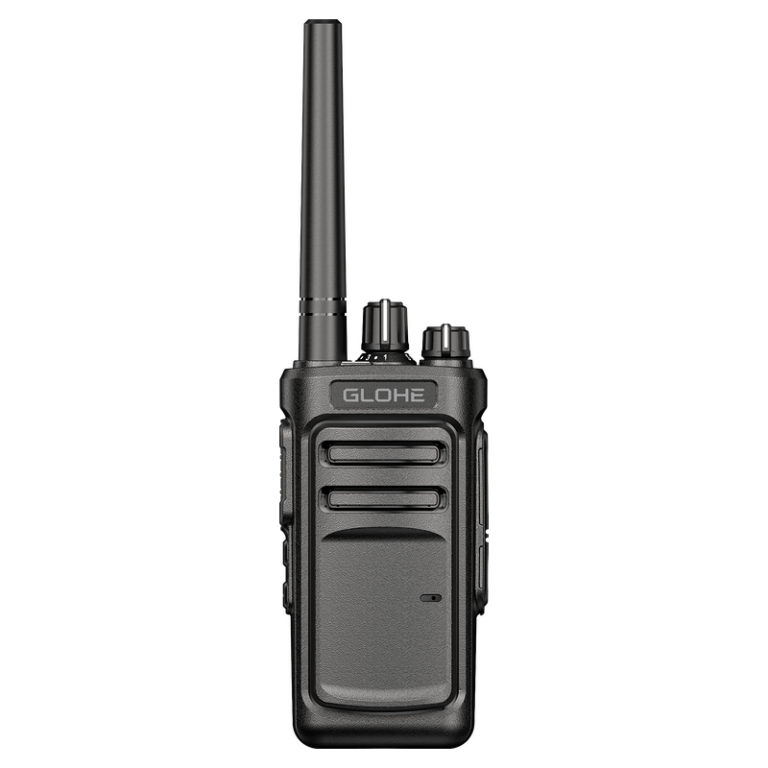
Use the framework: clarify needs, convert to measurable specs, demand verifiable evidence of experience and compliance, test supply-chain resilience, and run real-world acceptance tests. That sequence points you to a manufacturer who meets both technical and operational needs. When your project requires an integrated, dependable supplier, choose partners whose documentation and field track record align with those steps, like GLOHE.