
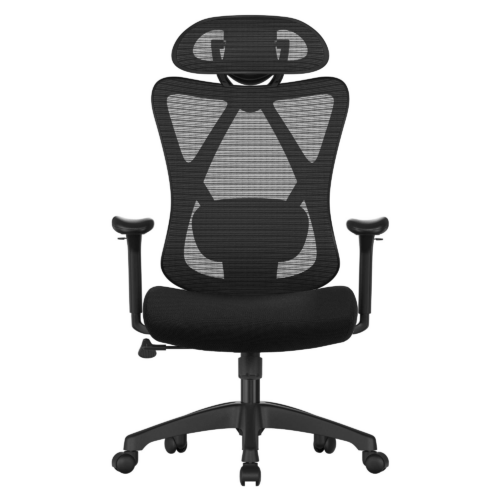
Introduction: A Veteran’s Take on Choosing Right
I once watched a whole team switch chairs and swear their backs felt better overnight—then the squeaks began. The office chair manufacturer had looked perfect on paper. Within three months, returns crept in, and the service line lit up. Studies suggest that seating drives a big share of workplace comfort and claims, yet most buyers still lean on glossy specs and a quick sit test. Here’s the quiet truth I’ve learned over time (years on the plant floor and in boardrooms): quality isn’t a promise; it’s a system. And the system shows in places most catalog pages don’t reach—weld consistency, gas-lift integrity, BIFMA load test data, and after-sales logistics. If a supplier’s supply chain is brittle, your staff will feel it in the arm wobble before you see it in a report. So, ask yourself: are you comparing brochures or comparing build reality?
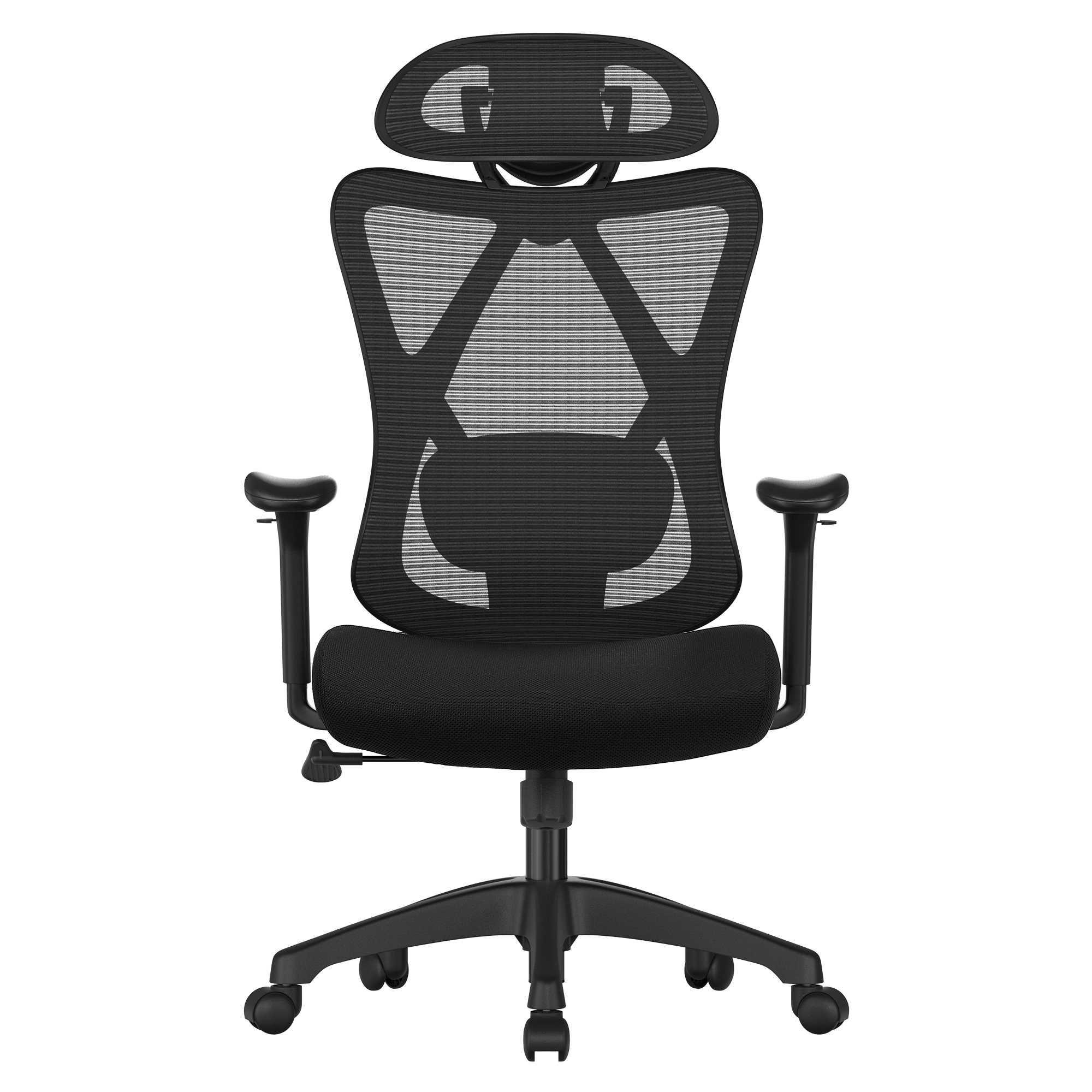
Let’s unpack the gaps that trip buyers up, then we’ll weigh what to look for next—beyond the showroom spin—to separate durable engineering from disposable comfort.
Part 2: Hidden Pain Points Buyers Rarely See
What are we missing?
Many buyers scan features and price, then stop. That’s the old way. The deeper check starts with process signals inside office chair manufacturing companies. Look for torque tolerance records on armrests and bases, not just a “sturdy” claim. Ask for mesh denier and abrasion data, not only “breathable mesh.” Request batch traceability on gas lift class 4 units and the cycle count they’ve cleared. If a supplier can’t show sampling plans, you may inherit noise, tilt drift, or T-nut spin-outs at scale—funny how that works, right? Look, it’s simpler than you think: a factory that runs FMEA on high-risk parts, uses calibrated torque drivers, and documents BIFMA outcomes will usually make chairs that behave the same on day 400 as on day 4. That’s the pain point: inconsistency.
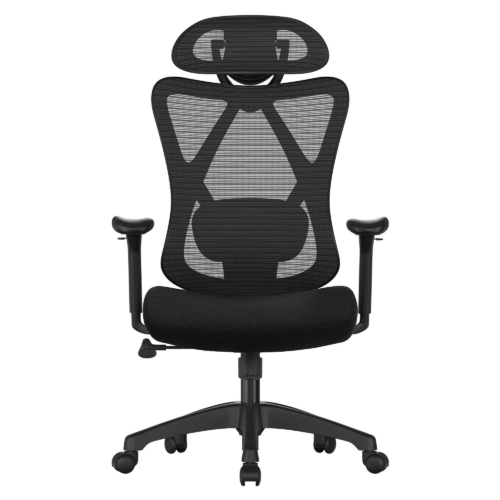
Another blind spot lives in materials and joins. Injection molding gates, powder coating thickness, and fastener selection decide whether your frames creak or keep quiet. Polymer creep in PP/PA blends can cause arm wobble if wall thickness or rib design is off. Weak welds, poor CNC bending alignment, or a loose tilt-lock cam can appear fine at delivery, then fail under real loads. Buyers often chase warranty years, but the warranty is only as good as the failure mode it covers. Ask about spare parts lead times, field-repair guides, and component interchangeability. When support arrives faster than a chair breaks, that is not luck; that is process control dressed as service.
Part 3: The Forward Look—Comparing by Principles, Not Promises
What’s Next
Here’s where the leaders pull away. The best office chair manufacturers are wiring new technology into old problems. Think digital twins for bases and backs, running FEA to predict stress zones before a tool is cut. Think edge computing nodes that read torque from drivers in real time, stopping the line when a bolt is under-torqued. Vision inspection now catches weld undercut or powder-coat pinholes that the human eye misses at speed. A simple Poka‑Yoke fixture on tilt units can lock out misassembly. This is not hype; it’s measurable. Defect-per-million rates drop. Rework time shrinks. Customer tickets fall off. And yet, the best tell is still how fast a factory can trace a gas lift lot to a finished SKU—because speed in traceability equals speed in recovery when the rare glitch lands.
Looking ahead, you’ll see cleaner materials and smarter loops. Recycled aluminum die-casting, low-VOC foams, and LCA reports are moving from “nice-to-have” to expected. IoT tags on batches feed back field data to design, so the next mold revision fixes that micro-crack near the arm boss. Service portals tie exploded views to spare part bins, so a tech can swap an arm cap in minutes, not weeks. The lesson from the earlier sections still stands but grows bolder: compare systems, not slogans—process signals beat pretty photos. To end on something practical, here are three metrics that separate strong partners from the rest: 1) Process capability on critical joints (documented torque windows, first-pass yield on tilt and base), 2) Traceability speed from serial to sub-supplier (minutes, not days), 3) Post-sale closure time with parts availability targets (and actuals). Get those in writing, and you’ll feel the difference every time someone sits down—quietly, reliably, day after day.
For a grounded view on how these practices show up across vendors and tiers, keep your questions sharp and your comparisons fair—experience pays off in chairs as much as in life. SONGMICS HOME B2B