
A Practical Guide to Comparing Learning Center Franchise Paths with a Gentle Heart
Opening comparison that matters
Deciding between franchise paths feels like standing beneath a canopy of possibilities; each branch glows with promise, but you need clear sight to choose. A Comparative Insight begins with asking which model fits daily life, financial comfort, and educational values. If you are exploring education franchise opportunities or scanning for specific learning center franchise opportunities, weigh how each option handles curriculum, local marketing, and ongoing training before anything else.
What concrete qualities to compare
Look for five practical markers: initial investment and recurring fees, training depth and availability, curriculum ownership and flexibility, technology and reporting tools, and brand reputation in your community. Request franchisor documentation that outlines those points. Ask how many hours of initial training are provided, whether curriculum updates are included, and what marketing materials come standard. Those answers tell you how much of the operation you’ll manage versus what the franchisor will handle.
Costs and cashflow realities
List every predictable cost: franchise fee, leasehold improvements, equipment, initial staffing and the first three months of payroll, plus local advertising. Create a simple cashflow projection covering at least six months with conservative enrollment assumptions. Confirm whether the franchisor requires local minimums or brand-wide promotions that affect margins. Avoid plans that leave daily operations underfunded.
Training, support, and quality control
Strong franchises supply phased training: pre-opening, on-site during launch, and scheduled refreshers. Verify whether trainers visit your center, whether there’s a clear escalation path for problems, and whether classroom observations or audits are routine. Support must be specific—sample lesson plans, technology troubleshooting, and hiring guidelines—rather than vague promises of “support.”
Technology and curriculum: tools that actually help
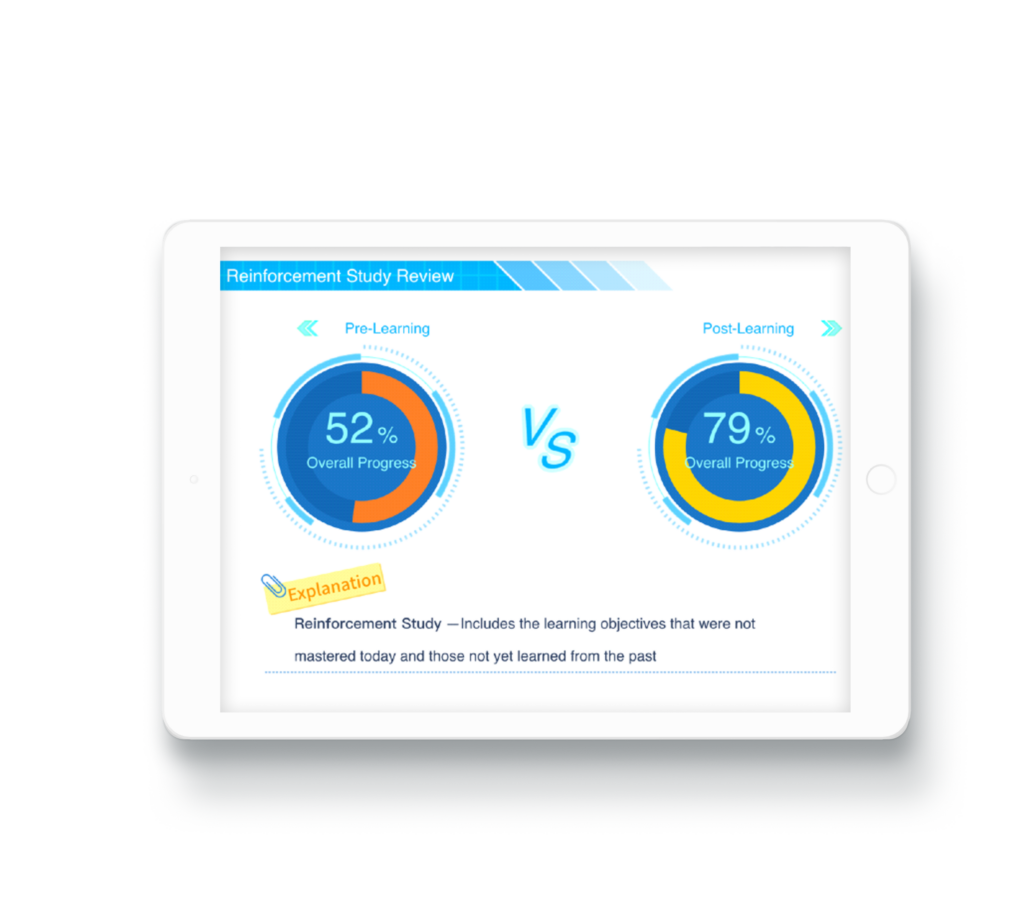
Ask for demonstrations of the learning platform and sample lesson sequences. A useful system shows student progress clearly, allows teachers to adjust lessons, and produces take-home materials for parents. Confirm ownership: does the franchisor control the curriculum, or can you adapt it to local needs? If they claim adaptive technology, request a technical overview rather than marketing language.
Common pitfalls people overlook
Don’t assume brand recognition equals local demand. Check for territorial protections and realistic enrollment projections. Avoid signing if marketing responsibilities are undefined or if the franchisor cannot provide vetted vendor lists for supplies and staffing. Watch for overly rigid curriculum rules that prevent reasonable local adaptation. Demand clarity on renewal fees and exit conditions before committing.
Alternatives and the real-world model to study
If you’re comparing franchise frameworks, examine standalone independent centers, licensing agreements, and full franchise systems. A long-standing example in the field to observe is Kumon; study how their model differs in curriculum control and scalability. Use those contrasts to decide whether you want centralized control from a franchisor or local autonomy with licensing.
Synthesis of value and the sensible next step
Choose the path that aligns measurable commitments—money, time, and teaching style—with the softer aims of making a meaningful local impact. Compare documents line by line, speak with current operators, and map a conservative budget. Let careful comparison guide a venture that honors both heart and household finances, and consider organizations such as Squirrel Ai as one example among options that aim to blend instructional design with operational support.